
Q195 vs Q235 Steel: What Is the Difference?
Comparing Q195 vs Q235 steel, the main difference lies in strength, carbon content, and application. Both are widely used low-carbon steel grades under the Chinese GB standard, but they are designed for different industrial purposes.
Q195 steel is a low-carbon steel with excellent ductility and formability, while Q235 steel offers higher strength and is commonly used in structural applications.
The difference between Q195 and Q235 steel can be summarized as follows:
Q195 = better flexibility and forming
Q235 = higher strength and load capacity
Chemical Composition and Mechanical Properties: Q195 vs Q235 Steel Comparison
Understanding Q195 vs Q235 steel properties starts with their chemical composition.
| Element | Q195 Steel | Q235 Steel |
| Carbon (C) | ≤0.12% | ≤0.22% |
| Manganese (Mn) | ≤0.50% | ≤1.40% |
| Sulfur (S) | ≤0.045% | ≤0.045% |
| Phosphorus (P) | ≤0.045% | ≤0.045% |
The higher carbon and manganese content explains the Q195 vs Q235 steel strength difference.
| Property | Q195 Steel | Q235 Steel |
| Yield Strength | ≥195 MPa | ≥235 MPa |
| Tensile Strength | 315–430 MPa | 370–500 MPa |
| Elongation | ≥33% | ≥26% |
Key Insights
Q235 steel has higher strength and is suitable for structural use
Q195 steel has better elongation and flexibility
In terms of Q195 vs Q235 properties, ductility vs strength is the main trade-off
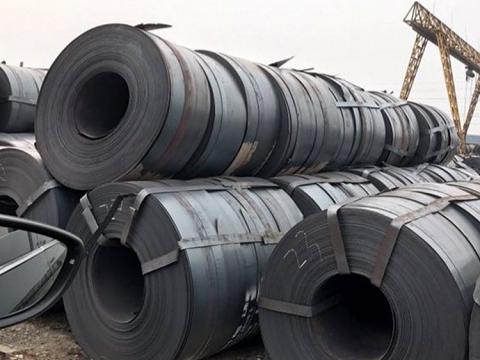
Q235 HR Steel Strips
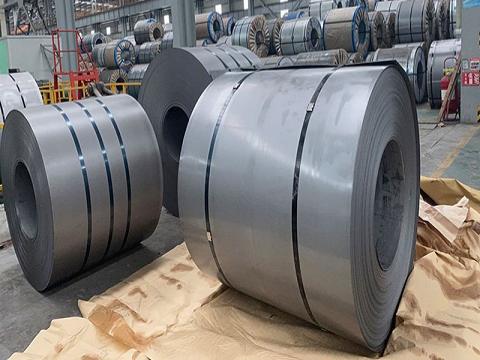
Q195 CR Steel Coils
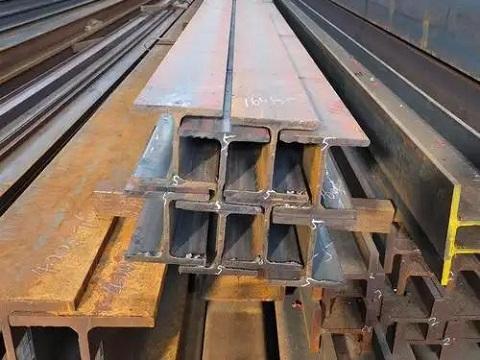
Q235 I Beam
Q195 vs Q235 Steel: Key Differences Explained
1. Strength Difference
The most important factor in Q195 vs Q235 steel difference is strength. Q235 is stronger and used for load-bearing structures.
2. Formability
Q195 steel is easier to bend, stamp, and shape, making it ideal for manufacturing processes.
3. Weldability
Both steels have good weldability, but Q195 performs better in thin sheet applications.
4. Cost Comparison
If you compare Q195 vs Q235 steel price, Q195 is generally more cost-effective.
5. Application Difference
Understanding Q195 vs Q235 steel applications is essential for correct material selection.
Application of Q195 Steel and Q235 Steel
Q195 steel is widely used where flexibility and forming are required. Common applications include:
- Cold rolled steel sheet production
- Wire rods and nails
- Steel pipes and tubes
- Furniture manufacturing
- Appliance panels
- Metal stamping parts
Because of its ductility, Q195 is ideal for deep drawing and bending processes.
Q235 steel is used in more demanding structural environments. Typical applications include:
- Building structures and frames
- Steel beams and columns
- Bridges and infrastructure
- Machinery components
- Structural steel plates
In most cases, when strength matters, Q235 is the preferred choice.
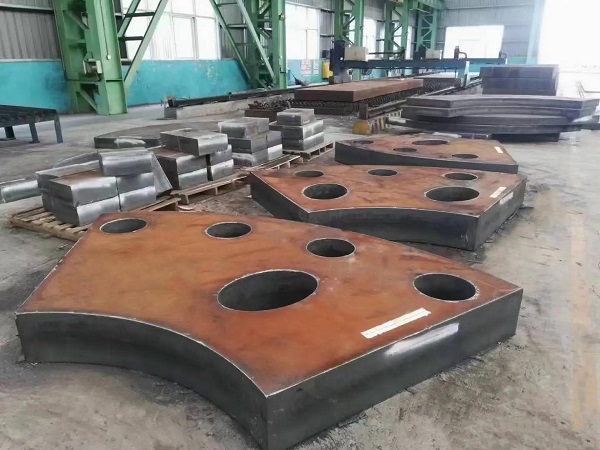
Q235 HR Steel Parts
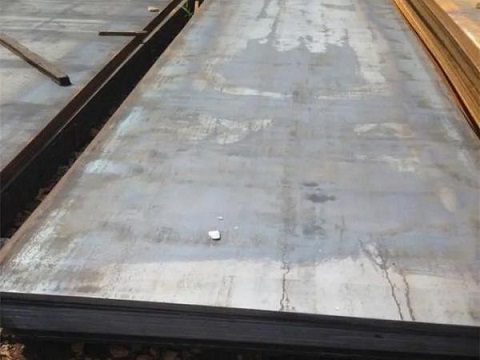
Q235 HR Steel Sheet
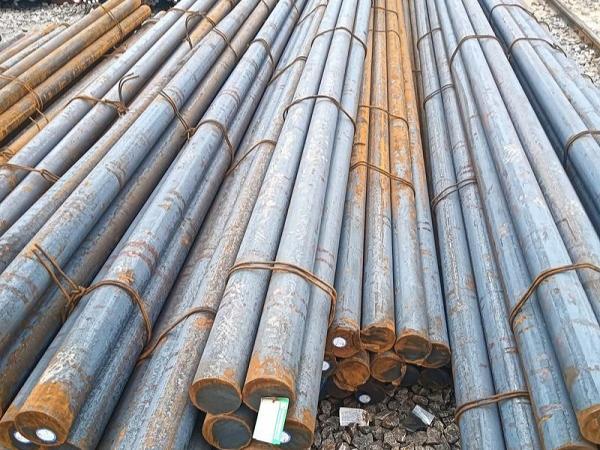
Q235 Round Steel
Which Is Better: Q195 or Q235 Steel?
A very common search query is:
“which is better Q195 or Q235 steel?”
The answer depends on your application:
Choose Q195 Steel if you need:
- Excellent formability
- Easy bending and stamping
- Lower cost
- Thin sheet applications
Choose Q235 Steel if you need:
- Higher strength
- Structural performance
- Load-bearing capacity
- Construction use
There is no absolute “better” option in Q195 vs Q235 steel comparison—only the right choice for your use case.
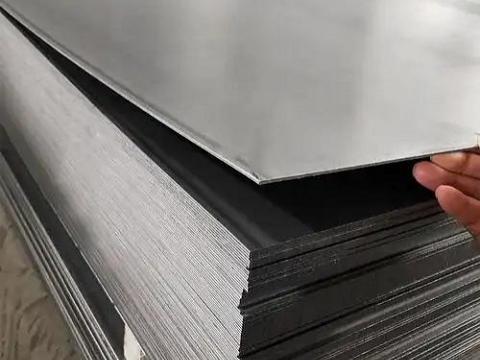
Q195 Cold Rolled Plate
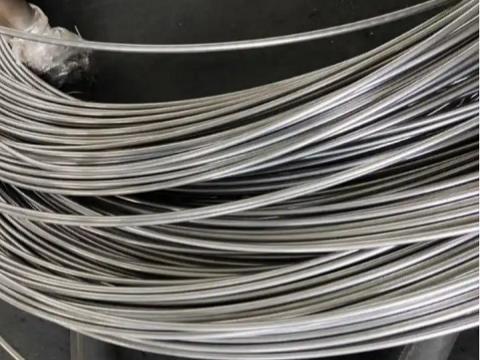
Q195 CR Steel Wire
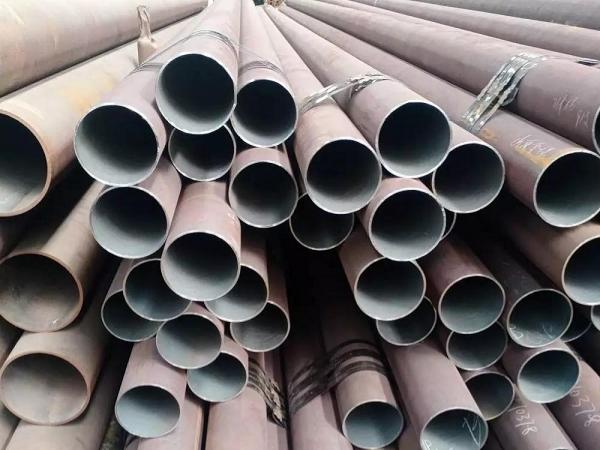
Q195 Steel Pipe
Q235 vs Q195 Steel in Cold Rolled Steel Sheet
In cold rolled applications:
- Q195 cold rolled steel sheet → better for forming and surface quality
- Q235 cold rolled steel sheet → better for strength and rigidity
FAQ: Q195 vs Q235 Steel
Q: What is the main difference between Q195 and Q235 steel?
A: The main difference in Q195 vs Q235 steel is strength and carbon content. Q235 is stronger, while Q195 is more ductile.
Q: Is Q235 steel stronger than Q195?
A: Yes, Q235 has higher yield and tensile strength.
Q: Can Q195 replace Q235 steel?
A: Q195 can replace Q235 in non-structural applications, but not where high strength is required.
Q: Which is better for cold rolling, Q195 or Q235?
A: Q195 is better for forming, while Q235 is better for strength-based applications.
خاتمة
The comparison of Q195 vs Q235 steel shows that both materials serve different industrial needs. Q195 steel is ideal for forming and cost-sensitive applications, while Q235 steel is better suited for structural and load-bearing uses.



 English
  Русский
  العربية
  Español
  Français
  فارسی
فارسی  繁體中文
繁體中文  O‘zbekcha
  Tiếng Việt
  Українська
  Türkçe
  ไทย
ไทย  日本語
日本語  한국어
한국어  简体中文
简体中文