
Product Overview
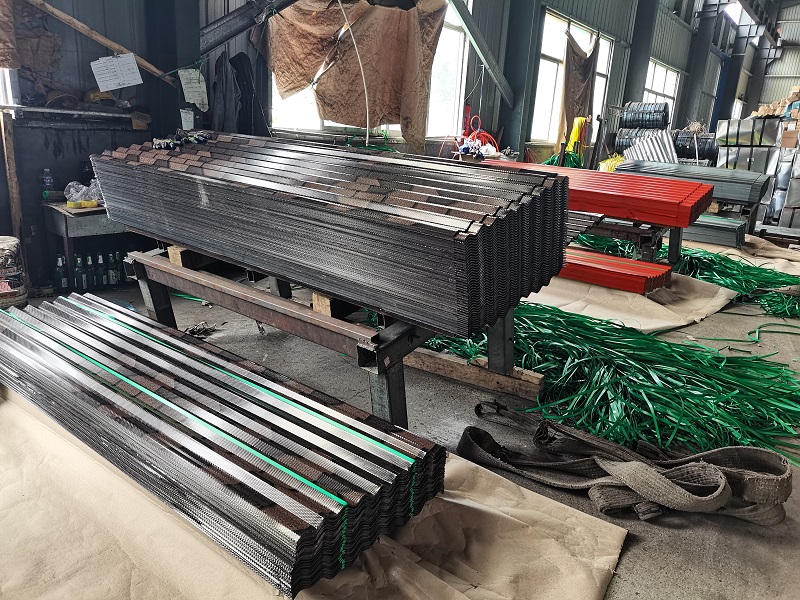
Tablero de acero corrugado Color Coated Roof Panel is a building panel made of color coated steel plate as the substrate, which is rolled to form ripples (such as wavy, trapezoidal, tile shaped). It combines lightweight, high strength, corrosion resistance, and decorative properties, and is an efficient enclosure material widely used in modern industrial and civil buildings.
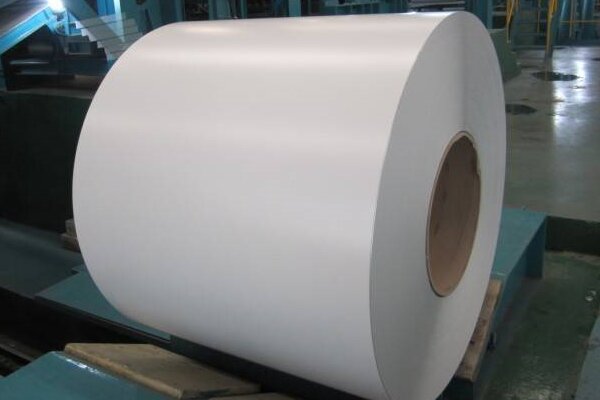
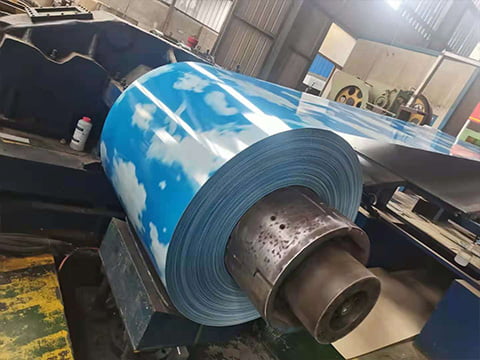
The core of this product lies in its composite structure of “steel substrate + coating (such as Galvanized, Galvalume) + colored organic coating”. It typically uses cold-rolled steel as the substrate, while the surface coating provides cathodic protection to effectively prevent the steel plate from rusting. The top colored coating not only endows the board with rich colors and aesthetics but also serves as an important defense against external erosion.
Parameters and specifications
Espesor
The common product thickness range is between 0.2mm and 1.2mm. Wanzhi can provide customization options for thinner (such as 0.12mm) or thicker (such as 2.0mm, 4.0mm). Requiring customization with high minimum order quantity.
Width and length
The standard width typically ranges from 600mm to 1250mm. We can customize the length to meet project requirements, ranging from less than 1 meter up to a maximum of 12 meters.
The commonly used topcoat coatings mainly include
Polyester (PE): High cost performance, good color and certain durability, suitable for general climate environments.
Silicon modified polyester (SMP): It has better weather resistance and durability than standard polyester, and is a common choice for projects with medium requirements.
High durability polyester (HDP)/polyvinylidene fluoride (PVDF): belongs to high-performance coatings. Especially PVDF coating has excellent UV resistance, chemical corrosion resistance, and self-cleaning performance, with color fidelity of up to 20 years; Making it very suitable for coastal areas, industrial areas, or high standard buildings.
Coating thickness
The thickness of the front coating is generally between 11-35 μ m, and the thickness of the back coating is 5-14 μ m.
Common steel panel types
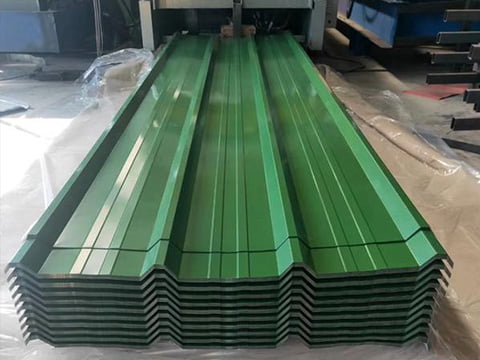
Wavy corrugated board: the most classic board type with a wide range of applications.
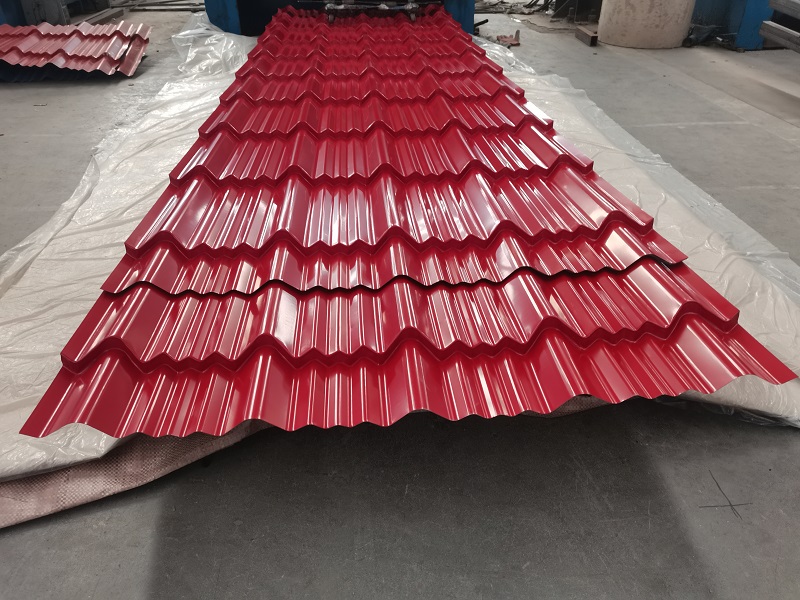
Trapezoidal corrugated board: With higher rib height and strong bearing capacity, it is suitable for large-span buildings (such as industrial plants) and has good sound insulation effect.
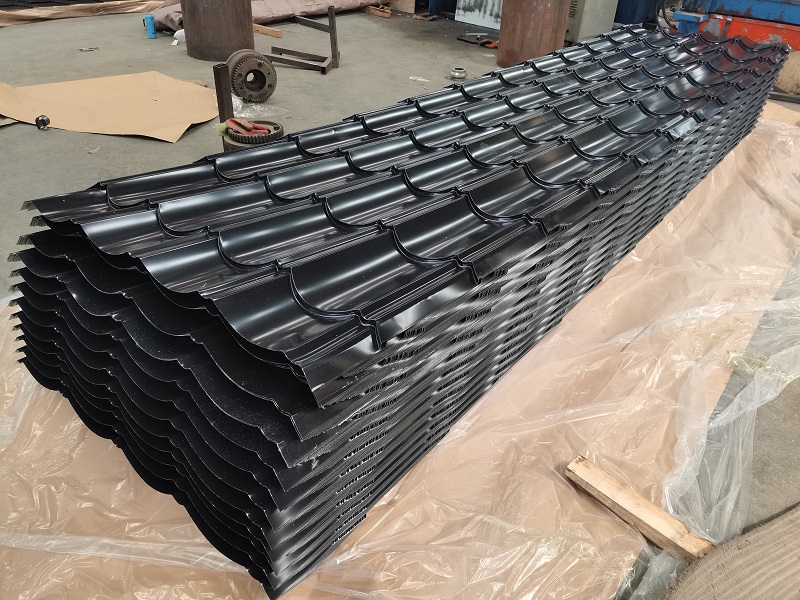
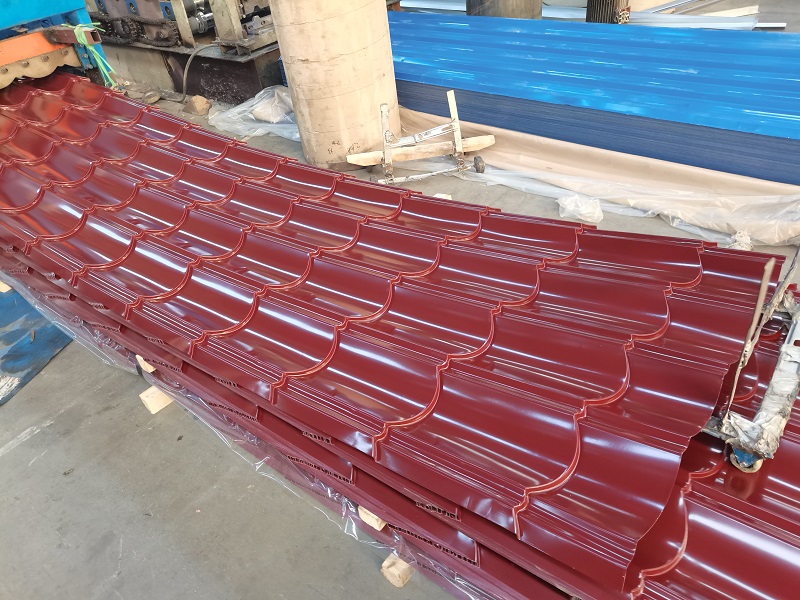
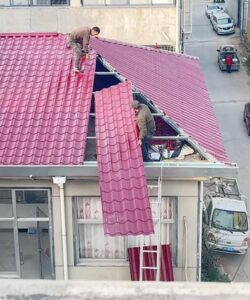
Tile shaped corrugated board: imitates the appearance of traditional ceramic tiles, combining classical aesthetics and modern material properties, commonly used in residential buildings, villas, and landscape architecture.
Curved corrugated board: used for curved or arched roof design to meet special architectural styling requirements.
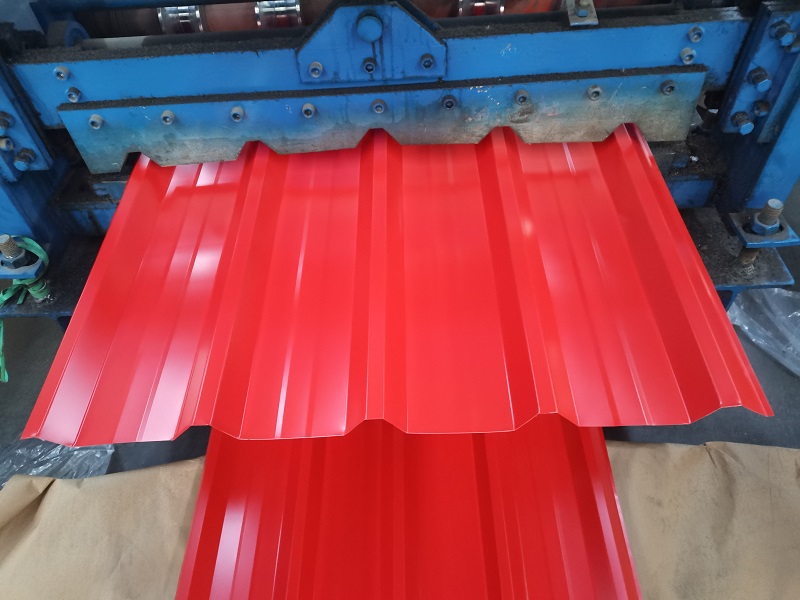
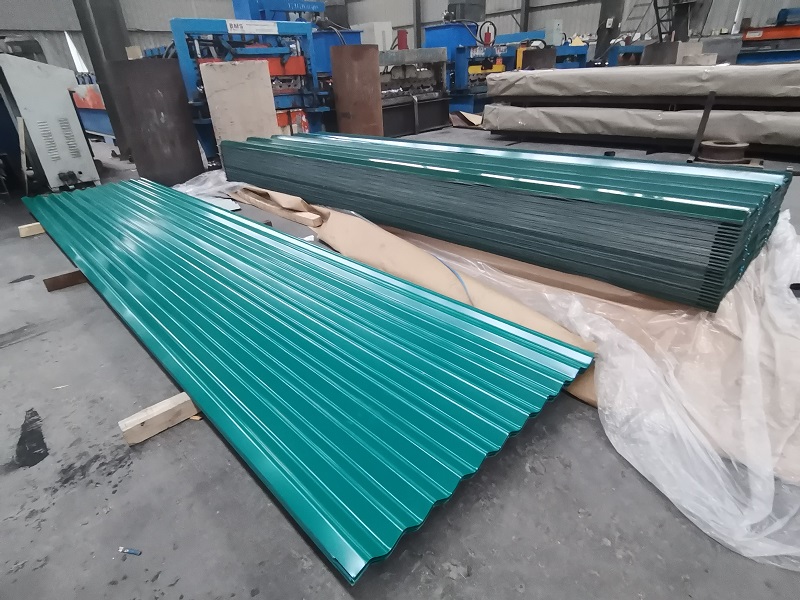
Corrugated Color Coated Roof Panel Application fields
Industrial buildings: roofs and walls of factories, warehouses, and workshops.
Agricultural buildings: livestock houses, greenhouses, grain warehouses, agricultural machinery warehouses, etc.
Commercial and public buildings: shopping malls, sports arenas, exhibition halls, schools, hospitals, etc.
Civil and ancillary facilities: residences, garages, garden sheds, temporary buildings, fences, etc.
Preguntas frecuentes
Q1: What are the main components of this board?
A: It is a composite material with a cold-rolled steel substrate as its core, coated with an anti-corrosion coating (most commonly aluminum zinc plating, also known as Galvalume) on the surface, and a colored organic coating (such as polyester PE, silicon modified polyester SMP, or high-performance PVDF) on the outermost layer.
Q2: Which coating type should I choose?
A: This depends on your budget and usage environment:
1. Polyester (PE): Economical, brightly colored, suitable for ordinary buildings in general climates.
2. Silicon modified polyester (SMP): It has better weather resistance and color durability than PE, making it suitable for projects with moderate requirements.
3. Polyvinylidene fluoride (PVDF): With top-notch performance, it has excellent UV resistance, chemical corrosion resistance, and self-cleaning properties. Its color fidelity can last for more than 20 years, and it is recommended for use in coastal areas, industrial zones, or high standard landmark buildings.
Q3: How to choose the thickness of the board?
A: Thickness directly affects strength and cost. The common range is 0.2mm to 1.2mm.
1. Lightweight structure/wall: optional range of 0.3mm-0.5mm.
2. Standard roof: 0.5mm-0.6mm is a common choice.
3. Heavy duty roofs/large spans/areas with heavy wind and snow loads: It is recommended to use a thickness of 0.7mm or more. You can consult the supplier and determine based on local building codes and load calculations.
Q4: What are the common ripple shapes? What’s the difference?
A: There are mainly three types:
1. Wave shaped: The most versatile, classic appearance, and good drainage.
2. Trapezoidal: With higher rib height and stronger structural load-bearing capacity, it is more suitable for large-span industrial plants and has better sound insulation effect.
3. Tile shape: imitates the appearance of traditional ceramic tiles, combining beauty and modern performance, commonly used in residential buildings, villas, etc.
Q5: Is it corrosion-resistant? Is it suitable for coastal areas?
A: Very corrosion-resistant. The aluminum zinc coating provides excellent cathodic protection. If used in high salt spray areas such as coastal areas, it is strongly recommended to use PVDF coated products, which have the strongest resistance to salt spray corrosion.
Q6: What is the fire resistance of the board?
A: The substrate is steel, which belongs to non combustible materials. But the organic coating on the surface may burn or decompose at high temperatures. Products usually have a certain fire rating.
Q7: How is its insulation and sound insulation effect?
A: The insulation and sound insulation performance of single-layer metal plates themselves is limited. In order to achieve good insulation and sound insulation effects, the “composite panel” scheme is usually adopted, which involves installing independent insulation layers (such as glass wool and rock wool) under the roof panel, or directly using “sandwich panels” that combine insulation core materials with color steel plates.
Q8: Can I customize colors and sizes?
A: It’s possible. Colors are usually selected based on internationally recognized RAL color cards or supplier color palettes. The size (especially length) can be customized and cut according to your building design to reduce on-site overlap, optimize waterproofing and aesthetic effects.
Resumen
Corrugated Color Coated Roof Panel has become the preferred solution for modern building roofs and walls due to its comprehensive advantages of lightweight, high strength, excellent weather resistance, aesthetic economy, and easy installation. Whether you are planning large industrial plants, agricultural facilities, or creating unique commercial or civilian projects, it can provide reliable, durable, and aesthetically pleasing protection.
Don’t let uncertainty delay your project progress. By choosing Wanzhi, you will not only receive high-quality products, but also a full process service from technical support to logistics support.
Contacto immediately to embark on your journey of efficient construction.
 English
  Русский
  العربية
  Español
  Français
  فارسی
فارسی  繁體中文
繁體中文  O‘zbekcha
  Tiếng Việt
  Українська
  Türkçe
  ไทย
ไทย  日本語
日本語  한국어
한국어  简体中文
简体中文