
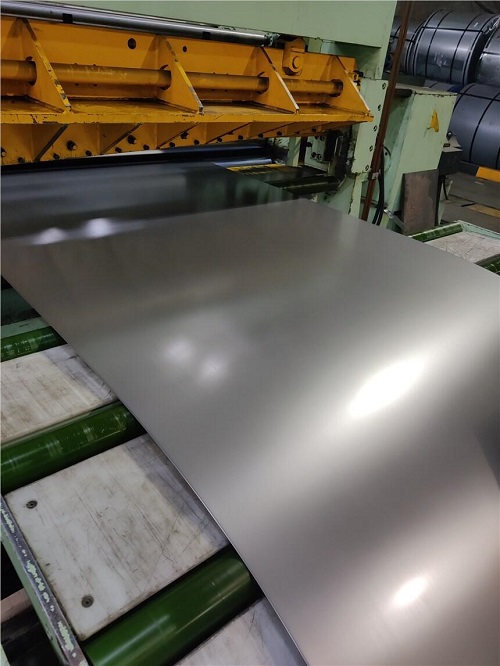
Electrical steel, also known as silicon steel sheet, is a soft magnetic alloy of silicon and iron with extremely low carbon content. The efficiency of the vast number of motors, transformers, and generators produced globally each year directly depends on the quality of electrical steel. Simply put, without electrical steel, there would be no modern power system. It is considered the “crown jewel” of the steel industry and an important benchmark for measuring a country’s level of special steel production.
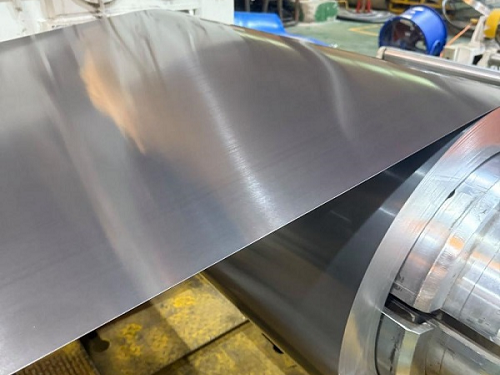
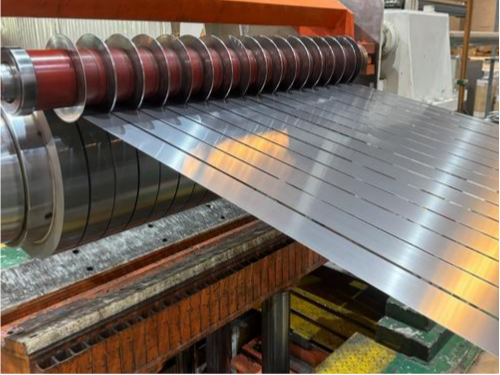
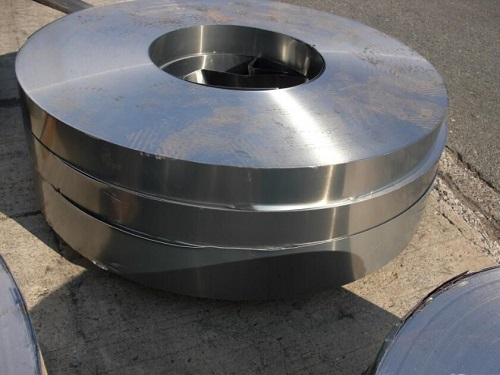
I. What is Electrical Steel?
The core function of electrical steel is to minimize energy loss during the conversion between electrical and mechanical energy. It needs to possess extremely high magnetic permeability during magnetization (allowing for the smooth passage of magnetic field lines) while maintaining extremely low energy dissipation, i.e., iron loss.
The silicon content of electrical steel typically ranges from 0.5% to 6.5%. The addition of silicon significantly improves the resistivity and magnetic properties of the steel. The core performance of electrical steel can be summarized in three dimensions:
1. Low Iron Loss: The lower the energy loss of the material, the more energy-efficient the equipment made from it. Top-grade electrical steel can achieve iron losses as low as 0.65 W/kg or even lower.
2. High Magnetic Induction: This refers to the strength of the material’s ability to conduct magnetic field lines, determining the amount of power that can be transmitted within a given volume.
3. Lamination Factor: After coating with an insulating layer, the effective volume of the steel sheets relative to the total volume of the iron core. A higher factor indicates better space utilization and is more conducive to the miniaturization of equipment.
The production of electrical steel is extremely difficult, involving more than 20 production processes and hundreds of process control points. Fluctuations in any one parameter may prevent the successful production of high-end electrical steel.
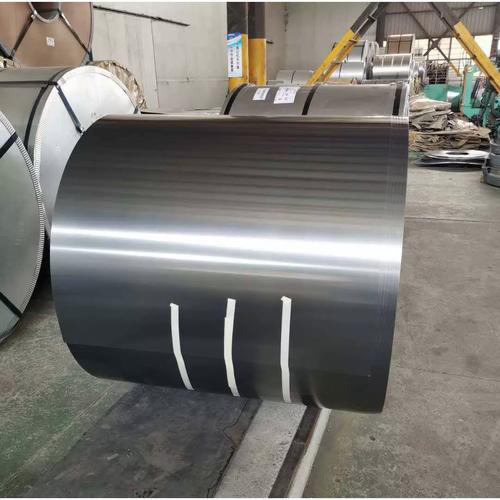
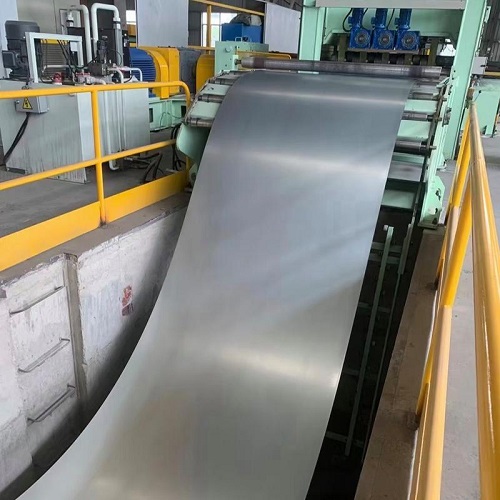
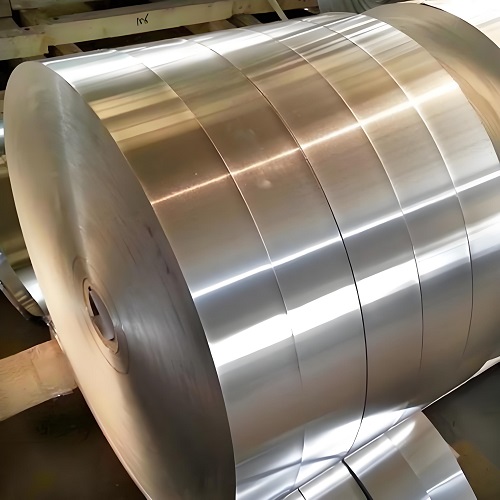
II. Categories of Electrical Steel: Grain-Oriented Steel and Non-Oriented Steel
Electrical steel can be divided into two main categories based on its internal grain arrangement, each serving different application scenarios.
1. Grain-Oriented Electrical Steel (GOES/CRGO)
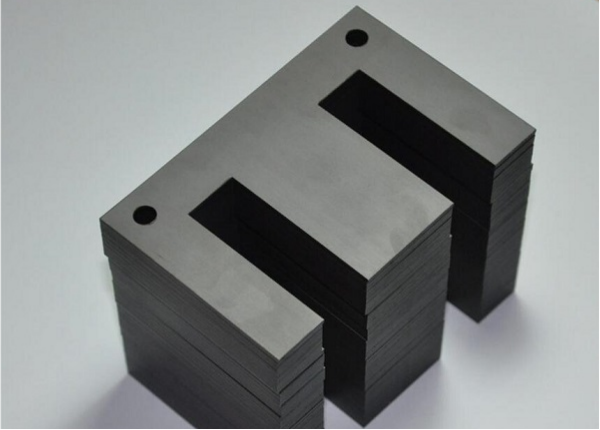
Grain-oriented electrical steels have highly uniformly aligned microcrystalline grains, focusing on the transmission of magnetic field lines along the rolling direction. This crystal texture results in extremely low iron loss and extremely high permeability in the rolling direction, making them ideal for use in stationary equipment where changes in the direction of magnetic field lines are undesirable.
Approximately 95% of grain-oriented electrical steels are used to manufacture the cores of various power transformers and distribution transformers, making them a core material for ultra-high voltage transmission networks. Grain-oriented electrical steels are further classified according to performance into common grain-oriented steel (CGO) and high-permeability grain-oriented steel (HiB), with the latter offering superior performance.
2. Non-grain-oriented electrical steels (NOES/CRNGO)
Non-oriented electrical steels have randomly distributed grains, exhibiting relatively balanced magnetic properties in all directions. This isotropy allows them to adapt well to the constantly changing magnetic field environment in rotating equipment.
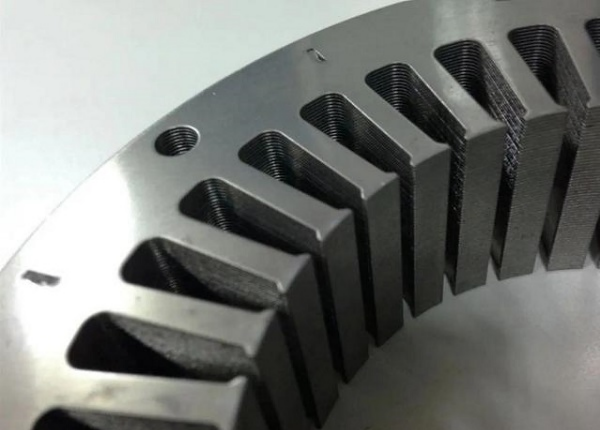
The core application of non-oriented electrical steels is in the stator and rotor cores of various motors and generators. With the explosive growth of the new energy vehicle industry, high-grade non-oriented electrical steel has become a core material for drive motors.
3. Key Parameter Comparison
| Comparison Dimensions | Grain-Oriented Electrical Steel | Non-Oriented Electrical Steel |
| Crystal Arrangement | Highly oriented grains with directionality | Randomly distributed grains, isotropic |
| Ventajas principales | Extremely low iron loss, extremely high magnetic permeability (along the rolling direction) | Uniform magnetic properties, good machinability |
| Main Applications | Transformers, reactors, instrument transformers | Motors, generators, compressors |
| Typical Thickness | 0.18 ~ 0.35mm | 0.35 ~ 0.65mm |
| AISI rating | M-2, M-3, M-4, M-6 | M-15, M-19, M-22, M-27, M-36, M-43, M-45, M-47 |
| Typical Iron Loss | P1.7/50 ≤ 0.65 ~ 1.30 W/kg | P1.5/50 ≤ 2.30 ~ 4.70 W/kg |
| High Grade Percentage | HiB steel percentage 77.1% (2025) | High grade percentage 33.8% (2025) |
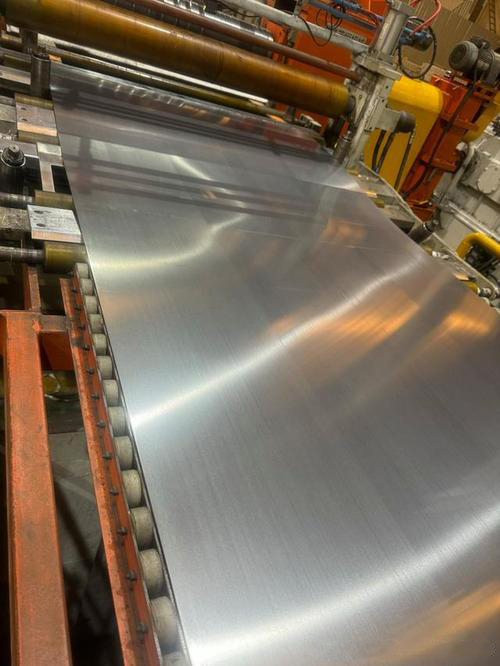
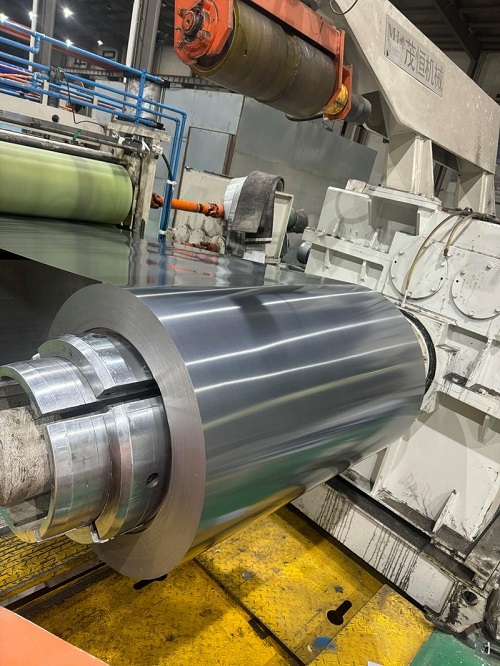
How to identify electrical steel by its grade?
For example, 23Q110 (23 indicates 0.23mm thickness, Q indicates oriented steel, and 110 indicates iron loss ≤ 1.10 W/kg) or 35W300 (35 indicates 0.35mm thickness, W indicates non-oriented steel, and 300 indicates iron loss ≤ 3.00 W/kg).
III. Key Magnetic Properties
Manufacturers design this specialty steel to optimize specific physical behaviors:
Low Core Loss (Iron Loss): The energy absorbed and dissipated as heat when the steel is repeatedly magnetized and demagnetized. Lower core loss translates directly to higher operational efficiency.
High Permeability: The ability of the material to become highly magnetized with minimal applied electrical current.
High Electrical Resistivity: The silicon additive increases electrical resistance, which restricts eddy currents (unwanted circular electrical currents inside the core) and further minimizes energy loss.
IV. Main Application Areas of Electrical Steel
Electrical steel applications span the entire power supply chain, from power generation to consumption:
Power Industry – The Main Battleground for Grain-Oriented Electrical Steel
Power transformers and distribution transformers are the largest application areas for grain-oriented electrical steel, accounting for approximately 88% of its total usage. The construction of every ultra-high voltage (UHV) transmission line requires a large amount of high-magnetic-induction grain-oriented steel as the “heart material” of the transformer.
New Energy Vehicles – The Fastest Growing Sector
Drive motors for new energy vehicles represent the largest incremental market for high-grade non-grain-oriented electrical steel. Shougang’s newly developed 0.1 mm ultra-thin electrical steel reduces iron loss by over 30% compared to conventional products, significantly improving the driving range of new energy vehicles.
Industrial Motors and Home Appliances – The Battleground for Upgrading Existing Stocks
Industrial variable frequency motors and servo motors, as well as compressors in household air conditioners and refrigerators, all rely on high-grade non-grain-oriented electrical steel to improve energy efficiency. With the widespread adoption of high-efficiency energy-saving motors, the demand for electrical steel in this sector will continue to upgrade.
Emerging High-End Sectors – Future Growth Drivers
Emerging industries such as robotics, drones, and AI computing equipment are becoming new blue oceans for demand for electrical steel. The demand for ultra-thin electrical steel (0.20mm and below) is surging for the joint servo motors of humanoid robots, while the high-efficiency transformers in AI computing centers are increasing the use of oriented steel.
In summary
Although electrical steel is an intermediate and basic material, it directly determines the energy efficiency levels of countless devices, from giant power plants to home appliances, from power transmission and distribution networks to new energy vehicles. As the world moves towards electrification, intelligentization, and decarbonization, the strategic value of electrical steel will continue to increase. For industry practitioners, investors, and product developers, paying attention to the development trends of electrical steel is equivalent to paying attention to the evolution of modern energy economy and high-end manufacturing.
 English
  Русский
  العربية
  Español
  Français
  فارسی
فارسی  繁體中文
繁體中文  O‘zbekcha
  Tiếng Việt
  Українська
  Türkçe
  ไทย
ไทย  日本語
日本語  한국어
한국어  简体中文
简体中文