316 stainless Steel

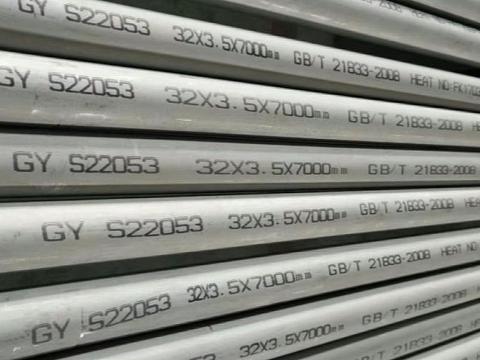
S22053 duplex stainless steel pipe

Duplex vs 316 stainless steel: How to choose materials?

When choosing stainless steel materials in industrial, marine, or structural engineering projects, duplex stainless steel and 316 stainless steel are the two most commonly compared materials. They all have excellent corrosion resistance, but there are significant differences in strength, cost, and performance in harsh environments. This article will provide a detailed analysis of the differences between duplex stainless steel and 316 stainless steel to help you choose the appropriate material. Duplex vs 316 stainless steel Definition and Characteristics Definition and Characteristics of 316 stainless steel 316 stainless steel belongs to austenitic stainless steel and contains molybdenum (Mo) element, so its corrosion resistance in chlorine containing environments is better than that […]

Duplex vs 316 stainless steel: How to choose materials? 続きを読む »
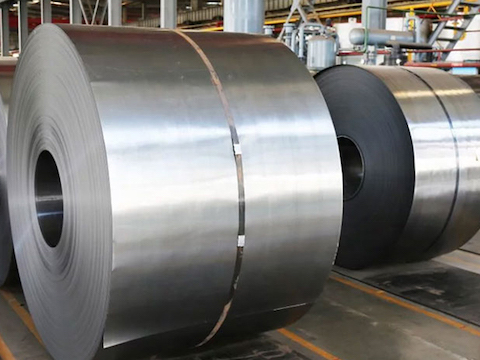
18-0 stainless steel coil 430 ss steel No.4 Finish

Analysis of Common Problems for Stainless Steel

Analysis of Common Problems for Stainless Steel CATALOG Definition of Stainless Steel Stainless steel, also known as stainless acid-resistant steel, water-copper iron, and in Taiwanese, white iron, is a high-chromium alloy steel that remains passive, corrosion-resistant, and rust-proof in the atmosphere and in corrosive media such as acids, alkalis, and salts. It typically contains other elements such as nickel, molybdenum, vanadium, manganese, and tungsten. Chromium is the most important metallic element in determining stainless steel’s rust resistance. It achieves its “rustproof” properties by forming a dense passive film of chromium oxide (Cr₂O₃) on its surface, which isolates it from corrosive media. This passive film is self-repairing if damaged, but chloride

Analysis of Common Problems for Stainless Steel 続きを読む »

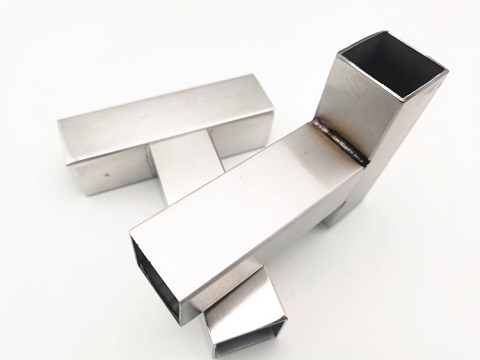
Stainless steel square steel welding is prone to rust spots

Will stainless steel rust?

Stainless steel is widely praised for its durability and reputation as “stainless”, but many people still wonder: will stainless steel rust? The answer is under certain conditions. While stainless steel is highly resistant to corrosion, it is not completely immune. Why is stainless steel (mostly) rust-resistant? Stainless steel contains at least 10.5% chromium, which reacts with oxygen to form a thin, invisible, passive layer of chromium oxide on its surface. This chromium oxide layer acts as a barrier, blocking moisture and oxygen from reaching the underlying steel. When the steel is scratched, this chromium oxide layer will usually repair itself in an oxygen-rich environment, keeping the metal protected.However, this passive

Will stainless steel rust? 続きを読む »

304 vs 316 Stainless Steel: Comprehensive Comparison of Key Differences

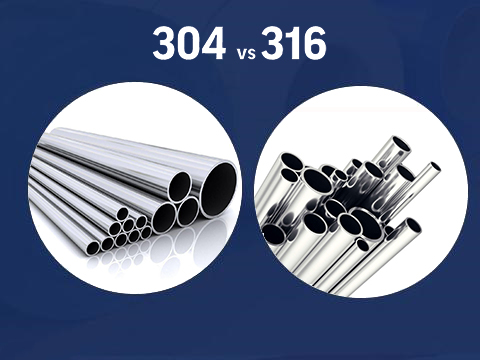
304 vs 316 stainless steel Differences

This article explores the key differences between 304 vs 316 stainless steel to help engineers, purchasers, and consumers make an informed choice. Stainless steel is a cornerstone material of modern manufacturing, with 304 and 316 stainless steel dominating industrial applications. While both are austenitic stainless steels with similar properties, their differences in chemical composition, performance, and cost make them suitable for different uses. 1、Chemical Composition Differences The main difference lies in their alloying elements: 304 stainless steel: Contains 18% chromium and 8% nickel (18/8 grade) and no molybdenum. This composition provides strong corrosion resistance in mild environments. 316 stainless steel: Adds 2-3% molybdenum to enhance resistance to chloride-induced corrosion (such

304 vs 316 stainless steel Differences 続きを読む »

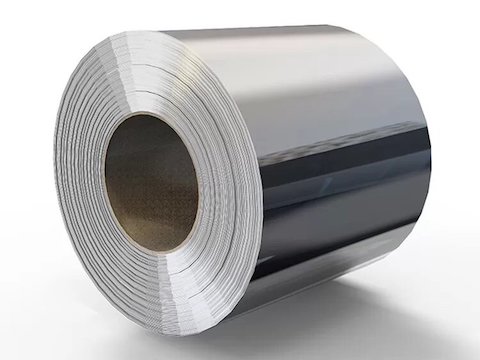
2b brushed hairline stainless steel coils 201 202 410 430

316 Stainless Steel

Home » Stainless Steel » 316 Stainless Steel 316 Stainless Steel Width: 600-1250mm or customizable Thickness:  0.13-4.0mm Design Style:  Customizable Product Introduce Offering top-notch corrosion resistance and strength, 316 stainless steel is an austenitic stainless steel that is a mixture of chromium, nickel, and molybdenum. As the second most popular stainless steel (after 304 stainless steel), 316 is a favorite of many Wanzhi customers who use it to make a variety of custom components and products. It is used in shipbuilding, chemical plants, medical device manufacturing, and the food industry, among others. Chemical Composition 316 stainless steel (also known as SAE 316 stainless steel) has some special ingredients that make

316 Stainless Steel 続きを読む »