stainless steel

18-8 Stainless Steel (AISI 304)-SUS304-Food Grade Stainless Steel

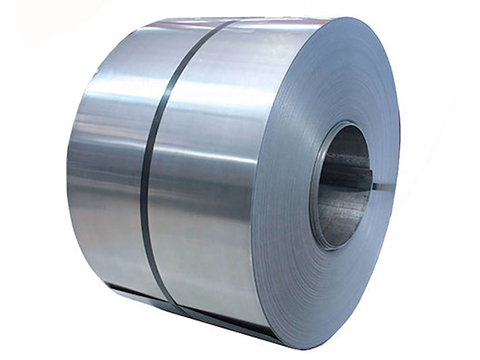
18/8 Stainless Steel Coil

18/8 Stainless Steel Width: 600-1250mm or customizable Thickness:  0.13-4.0mm Alias: AISI 304 / SUS304 Product Introduce 18/8 stainless steel, 18/8 refers to 18% chromium (Cr) and 8% nickel (Ni), is a food-grade material widely used in cookware, tableware and various kitchen appliances. It has a golden ratio of 18% chromium to 8% nickel, which creates the extraordinary comprehensive properties of 18/8 stainless steel. Chromium forms a protective oxide layer to prevent rust and corrosion, while nickel enhances the strength and durability of the steel. The most widely known and applied standard grade of 18/8 stainless steel is AISI 304 (American standard) or SUS 304 (Japanese standard). In China, the corresponding

18/8 Stainless Steel Coil 続きを読む »
188 1810 and 180 Stainless Steel differences advantages and disadvantages

Comparing 18/8 18/10 & 18/0 Stainless Steels

When you buy stainless steel cutlery or pots in the supermarket, you may have seen three different steel labels: 18/8 18/10 & 18/0 stainless steel. It is normal that these numbers are difficult for ordinary people to distinguish the difference, so what makes one stainless steel different from another? Which stainless steel is the best to choose? To quickly understand the differences between the three grades, here is a summary of the chemical composition, advantages and disadvantages of each stainless steel grade. 18/8 18/10 & 18/0 Stainless Steels Comparison Type Composition Pros Cons 18/10 Stainless steel Chromium-18% Nickel-10% Strongest commonlyused grade of stainlesssteel Highly anti-corrosive Resistant to piting Vuinerable tosaltwater

Comparing 18/8 18/10 & 18/0 Stainless Steels 続きを読む »

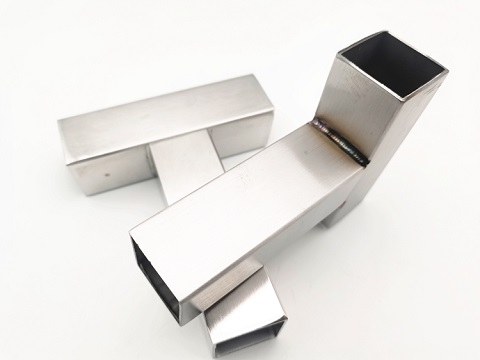
Stainless steel square steel welding is prone to rust spots

Will stainless steel rust?

Stainless steel is widely praised for its durability and reputation as “stainless”, but many people still wonder: will stainless steel rust? The answer is under certain conditions. While stainless steel is highly resistant to corrosion, it is not completely immune. Why is stainless steel (mostly) rust-resistant? Stainless steel contains at least 10.5% chromium, which reacts with oxygen to form a thin, invisible, passive layer of chromium oxide on its surface. This chromium oxide layer acts as a barrier, blocking moisture and oxygen from reaching the underlying steel. When the steel is scratched, this chromium oxide layer will usually repair itself in an oxygen-rich environment, keeping the metal protected.However, this passive

Will stainless steel rust? 続きを読む »

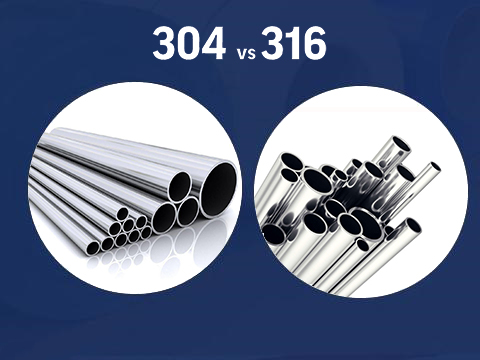
304 vs 316 Stainless Steel: Comprehensive Comparison of Key Differences

304 vs 316 stainless steel differences

This article explores the key differences between 304 vs 316 stainless steel to help engineers, purchasers, and consumers make an informed choice. Stainless steel is a cornerstone material of modern manufacturing, with 304 and 316 stainless steel dominating industrial applications. While both are austenitic stainless steels with similar properties, their differences in chemical composition, performance, and cost make them suitable for different uses. 1、Chemical Composition Differences The main difference lies in their alloying elements: 304 stainless steel: Contains 18% chromium and 8% nickel (18/8 grade) and no molybdenum. This composition provides strong corrosion resistance in mild environments. 316 stainless steel: Adds 2-3% molybdenum to enhance resistance to chloride-induced corrosion (such

304 vs 316 stainless steel differences 続きを読む »

can stainless steel rust-how to clean stainless steel

How to Remove Rust from Stainless Steel

Remove rust has always been a topic that cannot be separated from steel products. As stainless steel is known for its rust-free properties, will it rust? Although stainless steel is known for its durability and smooth appearance, even this corrosion-resistant material will rust when it comes into contact with moisture, salt or pollutants. Fortunately, rust can be removed from the surface of stainless steel using some common items or special products. Below, we outline proven methods to restore your stainless steel surfaces and prevent future rusting. 1、Basic Cleaning and Gentle Remove Rust Methods Use gentle methods first to avoid damaging the protective chromium oxide layer on the stainless steel surface.

How to Remove Rust from Stainless Steel 続きを読む »

ASTM A240-A240M-304, 201, 316 SS Steel

ASTM A240 Certified Stainless Steel Sheet

ASTM A240 Stainless Steel Sheet Width: 600-1250mm or customizable Thickness:  0.1-4.5 mm Surface: NO.1, NO.2D, NO.2B, NO.3, NO.4 Product Introduce ASTM certification requires suppliers to pass spectral analysis, tensile testing, hardness testing and other testing methods, and follow quality management systems such as ISO 9001. ASTM A240 certified stainless steel plates are core materials in the fields of pressure vessels, building structures and high-end equipment. This standard, developed by the American Society for Testing and Materials, regulates the chemical composition, mechanical properties and production process of stainless steel plates to ensure their reliability in extreme environments. Standard range ASTM A240/A240M is applicable to chromium, chromium-nickel and chromium-manganese-nickel stainless steel plates,

ASTM A240 Certified Stainless Steel Sheet 続きを読む »

SAE 316L stainless steel plate texture background

SAE 316l stainless steel

SAE 316l stainless steel Width: 600-1250mm or customizable Thickness:  0.1-4.5 mm Surface: NO.1, NO.2D, NO.2B, NO.3, NO.4 Product Introduce SAE 316L Stainless Steel (UNS S31603) is a low-carbon molybdenum containing austenitic stainless steel widely used in chemical, marine engineering, medical equipment and other fields due to its excellent corrosion resistance, high temperature performance and processing adaptability. The “L” in 316L stainless steel represents “low”, indicating that the carbon content of the alloy is very low. Compared to 316, 316L also has stronger resistance to welding corrosion and can withstand higher temperatures. Therefore, 316L is often used in marine and construction projects. Product Parameters Item Parameter Products name 316L Stainless Steel

SAE 316l stainless steel 続きを読む »

Difference-Between-Carbon-Steel-And-Stainless-Steel-wanzhi

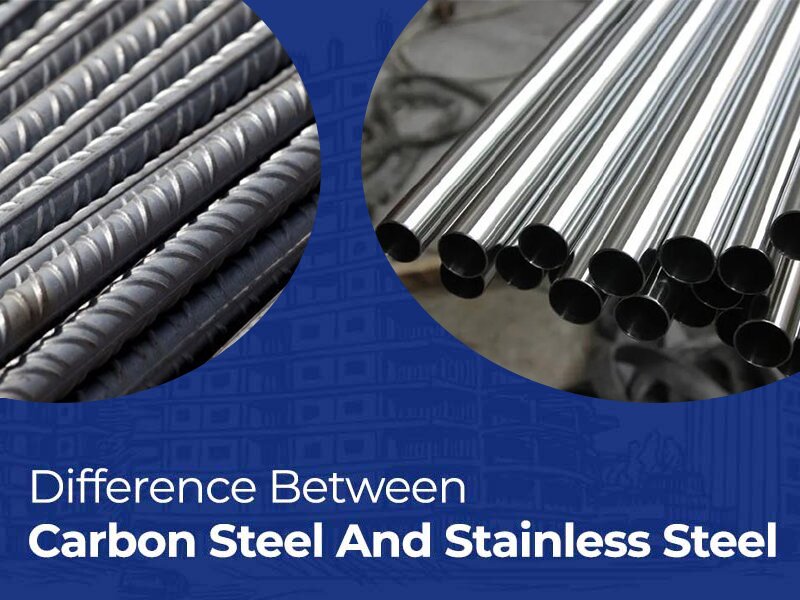
Carbon Steel and Stainless Steel

Carbon steel and stainless steel each have their own strengths. Carbon steel, also known as carbon steel, typically has a carbon content range of 0.0218% to 2.11% (mass fraction). When the carbon content exceeds 2.11%, it is generally referred to as cast iron. Stainless steel belongs to alloy steel, and its core alloying element is chromium (Cr, usually ≥ 10.5%). The carbon content of stainless steel ranges from 0.03% to 0.15% (mass fraction), and some ultra-low carbon stainless steels (such as 304L and 316L) even have a carbon content of ≤ 0.03%. Stainless steel, also known as “inox steel” (French “inoxydab” means “non oxidizable”), truly lives up to its name

Carbon Steel and Stainless Steel 続きを読む »

stainless-steel-coils-Thickness of 14g Stainless Steel

Thickness of 14g Stainless Steel

14g Stainless Steel Width: 600-1250mm or customizable Thickness:  0.1-4.5 mm Surface: NO.1, NO.2D, NO.2B, NO.3, NO.4, etc. Product Introduce Specification is a widely used system for measuring the thickness of metal plates, which is essential in manufacturing, processing, and construction. The specification number corresponds to the thickness of the board and affects its strength. Fourteen-gauge (14-ga) stainless steel is a heavy-duty, which measures approximately 0.0781 inches (1.98 mm) in thickness. It is highly prized for its durability, structural strength, and dent resistance in demanding applications like custom commercial kitchen countertops, heavy-duty enclosures, and structural fabrications. Common Grades Available 14 gauge stainless steel sheets are available in multiple grades to suit

Thickness of 14g Stainless Steel 続きを読む »

Cold rolled stainless steel, 304 stainless steel, 2205 stainless steel

Cold Rolled Stainless Steel Sheet

Cold Rolled Stainless Steel Sheet Width: 600-1250mm or customizable Length: 1-12 m Thickness:  0.1-6.0 mm Product Introduce Cold rolled stainless steel is a steel plate produced by further thinning No.1 stainless steel plate to the desired thickness at room temperature. Compared with hot-rolled steel plates, cold-rolled steel plates have more precise thickness, smooth and beautiful surface, and various superior mechanical properties, especially in terms of processing performance. Main Features Surface effect: After cold rolling, special textures can be formed through processes such as acid washing and polishing to enhance aesthetics and durability. Strength and flatness: The cold rolling process significantly improves the strength and flatness of the sheet, making it

Cold Rolled Stainless Steel Sheet 続きを読む »

18 10 stainless-steel-coils

18/10 Stainless Steel

18/10 Stainless Steel Width: 600-1250mm or customizable Thickness:  0.13-4.0mm Design Style:  Customizable Product Introduce 18/10 stainless steel, also known as 304 stainless steel, is known for its solid form and shiny polished appearance. The term “18/10” in stainless steel refers to its composition of 18% chromium and 10% nickel. The chromium provides corrosion resistance, while the nickel adds strength and toughness. Produced by hot rolling, this high-quality stainless steel is durable, non-reactive, and easy to clean. It is used in kitchenware, tableware, medical devices, industrial applications, construction, and jewelry. Ideal for high-quality cookware, tableware and medical instruments, ensuring long-lasting performance and a sleek appearance. Product Parameters Item Parameter Products name

18/10 Stainless Steel 続きを読む »

Stainless steel sheet - 304 316L

304 Stainless Steel Sheet

304 Stainless Steel Sheet Width: 600-1250mm or customizable Length: 1-12 m Thickness:  0.3-3.0mm Design Style:  Customizable What Is 304 Stainless Steel Sheet? 304 stainless steel sheet is a flat-rolled product under 3 mm thick, made from the 18/8 austenitic grade that carries about 18 percent chromium and 8 percent nickel. It is the most widely used stainless sheet in the world, and for good reason: it resists rust, forms easily, polishes to a clean finish and costs far less than the molybdenum grades. When a buyer says “stainless steel” without naming a grade, they usually mean 304. The sheet sits at the thin end of flat-rolled stainless. In ASTM terms,

304 Stainless Steel Sheet 続きを読む »