
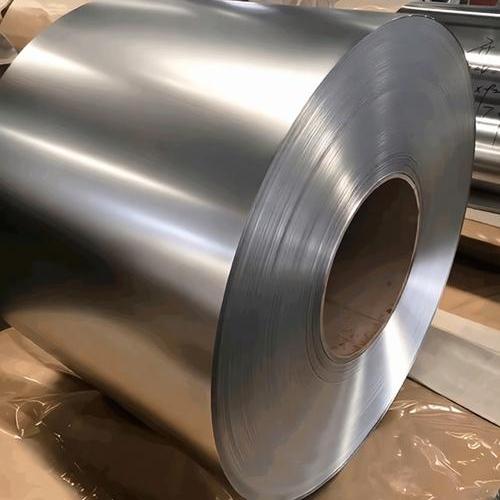
Tin free steel
Width: 600 – 1050mm or customizable
Thickness: 0.18 – 0.55mm
Coating: 50 – 150mg/m²
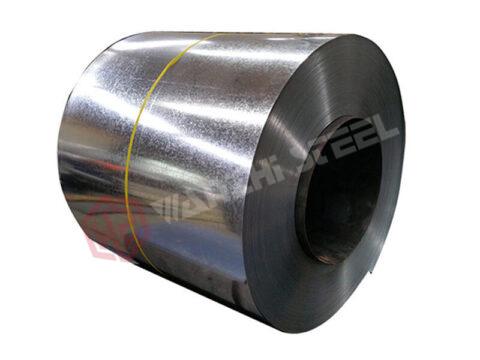
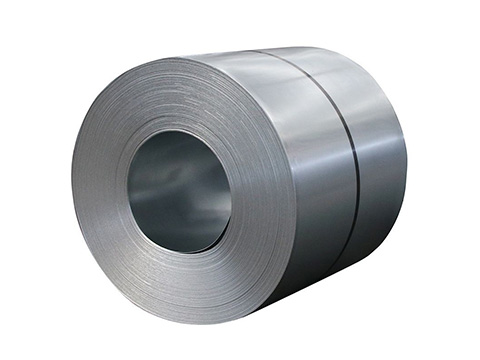
Tin free steel turns up on quotations as TFS, ECCS, chrome plated steel or tin-free sheet. Factories stamping can ends, crown caps, paint cans and aerosol domes buy most of it, while builders meet the material only as a factory-finished decorative skin. Wanzhi Steel has shipped this product for years, and chrome plate coil is the page that describes the coating.
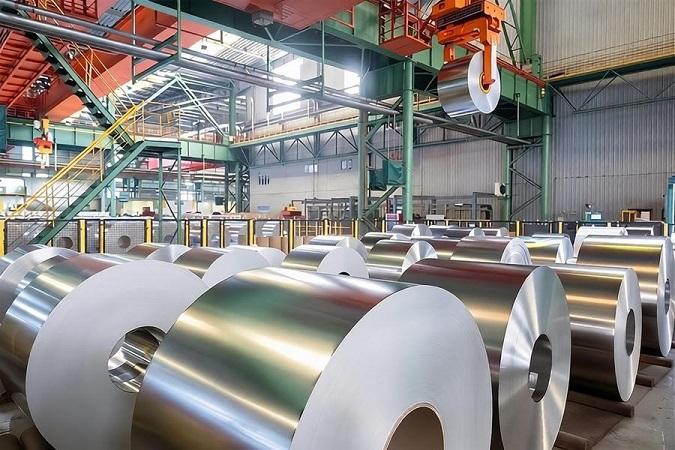
What tin free steel is
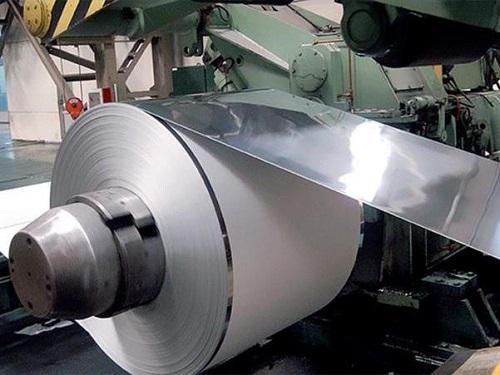
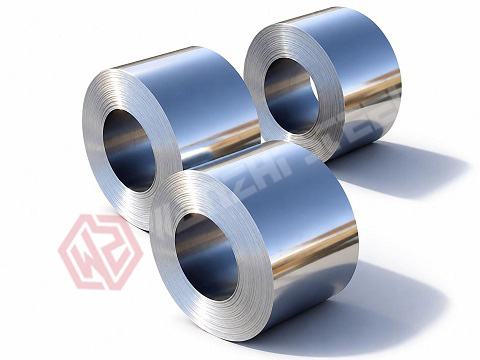
Tin free steel is cold rolled low carbon steel with no tin on it. Electrolytic chromic acid treatment deposits metallic chromium and a hydrated chromium oxide on both faces, then a thin oil film goes on top. Wanzhi’s chrome plate coil page describes the same four layers, from the steel substrate through metallic chromium and hydrated chromium oxide to the oil film on top. Baidu Baike’s entry on tin free steel puts metallic chromium at 50 to 100 mg/m2 and the hydrated oxide at 5 to 20 mg/m2, with 2 to 5 mg/m2 of oil.
the four layer coating
Metallic chromium supplies adhesion and sulfide resistance. Hydrated chromium oxide gives lacquer and ink something to grip, which is why printed can ends stay sharp after curing. Oil keeps the surface from scratching in transit, and DOS oiling is standard across tin mill products. Process notes on chrome plating cover the plating stage in plain terms.
names on a quotation
TFS, ECCS, chrome plate and chrome-plated steel all point to the same product on a Chinese mill offer. Buyers also see tin free steel sheet for cut lengths and TFS coil for the wound form. Confusion starts when an offer lists JIS G 3303 or A623 temper codes without saying which coating was applied; those belong to electrolytic tinplate, not TFS. Ask the supplier to write the coating type on the first line.
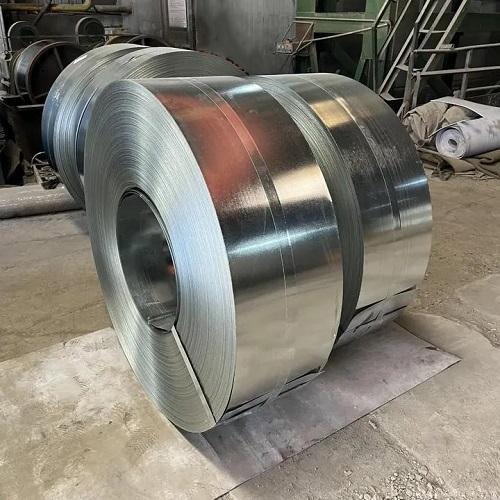
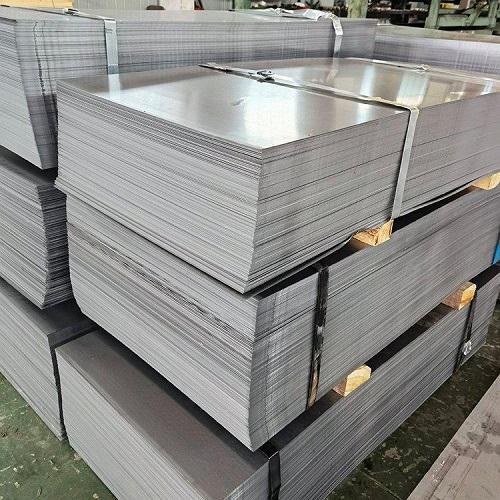
Supply Parameters (coating, thickness, etc)
Published ranges disagree. Milligrams per square metre leave little room for rounding. Treat the figures below as public market ranges rather than a Wanzhi stock list. Our order records appear in the supply section.
| Item | Range buyers commonly quote |
|---|---|
| Metallic chromium | 50 to 150 mg/m2 |
| Chromium oxide | 5 to 35 mg/m2 |
| Thickness | 0.18 to 0.55 mm, narrower for double reduced sheet |
| Width | 600 to 1050 mm |
| Temper | T1 to T5, DR7 to DR9 |
| Roll weight | 3 – 5 tons |
| MOQ | 10 ton |
| Inner diameter | 420/508mm |
| Payment Method | TT |
| Delivery status | Plate and coil |
| Roll packaging method | Horizontal/Vertical |
reading a coating weight line
Metal chromium and chromium oxide are added together when a certificate states total chromium. Baidu Baike quotes a JIS nominal metallic chromium figure near 70 mg/m2, while the supplier tables we checked quote 50 to 150 mg/m2. Both can be right. Nominal values and production windows are different things. Certificates report the delivered lot, so read that number instead.
temper and annealing
T1 through T5 describe single reduced tempers from soft to hard; DR7 to DR9 cover double reduced material. BA means batch annealing and CA means continuous annealing, and the same hardness can be reached by either route on a mill’s own line. Order nine from Bolivia used T4 CA in 0.22 mm cut sheets, which suits rigid stamped parts. Hardness is measured on the HR30T scale, so ask for the test result with the certificate.
how factories use tin free steel
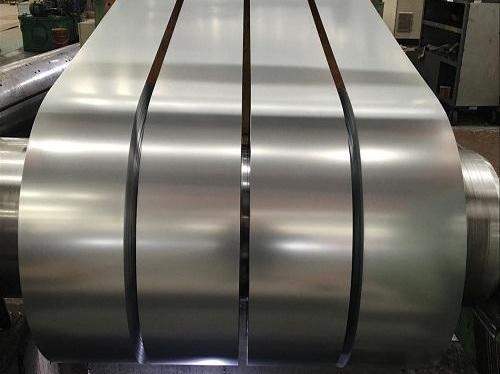
Can ends, crown caps, aerosol domes and paint cans take most of the tonnage. Lacquer and ink do the real barrier work on TFS, so converters print both sides before forming. Fish and meat packs benefit from sulfide resistance; detergent and pigment packs benefit from alkali resistance. Wanzhi’s chrome plate coil page lists coating adhesion, bake resistance, sulfide resistance, filiform rust resistance and alkali resistance as the gains that matter on a can line.
where lacquer carries the load
Organic coating protects the contents, while the chromium oxide layer holds that coating in place. DRD cans and adhesive bonded cans rely on this bond, which is why soldered seams are not part of the design. Printed tinplate bottle cap notes explain why crown caps moved to coated steel, and the metal packaging guide covers the wider can market.
where builders meet this material
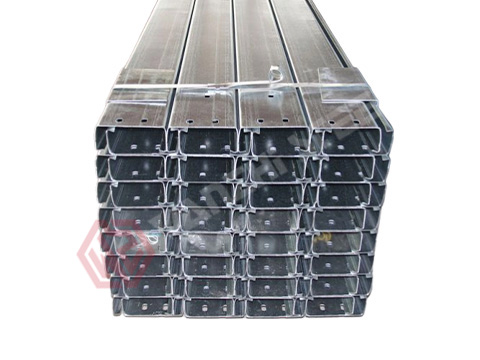
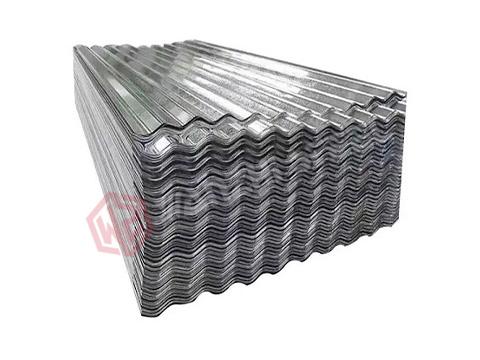
Contractors generally do not specify TFS for structural framing or weather-exposed roofing. Gauges between 0.14 and 0.55 mm and a chromium coating measured in milligrams rule those uses out. Factory-finished decorative skins and appliance panels are the plausible construction-adjacent jobs, and even there the panel system supplier owns the specification. Projects needing an exposed or structural sheet should start with galvanized C shaped steel. Wanzhi also publishes a corrugated sheet procurement guide and a PE vs SMP vs HDP vs PVDF coating guide for the cladding decision. Zinc coated galvanized strip steel is the input behind those light sections.
Where TFS stops and tinplate starts
TFS cannot be soldered. Resistance welding or adhesive bonding joins the seams, and Wanzhi’s chrome plate coil page says the coating is too thin and brittle for punched cans but can be used for deep drawn ones. Baidu Baike adds that spot weldability drops once metallic chromium passes about 30 mg/m2, and that acid resistance is weaker than on tinplate unless both faces are lacquered. Soldered three-piece cans therefore stay with tin coating steel plate or tin plated steel coil.
joining limits
Workshops used to tinplate seam welding need to requalify the line before switching. Removing the chromium layer makes welding possible but slower, and bonding needs its own cure cycle. Anyone quoting a can line should ask which joining method the converter runs.
standards to name in the enquiry
JIS G 3315 covers chromium coated tin free steel, while JIS G 3303 covers tinplate. EN 10202 and GB/T 24180 both cover electrolytic chromium coated steel, and ASTM A657M is the tin mill specification for single and double reduced chromium coated product. Supplier tables we checked sometimes list all of them together with A623 temper codes; those codes belong to tin mill general requirements, not to a TFS coating specification. Write the standard you want on the purchase order and check it against the certificate. Two Wanzhi pages, T3 SPTE tin sheet and electrolytic tinplate sheet, show the tin side of the same family.
What a factory has to put in the enquiry
Comparable quotations start from one complete spec line. Product name, standard, steel type (MR or SPCC), temper, annealing route, thickness, width, cut length, coating mass, surface finish, oiling, coil inner diameter, bundle weight, quantity, destination port and inspection documents all belong in the first message. Miss one field and two mills will quote two different products.
what we leave to the quotation
Minimum order quantity, lead time, payment terms and packing details are settled in the offer. We do not publish TFS figures here, because both move with the coil lot. Send the spec through the contact page and the mill will confirm the current lot, the certificate scope and the shipping window. More of the range sits on the all products page. Background on the wider flat rolled family sits in Britannica’s steel overview.
FAQ
What is tin free steel used for?
Can ends, crown caps, aerosol domes, food cans, paint cans and chemical containers take most of the volume. Lacquer and printing inks bond to the chromium oxide surface, so coated and printed parts are the norm.
Is TFS the same as tinplate?
No. Both start from cold rolled low carbon steel, but TFS carries chromium instead of tin and cannot be soldered. Tinplate keeps the jobs that need a soldered seam or a brighter finish.
Can tin free steel be welded or soldered?
Soldering is out. Resistance welding works after the chromium layer is removed or with a qualified set-up, and adhesive bonding is common on can bodies. Baidu Baike notes that spot welding gets harder once metallic chromium passes about 30 mg/m2.
Which standards apply to TFS?
JIS G 3315 is the dedicated tin free steel standard. EN 10202, GB/T 24180 and ASTM A657M are also named for electrolytic chromium coated steel. JIS G 3303 and ASTM A623 belong to tinplate and tin mill general requirements, so check the wording before signing.
How thick is tin free steel?
Public supplier tables quote roughly 0.14 to 0.55 mm, with narrower bands for double reduced material. Drawing and mill certificate govern the delivered thickness.
ordering questions buyers ask
What should a TFS enquiry include?
Name the standard, steel type, temper, annealing route, thickness, width, cut length, coating mass, finish, oiling, coil or sheet form, quantity, port and inspection documents. One complete line gets comparable bids.
Does Wanzhi supply cut-to-length TFS sheets?
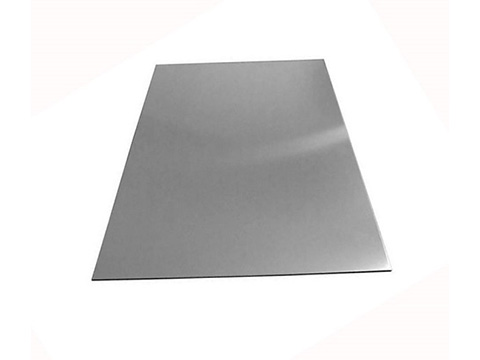
Yes. Published case pages record 0.22 x 1000 x 708 mm T4 CA cut sheets shipped to Bolivia in October and November 2026. Lengths are set in the quotation against your drawing.
Is tin free steel suitable for roofing or wall panels?
Not for structural or weather-exposed work. Gauge and weldability make it a packaging and factory-finished decorative material instead. Builders needing cladding or framing should use galvanized or prepainted structural sheet. Wanzhi publishes a corrugated sheet procurement guide for that route.
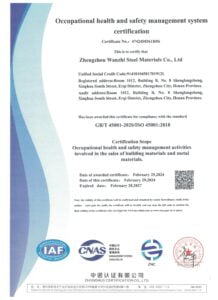
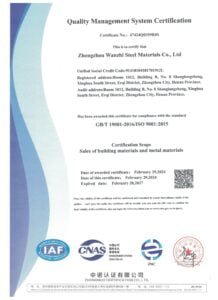
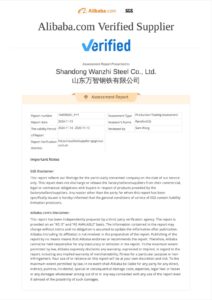
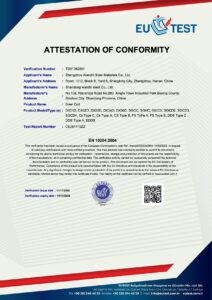
Our Certification


Contact us
- Email: [email protected]
- WhatsApp: +86 18736065220
- Website: wanzhisteels.com
Our experienced sales team will respond within 24 hours with a detailed quotation, including product specifications, pricing, and delivery timeline.
Hot Tags: TFS coil, ECCS sheet, chrome plated steel, tin free steel vs tinplate, TFS coating weight, electrolytic chromium coated steel, tin free steel supplier
 English
 Русский
 العربية
 Español
 Français
 فارسی
 繁體中文
 O‘zbekcha
 Tiếng Việt
 Українська
 Türkçe
 ไทย
 日本語
 한국어