
Stainless Steel for Food Processing | SS 304/316 Supplier
The food processing industry demands materials that are hygienic, corrosion-resistant, durable, and easy to clean. Stainless steel is the undisputed gold standard for food processing equipment. From food preparation and storage to transportation and packaging, stainless steel for food processing has become the preferred material due to its outstanding mechanical properties and excellent sanitary performance. As a certified food-grade stainless steel manufacturer in China, Wanzhi Steel supplies 304/304L, 316/316L и 430 stainless steel sheet, coil, pipe, and bar that meet FDA, NSF/ANSI 51, and 3-A Sanitary Standards, with surface finishes achieving Ra ≤ 0.8 μm for hygienic food-contact applications.
Whether manufacturing dairy products, beverages, meat, seafood, baked goods, or pharmaceutical-grade food ingredients, selecting the right food-grade stainless steel is essential for ensuring product safety, extending equipment life, and complying with international food safety regulations. Request a quote today for factory-direct pricing.
What will this article teach you
- Stainless Steel for Food Processing: Why It Is the Industry Standard?
- What Is Food Grade Stainless Steel?
- Food-Grade Stainless Steel Grades: 304 vs 316 vs 430
- Common Applications of Stainless Steel in Food Processing
- Surface smoothness requirements for food contact materials
- International Standards for Food Processing Stainless Steel
- Wanzhi Steel Food-Grade Stainless Steel Products
- How to Choose the Right Stainless Steel for Food Processing?
- Why Choose Wanzhi Steel for Food-Grade Stainless Steel?
- Часто задаваемые вопросы
Stainless Steel for Food Processing: Why It Is the Industry Standard?
The FDA requires food grade materials to have contact surfaces that are safe, non absorbent, durable, corrosion-resistant, and smooth. Food processing equipment will be continuously exposed to environments such as water, acid, salt, cleaning chemicals, and temperature fluctuations. Stainless steel can fully meet food grade requirements and maintain its performance for a long time without contaminating food products.
Its main advantages include:
Excellent corrosion resistance
Non porous and hygienic surface
Easy to clean and disinfect
High mechanical strength, heat and cold resistance
long service life
Recyclable and environmentally friendly
These characteristics make stainless steel the preferred material for modern food manufacturing facilities.
Bottom line: Stainless steel doesn’t just perform—it protects product integrity and consumer safety.
What Is Food Grade Stainless Steel?
Not all stainless steel is suitable for food contact. Out of approximately 150 commercially available stainless steel grades, only a handful are widely accepted for food-processing applications. Food-grade stainless steel must meet four critical requirements:
- Sufficient Chromium Content (≥ 16%)
Chromium is the essential element that forms the invisible passive oxide layer protecting stainless steel from corrosion. Grades with less than 16% chromium — such as 201 (which substitutes manganese for nickel) — corrode rapidly in food environments and are not food-grade. - Resistance to Food Acids and Cleaning Chemicals
Food processing environments expose stainless steel to organic acids (citric, acetic, lactic), salt solutions, and aggressive CIP (Clean-in-Place) chemicals including caustic soda, nitric acid, and chlorinated sanitizers. The alloy must withstand these without pitting, crevice corrosion, or surface degradation. - Hygienic Surface Finish (Ra ≤ 0.8 μm)
Food-contact surfaces must be smooth enough to prevent bacterial harborage and allow effective cleaning. Both the American 3-A Sanitary Standards and the European EHEDG specify a maximum surface roughness of Ra = 0.8 μm (32 μin) for product-contact surfaces. Rougher surfaces trap food particles and bacteria that cleaning cannot fully remove. - Material Traceability and Certification
Food-grade stainless steel must come with full documentation: Mill Test Certificate (MTC) showing chemical composition, heat number traceability, and compliance declarations.
The most commonly used food grade stainless steel grades include 304/304L and 316/316L. Among these grades, 304 stainless steel is the most widely used because it provides a good balance between performance and cost. 316 stainless steel is recommended for environments that come into contact with chlorides, acidic foods, or frequent chemical cleaning.
Food-Grade Stainless Steel Grades: 304 vs 316 vs 430
The three most common food-grade stainless steel families are the 300 series austenitic grades (304, 316) and the 400 series ferritic grade (430). Here’s how they compare:
Grade 304 Stainless Steel
The Industry Workhorse
304 is specified for more than half of all foodservice products. Its 18% chromium / 8% nickel composition provides excellent corrosion resistance against food acids and cleaning solutions at a reasonable cost.
Best for:
- Conveyor systems, water supply and non-acidic beverages (water, tea, coffee)
- Dairy processing (milk, yogurt)
- Bakery and confectionery equipment
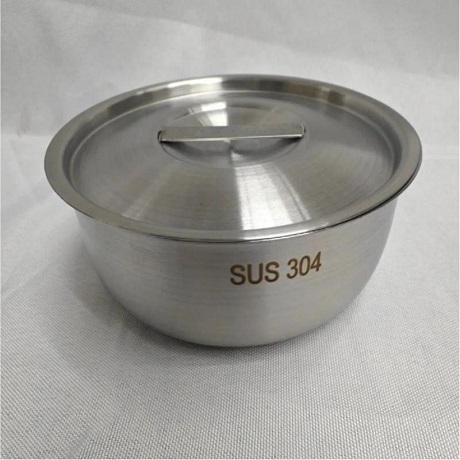
- Cookware, utensils, and food storage
- Beverage production equipment
Limitation: 304 is susceptible to pitting corrosion in chloride-rich conditions (salty/briny environments). It shows accelerated uniform corrosion in prolonged or repeated contact with acidic materials, especially at elevated temperatures.
Grade 316 Stainless Steel
The Premium Choice for Demanding Environments
The addition of 2–3% molybdenum gives 316 superior resistance to pitting and crevice corrosion—particularly in chloride-exposed, acidic, or high-temperature environments. This makes 316 the go-to grade for the most aggressive food processing applications.
Best for:
- Pharmaceutical manufacturing
- High-acid or Salt-rich food production
- Seafood processing and brining operations
- Acidic food products (citrus, tomatoes)
- Breweries and dairy plants with aggressive CIP regimens
- Facilities using harsh chemical washdowns
- Coastal manufacturing facilities with high ambient chloride levels
316L (low-carbon version, C ≤ 0.03%) is often preferred for welded applications to prevent intergranular corrosion.
Grade 430 Stainless Steel
The Budget Alternative for Non-Critical Applications
430 is a ferritic stainless steel with lower nickel content, making it more affordable. However, its corrosion resistance is significantly lower than 304 or 316.
Best for:
- Splashbacks, housings, and equipment enclosures
- Refrigerator liners and dry food storage containers
- Lower-cost applications with moderate corrosion requirements
Limitation: 430 is not recommended for wet or acidic food processing—it may discolor or rust when exposed to moisture and food acids over time. It’s also magnetic (ferritic structure), unlike 300-series austenitic grades.
Common Applications of Stainless Steel for Food Processing
Food Preparation Equipment
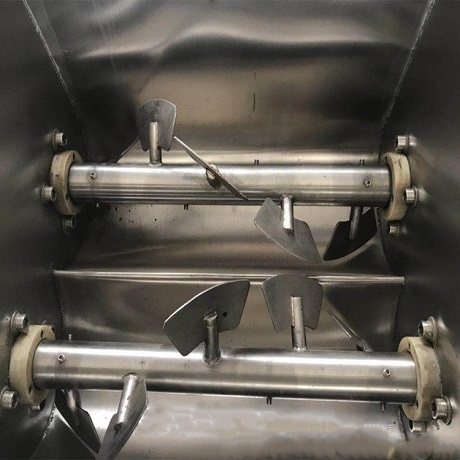
- Cutting tables
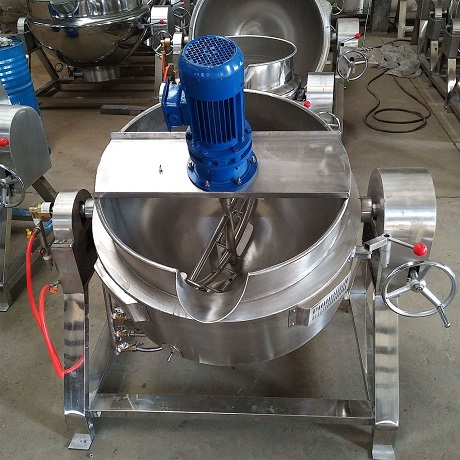
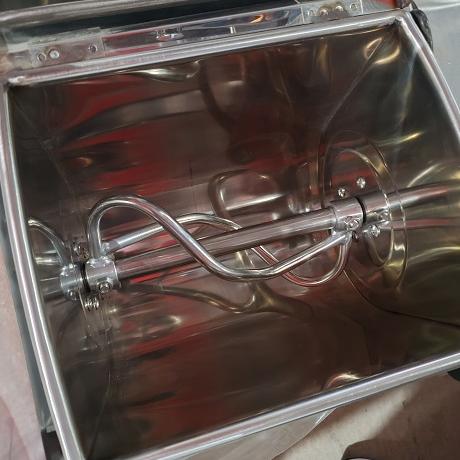
- Mixing equipment
- Food hoppers
- Dough mixers
Storage Systems
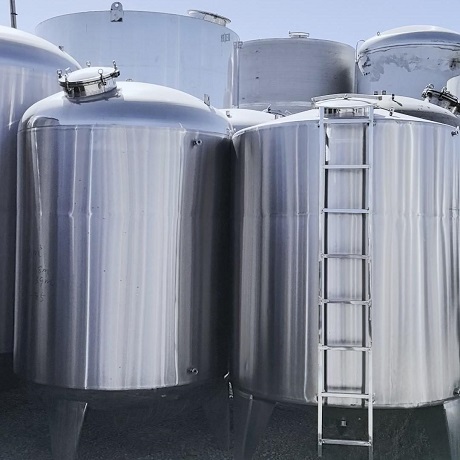
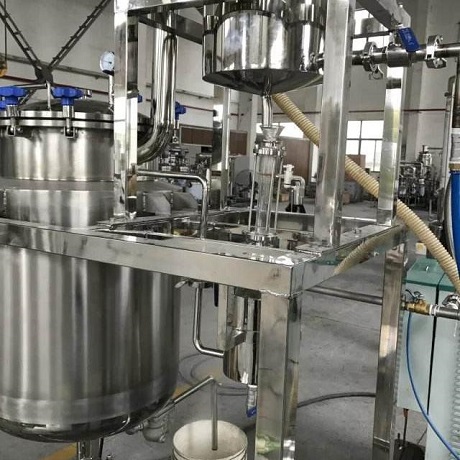
- Storage tanks
- Silos
- Refrigerated containers
- Ingredient bins
Processing Equipment
- Heat exchangers
- Cooking vessels
- Sterilization equipment
- Fermentation tanks
Conveying Systems
- Conveyor belts
- Rollers
- Transfer chutes
- Screw conveyors
Packaging Equipment
- Filling machines
- Packaging frames
- Sealing equipment
- Automated production lines
Surface smoothness requirements for food contact materials
Grade selection alone doesn’t make stainless steel food-safe. The surface finish is equally critical — it determines whether bacteria can harbor in microscopic surface irregularities and whether the surface can be effectively cleaned.
The Ra ≤ 0.8 μm Rule
Both the 3-A Sanitary Standards (US) and EHEDG (Europe) specify that food-contact surfaces must have a maximum roughness of Ra = 0.8 μm (32 μin). Below this threshold, the surface is too smooth for bacteria to lodge in and survive routine cleaning. Above it, microscopic peaks and valleys trap food particles and bacterial colonies that CIP procedures cannot fully remove.
| Surface Finish | Typical Ra | Food Contact? | приложение |
|---|---|---|---|
| Mill finish (No.1) | > 2.5 μm (> 100 μin) | ❌ No | Structural, non-contact |
| 2B (cold rolled) | 0.4 – 1.0 μm (15-40 μin) | ⚠️ Verify Ra | Borderline — test before food contact use |
| No. 4 Brushed | 0.5 – 0.8 μm (20-32 μin) | ✅ Common food finish | Countertops, equipment exteriors, tables |
| No. 4 Fine | ≤ 0.8 μm (≤ 32 μin) | ✅ 3-A compliant | Product-contact surfaces, tanks, vessels |
| Electropolished | 0.1 – 0.4 μm (4-16 μin) | ✅ Premium | Pharmaceutical, high-purity, dairy |
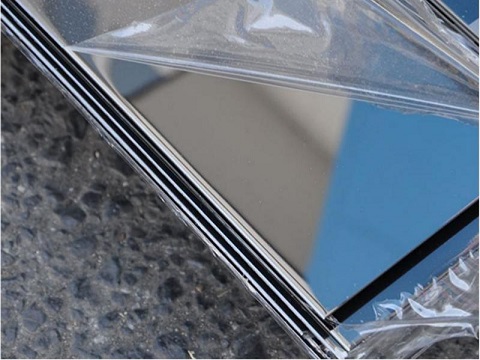
| Mirror (No. 8) | 0.05 – 0.2 μm | ✅ Ultra-smooth | Decorative, clean-room panels |
Important: Cold-rolled 2B sheet typically arrives at Ra 0.2-0.5 μm, which meets the 0.8 μm requirement. However, welds, cut edges, and formed areas are much rougher and require post-fabrication grinding and polishing to bring them under the limit. Always specify passivation (ASTM A380/A967) after welding to restore the chromium oxide passive layer.
International Standards of Stainless Steel for Food Processing
Food processing equipment is commonly manufactured in accordance with recognized international standards, including:
- ASTM A240 – Stainless Steel Plate, Sheet, and Strip
- ASTM A276 – Stainless Steel Bars and Shapes
- EN 10088 – Stainless Steels
- ISO 8442 – Materials for food contact equipment
- NSF/ANSI 51 – Food Equipment Materials
- EHEDG Hygienic Design Guidelines – Hygienic equipment design for food processing
- 3-A Sanitary Standards – Hygienic equipment standards widely used in the dairy and food industries
Manufacturers should also ensure that the selected material complies with applicable food-contact regulations in the destination market.
Wanzhi Steel Food-Grade Stainless Steel Products
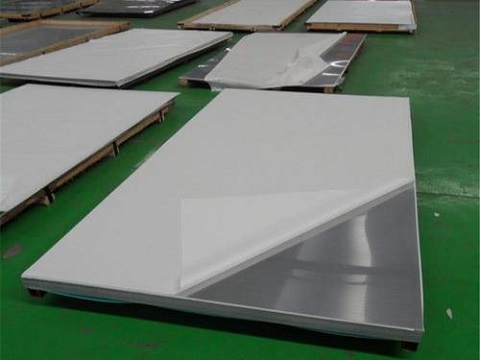
Food-Grade Stainless Steel Sheet & Plate
- Grades: 304, 304L, 316, 316L
- Thickness: Cold rolled 0.2mm – 4.0mm | Hot rolled 4.5mm – 100mm
- Width: 600mm – 1,500mm
- Surface: 2B, BA, No. 4 (brushed), No. 8 (mirror), HL (hairline)
- Standard: ASTM A240 / ASME SA240, JIS, EN 10088
- Food-Contact Use: Tank walls, countertops, hopper liners, equipment enclosures, food prep surfaces
Stainless Steel Sheet
mirror surface ss plate
Food-Grade Stainless Steel Coil & Strip
- Grades: 304, 304L, 316, 316L
- Thickness: 0.05mm – 4.0mm
- Width: 300mm – 1,240mm (narrow strip available)
- Surface: 2B, BA, HL
- Food-Contact Use: Roll-formed profiles, stamping blanks, conveyor belts, food packaging components
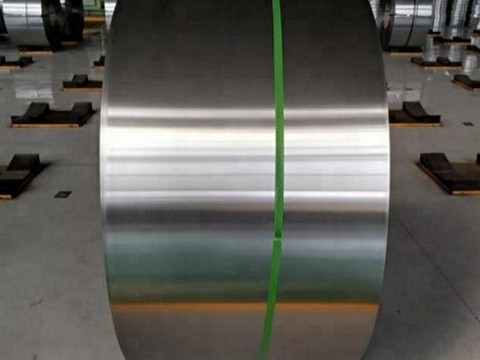
316 Stainless Steel Coil
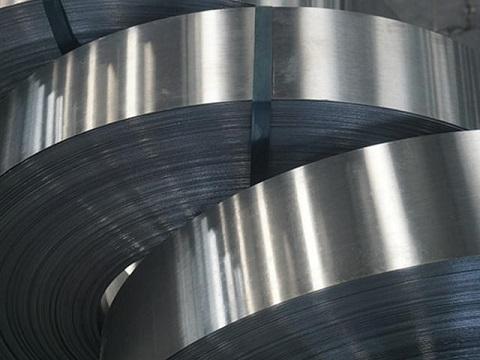
304 Stainless Steel Strip
Food-Grade Stainless Steel Pipe & Tube
- Grades: 304L, 316L (L-grades standard for welded sanitary piping)
- Type: Seamless & welded (ERW, EFW)
- OD: 6mm – 630mm
- Wall: 0.5mm – 20mm
- Standard: ASTM A312, A269, A270 (sanitary), A249
- Surface: Pickled, polished, electropolished for sanitary applications
- Food-Contact Use: Sanitary process piping, CIP lines, transfer lines, brewery & dairy piping
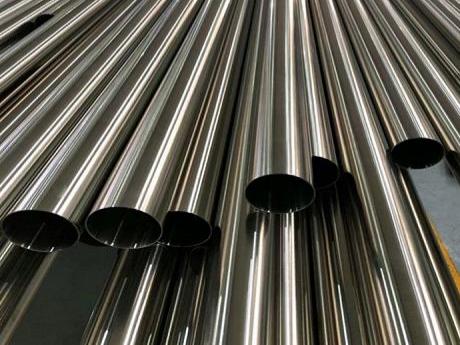
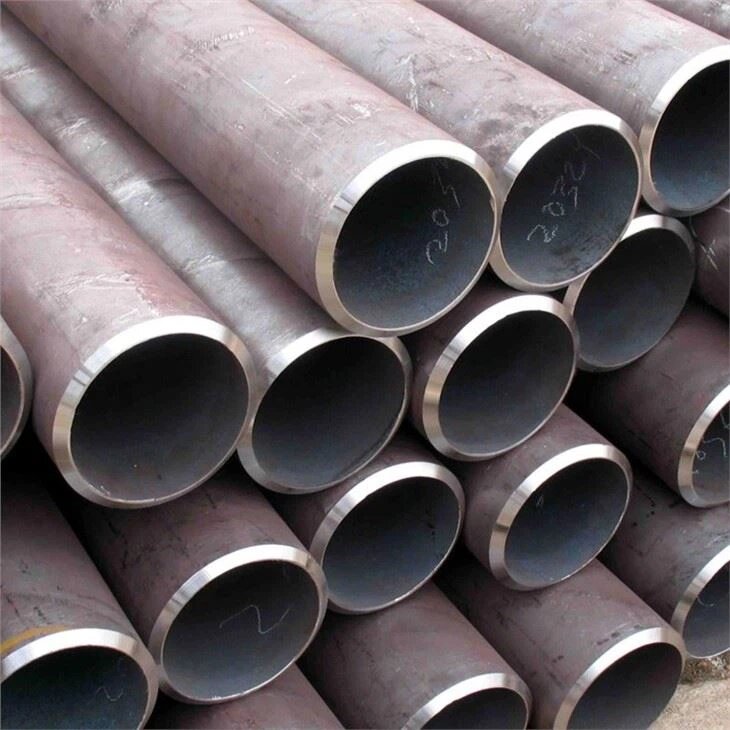
Stainless Steel Pipe
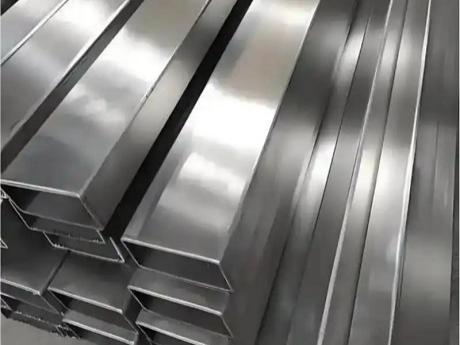
ss Square Tube
Food-Grade Stainless Steel Bar & Rod
- Grades: 304, 304L, 316, 316L
- Type: Round, square, hexagonal, flat
- Diameter: 3mm – 300mm
- Standard: ASTM A276, A479
- Surface: Cold drawn, peeled, ground (for precision), polished
- Food-Contact Use: Shafting for mixers/agitators, pump components, valve stems, machine frame parts
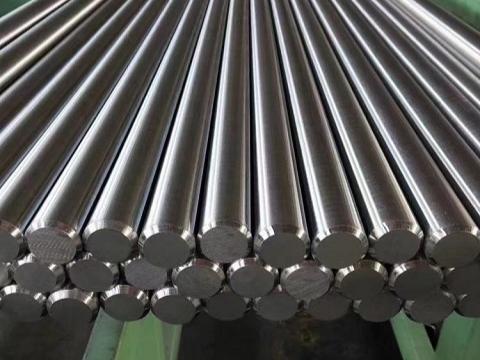
Stainless Steel Rod
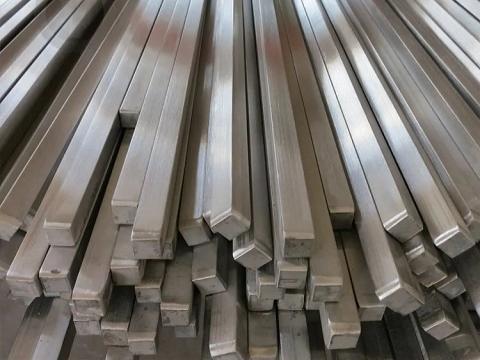
SS304 Bar
How to Choose the Right Stainless Steel for Food Processing
When selecting food-grade stainless steel for your project, evaluate the full operating environment rather than the alloy composition alone. Consider these six factors:
1. Corrosion Environment
What foods will contact the surface? Salt, acid, and chloride content are the primary corrosion drivers. High-salt foods (cured meats, seafood, sauces) and acidic foods (citrus, vinegar, tomato) require 316/316L. Neutral or dry foods (bread, pasta, cereals) can use 304.
2. Cleaning & Sanitation Protocol
How frequently is the equipment cleaned, and with what chemicals? Chlorinated sanitizers, caustic CIP solutions, and acidic descalers all increase corrosion risk. If your facility uses chlorine-based cleaning at elevated temperatures, 316L is strongly recommended regardless of the food product.
3. Welding Requirements
Will the material be welded? If yes, always specify L-grades (304L or 316L) to prevent sensitization and intergranular corrosion in the heat-affected zone. For sanitary piping, specify orbital welding with full penetration and borescope inspection.
4. Surface Finish Specification
Never just specify “No. 4 finish” — specify Ra ≤ 0.8 μm for product-contact surfaces, along with maximum Rz value, lay direction, and passivation requirement (ASTM A380/A967). This eliminates ambiguity and prevents audit failures.
5. Temperature Range
Both 304 and 316 maintain excellent properties across typical food processing temperatures (-20°C to +200°C). For high-temperature applications (ovens, heat exchangers), 316’s molybdenum provides better creep resistance. For cryogenic food freezing, both grades remain tough and ductile.
6. Budget vs Total Cost of Ownership
| Оценка | Price Tier | Initial Cost | Lifecycle Cost |
|---|---|---|---|
| 430 | Lowest | Lowest — no nickel | High replacement risk in wet environments |
| 304 / 304L | Mid-Range | Baseline — best value for general use | Low — 15-30 year service life in appropriate environments |
| 316 / 316L | Premium | +40-60% over 304 | Lowest — outlasts 304 in aggressive environments by years |
Cost tip: The 40-60% material premium of 316 over 304 is typically recovered within 2-3 years in aggressive environments through reduced maintenance, fewer replacements, and avoided contamination incidents.
Why Choose Wanzhi Steel for Food-Grade Stainless Steel?
- Own factory: no trading company markups.
- Full product range: Sheet, plate, coil, strip, pipe, tube, bar — one supplier for all your food-grade stainless steel needs.
- Food-grade grades: 304, 304L, 316, 316L — all certified to ASTM A240 / ASME SA240.
- Surface finishes: 2B, BA, No. 4 brushed, No. 8 mirror, HL hairline, electropolished — we can meet Ra ≤ 0.8 μm specifications for food-contact surfaces.
- Quality certifications: ASTM, ASME, JIS, DIN standards; third-party inspection (TUV, BV, SGS) accept on request.
- Global export experience: Experience in exporting to the UK, Canada, Mexico, Australia, the Middle East, Southeast Asia, South America, and Africa.
- Value-added processing: Cut-to-size (laser, plasma, waterjet), bending, forming, polishing, PVC coating, custom export packaging.
- Annual capacity: 2,000+ tons of stainless steel produced annually with professional production, quality inspection, and sales teams.
Ready to source food-grade stainless steel? Send us your specification — grade, product form, dimensions, surface finish, quantity, and applicable standards — and receive a detailed quotation within 24 hours. Contact Wanzhi Steel today.
FAQ: Stainless Steel for Food Processing
Is all stainless steel food-grade?
No. Only grades with sufficient chromium content (≥ 16%), adequate corrosion resistance, and a hygienic surface finish are suitable for food contact. Common food-grade grades include 304, 304L, 316, 316L, and 430. Grades like 201, 202, and 303 are not food-grade.
What is the best stainless steel for food processing?
For general food processing, 304/304L is the most widely used grade. For environments involving salt, brine, acidic foods, or aggressive cleaning chemicals, 316/316L is the preferred choice due to its molybdenum content, which significantly improves chloride and acid resistance.
Is 304 stainless steel food-safe?
Yes. 304 stainless steel is one of the most commonly used food-grade stainless steels, recognized by the FDA (21 CFR 175.300) as GRAS when containing ≥ 16% chromium. However, it is not recommended for high-salt or high-chloride environments where 316 is required.
What is the difference between 304 and 316 stainless steel for food use?
316 contains 2-3% molybdenum, which 304 does not have. This dramatically improves resistance to chloride-induced pitting and crevice corrosion. 304 is ideal for general food processing; 316 is necessary for salt/acid environments. 316 typically costs 40-60% more than 304.
What surface finish is required for food-grade stainless steel?
Food-contact surfaces should achieve a maximum surface roughness of Ra ≤ 0.8 μm (32 μin), as specified by 3-A Sanitary Standards and EHEDG. This is typically achieved with a No. 4 brushed finish or electropolishing.
Does food-grade stainless steel need FDA approval?
The FDA recognizes stainless steel with ≥ 16% chromium as GRAS for food contact under 21 CFR 175.300. However, food-safety suitability depends on grade, surface finish, intended use, and cleaning conditions. For certified food equipment, NSF/ANSI 51 and 3-A compliance are typically required in addition.
Why are 304L and 316L recommended for welded food equipment?
The “L” means low carbon (≤ 0.03%). During welding, standard grades can suffer carbide precipitation — sensitization — making the heat-affected zone vulnerable to intergranular corrosion. L-grades eliminate this risk, making them the standard for welded tanks, pipes, and sanitary assemblies.
Is 430 stainless steel safe for food contact?
430 is a ferritic grade (16-18% Cr, no nickel) suitable for some dry or low-corrosion food-contact applications such as countertops and sinks. It is less expensive than 304/316 but has significantly lower corrosion resistance and is not suitable for wet, acidic, or salt-exposed environments.
Can Wanzhi Steel supply food-grade stainless steel with custom specifications?
Yes. Wanzhi Steel operates our own factory with cold rolling, shearing, bending, and surface treatment equipment. We can supply food-grade 304/316L stainless steel in custom sizes, surface finishes (including Ra ≤ 0.8 μm polishing), and product forms. Contact us with your specification for a detailed quote within 24 hours.
Заключение
Stainless steel for food processing remains the benchmark material for modern food manufacturing because it combines hygiene, durability, corrosion resistance, and cost-effectiveness. Whether you are producing food, beverages, dairy products, or pharmaceutical ingredients, choosing the right grade—such as 304, 304L, 316, or 316L stainless steel—can improve equipment reliability, reduce maintenance costs, and support compliance with food safety standards.
Tags:
stainless steel for food processing food grade stainless steel 304 stainless steel 316 stainless steel food grade stainless steel sheet FDA approved stainless steel 430 stainless steel 3-A sanitary standards EHEDG food processing equipment sanitary stainless steel stainless steel supplier China
 English
  Русский
  العربية
  Español
  Français
  فارسی
فارسی  繁體中文
繁體中文  O‘zbekcha
  Tiếng Việt
  Українська
  Türkçe
  ไทย
ไทย  日本語
日本語  한국어
한국어  简体中文
简体中文