Blog

Advantages-and-Disadvantages-of-Hot-Rolling-cold-rolling

The difference between hot rolling and cold rolling

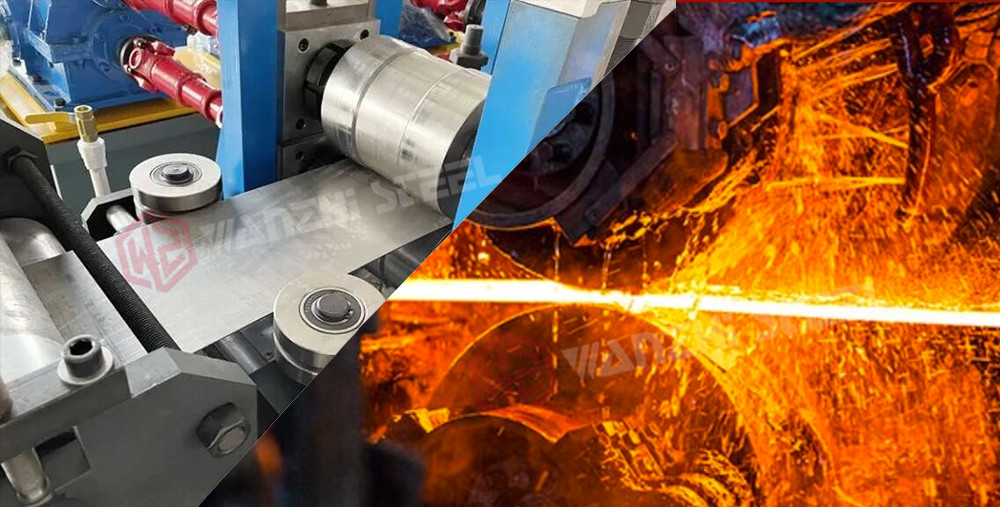
Hot rolling and cold rolling are two common methods for processing metal materials. Their processing processes and product properties after processing are very different. Here are the specific differences: During processing: 1. Processing principle Hot rolling is to heat a metal material to a plastic temperature at a high temperature, and use a large rolling

The difference between hot rolling and cold rolling Read More »

Binding Technology Of Column Reinforcement

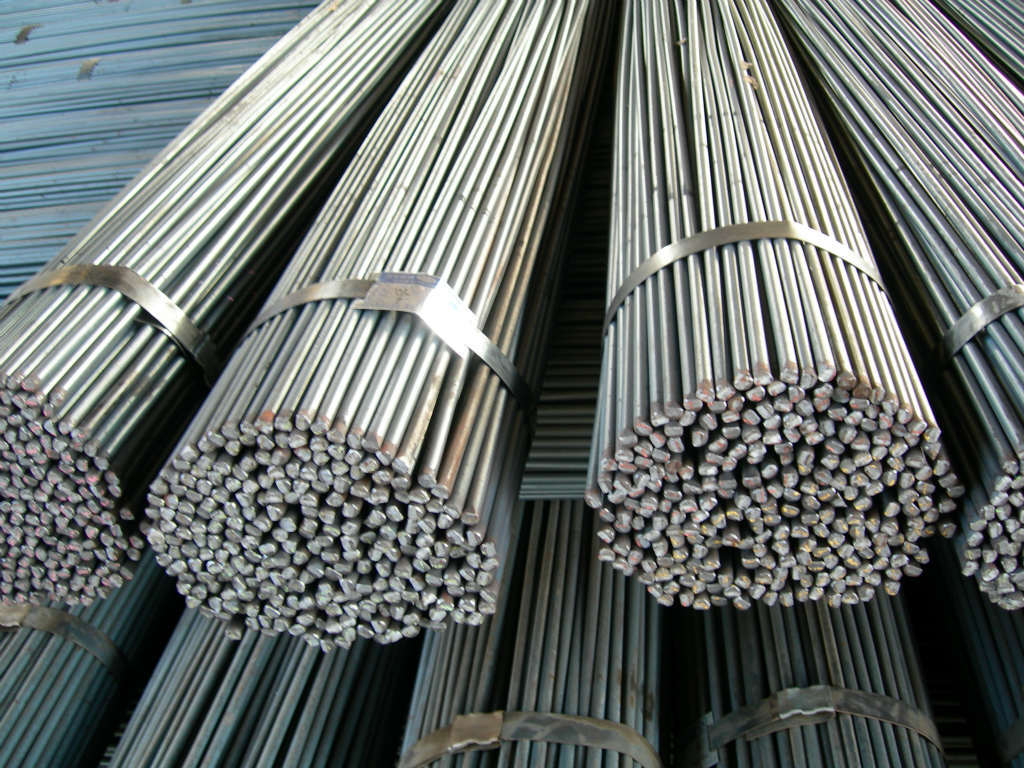
Column Reinforcement Lashing Technique 1. Column reinforcement Process flow: Connection of vertical load-bearing bars → drawing of stirrup spacing line → setting column stirrup → binding stirrup 2. The connection mode of stress-bearing reinforcement must meet the design requirements. 3. Draw the stirrup spacing line: On the vertical reinforcement of the column, mark the stirrup

Binding Technology Of Column Reinforcement Read More »

ppgi coil

The Reasons Why Color-Coated Steel Is Becoming More And More Popular

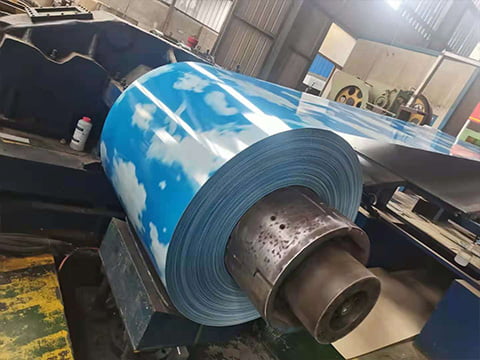
With the rapid development of the construction and home decoration industries, the popularity of color-coated steel as a new building decoration material continues to increase.  Introducing the definition and application scope of color-coated steel Color-coated steel is a kind of building decoration material that is processed by surface treatment, painting and other processes of steel

The Reasons Why Color-Coated Steel Is Becoming More And More Popular Read More »

Is There Any Difference Between Colored Steel Plate And Corrugated Plate?

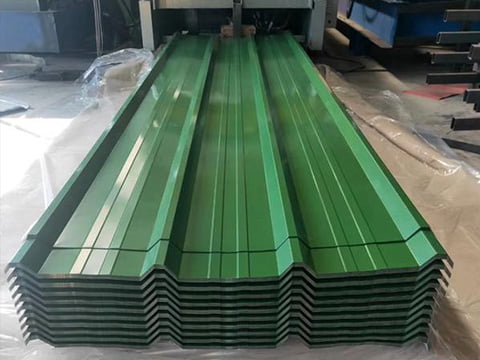
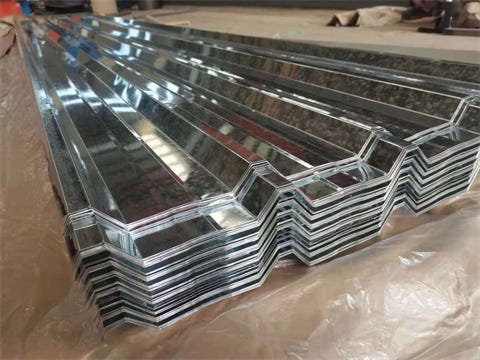
Talk about the difference between color steel plate and corrugated plate Corrugated plate is also called pressure plate, the use of color coated steel plate, galvanized plate and other metal plate by rolling cold bending into a variety of wave shape of the pressure plate. Color steel plate is on the basis of the substrate

Is There Any Difference Between Colored Steel Plate And Corrugated Plate? Read More »