

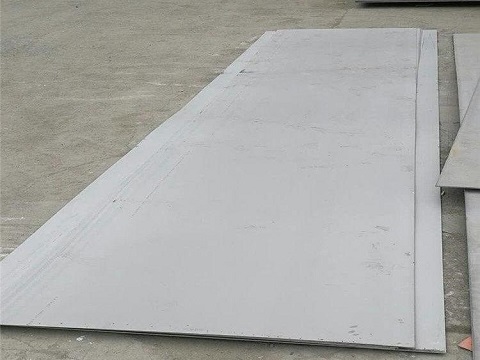
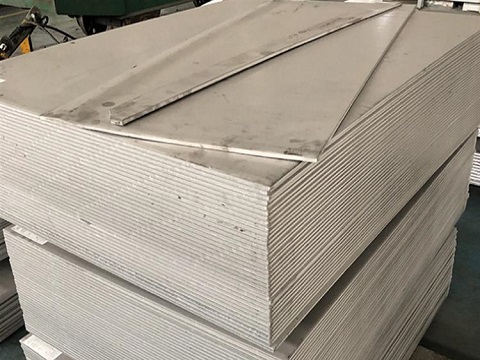
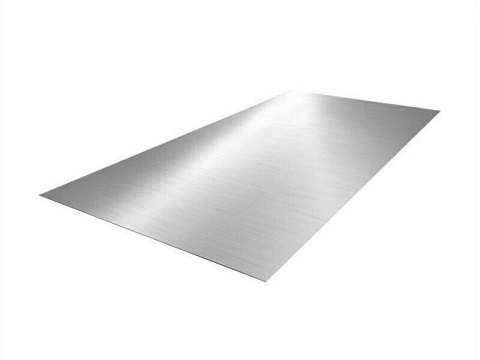
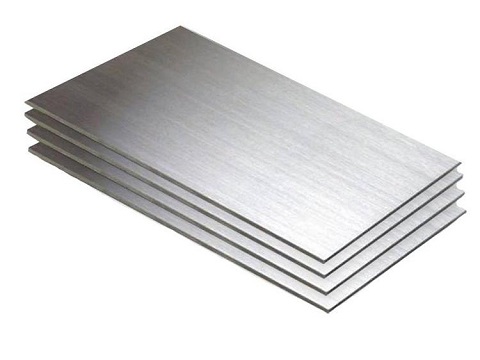
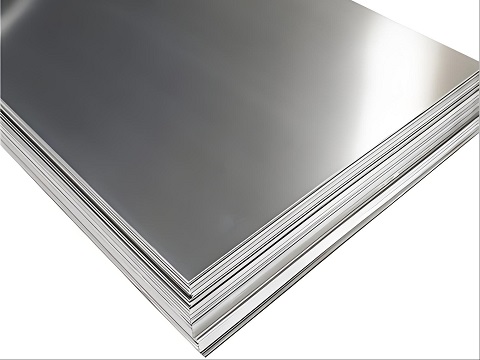
316 stainless steel sheet
Length: 1~12m or customization
Thickness: 0.1 – 6.0 mm
Surface: NO.1, 2B, BA, HL, NO.4
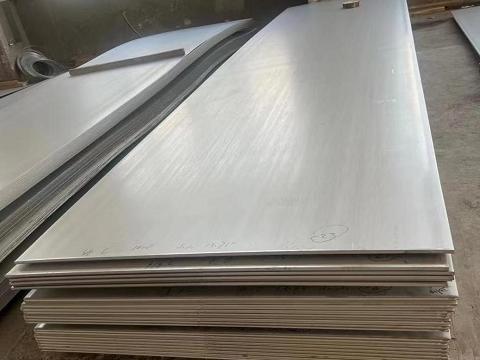
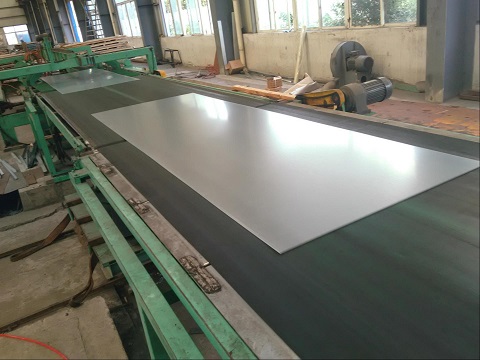
316 stainless steel sheet is the flat-rolled form of austenitic grade 316, an 18/10 chromium-nickel alloy with 2 to 3 percent molybdenum. That molybdenum is the difference between 316 and the more common 304, and it is why 316 is the grade buyers reach for when the job involves salt, chlorides, acids, or coastal air. Wanzhi Group rolls, finishes and exports 316 sheet from its own mill in thicknesses from 0.1 to 6.0 mm, widths up to 1200 mm, and a full set of surface finishes, and ships it against ASTM A240 with a mill test certificate.
This page expands on our existing product page with the chemistry, the finishes and sizes on offer, where the sheet actually gets used, how to choose between 316 and 304, and what moves the price. If your project sits near the sea or handles chlorides, our dedicated marine grade stainless steel sheet page goes deeper on coastal and offshore selection.
What 316 stainless steel sheet is
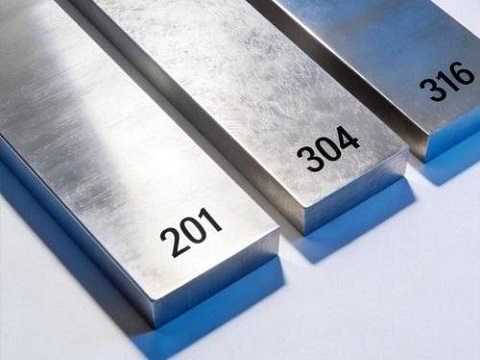
316 belongs to the austenitic 300 series. Like 304, it gets its corrosion resistance from roughly 17 to 18 percent chromium and its formability from 10 to 14 percent nickel. What sets it apart is the 2 to 3 percent molybdenum, an element that toughens the passive film against chloride attack. The International Molybdenum Association explains how this small addition lifts pitting resistance by a wide margin in chloride environments, which is exactly where 304 tends to fail first.
316 sheet is supplied as flat product in the thin-to-medium range. Thin, coil-derived material under about 3 mm is called sheet; thicker, individually cut flat product from 3 mm up is called plate. Our hot rolled stainless steel plate guide covers the heavier end of the same 316 family. Both start from the same 316 chemistry.
The low-carbon version, 316L, keeps carbon at 0.03 percent or below so the sheet resists sensitization and intergranular corrosion after welding without post-weld heat treatment. For most welded tanks and fabrications, 316L is the safer spec, and we stock it alongside standard 316.
Chemical composition and ASTM A240 specs
316 stainless steel sheet is made to ASTM A240 / A240M, the US standard that covers chromium, chromium-nickel and chromium-manganese-nickel stainless plate, sheet and strip, together with ASTM A480 for finishing. The typical composition sits in this range:
Element316 (typical, %)316L (max, %)Carbon0.08 max0.03 maxManganese2.00 max2.00 maxChromium16.0 to 18.016.0 to 18.0Nickel10.0 to 14.010.0 to 14.0Molybdenum2.00 to 3.002.00 to 3.00Silicon1.00 max1.00 maxPhosphorus0.045 max0.045 maxSulfur0.030 max0.030 max
The molybdenum content is what moves the pitting resistance equivalent number (PREN) up. PREN is calculated as percent chromium plus 3.3 times percent molybdenum plus 16 times percent nitrogen. A typical 316 lands around 24 to 26, while 304 sits near 18 to 20. The higher the number, the better the sheet resists pitting in chloride service. Our ASTM A240 certified stainless steel sheet page goes into the testing and certification behind the standard. In China the same grade is written 06Cr17Ni12Mo2, and the European and Japanese equivalents are EN 10088-2 1.4401 and JIS G4304 SUS316.
Chemical Composition
| Element | Content (%) |
|---|---|
| Chromium (Cr) | 16.0–18.0 |
| Nickel (Ni) | 10.0–14.0 |
| Molybdenum (Mo) | 2.0–3.0 |
| Carbon (C) | ≤0.08 |
| Manganese (Mn) | ≤2.0 |
Product parameters
These are the stock ranges for our 316 and 316L sheet. Every order ships against an MTC, and third-party inspection (SGS, BV, TÜV) can be arranged.
| Item | Parameters |
| Products name | 316 Stainless Steel Sheet |
| Standard | ASTM |
| Certificates | ISO9001,SGS,SE |
| Width | 600 ~ 1200mm |
| Thickness | 0.1 ~ 6.0mm |
| Length | 1-12m , According to customer requirements |
| MOQ | 15 tons |
| Processing Service | Welding, Punching, Cutting, Bending, Decoiling |
| Delivery time | Within 7-15 days after receiving the 30% TT deposit |
| Payment Term | 30% +70% T/T , Paypal |
| Transport Package | Standard Seaworthy Packing, or according to customer’s requirements. |
For thickness beyond 6.0 mm, see our 316 stainless steel plate range, which covers 3 to 120 mm. Weight is easy to estimate: 316 density is about 8.0 g per cubic centimeter, so a 1 mm thick, 1 square meter sheet weighs roughly 8 kg. Multiply thickness in millimeters by 8 to get kilograms per square meter.
Surface finishes for 316 sheet
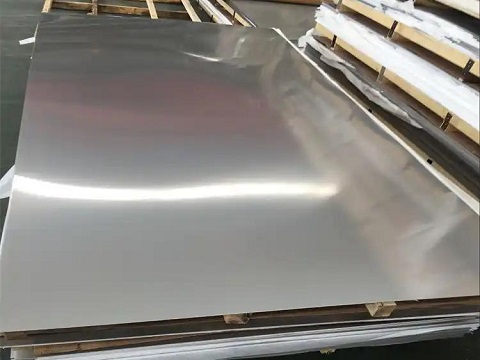
Finish does not change the alloy, but it changes how the sheet looks, cleans and performs in service. We supply 316 in the common rolled and polished states. 2B is the standard cold-rolled, annealed and pickled finish: smooth, dull grey, no reflection, and it is the workhorse for tanks and fabrication. No.1 is the hot-rolled, pickled finish for plate, matte and rough, for structural and heavy use. No.4, also called brushed, adds a one-direction satin grain that hides fingerprints and scratches, which is why it dominates kitchens and food equipment. BA, or bright annealed, is smooth and near-mirror, picked when appearance matters. HL is a fine, long-grain brushing for premium architectural cladding.
Our stainless steel surface finish guide compares 2B, No.4 and BA side by side, and the brushed stainless steel sheet page covers the satin option in detail. After any mechanical finish we passivate the sheet to rebuild the chromium layer, which matters most on 316 used in marine and chemical service.
Why 316 resists corrosion better
Corrosion resistance in stainless steel comes from a thin chromium oxide film on the surface. In clean air that film forms on its own and heals quickly. The problem starts with chlorides, which can break the film locally and start pitting. Molybdenum closes those gaps in the film and slows the attack, so 316 keeps protecting the steel where 304 would stain and pit within a season.
That single advantage is why 316 is specified for seawater cooling systems, coastal buildings, chemical plants and anything that sees salt or cleaning chemicals. The Britannica overview of stainless steel describes the family and why chromium is the main element; molybdenum is the booster that 316 adds on top. A practical note: 316 is not immune. In warm, stagnant seawater or heavy crevice conditions, even 316 can pit, and that is where duplex 2205 or higher-alloy grades earn their place. For most coastal and chemical work up to moderate temperature, 316L is the right, cost-effective call.
Advantages of 316 sheet
Specifying 316 sheet brings gains that show up over the life of the project:
- Long service life in salt air. 316 keeps its look and strength where 304 stains within a season.
- Strong resistance to acids and chemicals. It handles many organic and inorganic acids that would attack lower grades.
- Good weldability. 316L welds without post heat treatment and avoids sensitization at the seam.
- Hygienic and easy to clean. Smooth finishes shed salt, scale and biofouling, which suits food and pharma.
- Formable and fabricable. It cuts, bends and deep-draws much like 304, so shops can work it with standard tooling.
- Known and trusted grade. Mill certificates and a familiar spec make inspection and handover simple.
For the thin, cold-rolled version of the same alloy, our cold rolled stainless steel sheet page covers tolerances and surface options.
Typical Applications of 316 Stainless Steel Sheet
Due to its enhanced corrosion resistance, 316 stainless steel plate is designated for critical applications where 304 is insufficient.
Marine and Coastal Environment: Very suitable for seawater treatment equipment, offshore technology, ship accessories, and coastal building features. Such as shipbuilding, offshore platforms, marine hardware, chemical treatment.
Chemical and petrochemical processing: storage tanks, reactors, pipelines, and equipment used for processing corrosive chemicals, acids, and solvents. For example: storage tanks, pressure vessels, heat exchangers, chemical pipelines.
The food and beverage industry: Processing equipment, brewing, dairy products, and wine making are crucial for hygiene and corrosion resistance. Such as food processing equipment, commercial kitchens, brewing equipment, dairy equipment.
Pharmaceutical and Medical: Used for the production of equipment and devices that require high purity and sterilization. For example: sterile processing equipment, medical storage tanks, pharmaceutical production lines.
Aerospace and Energy: Designed specifically for components in the oil, gas, and aerospace industries due to its strength and reliability under extreme conditions.
Architecture: High end building facades, escalator decorations, and interior design elements. Such as curtain walls, elevator panels, decorative walls, and luxurious interiors.
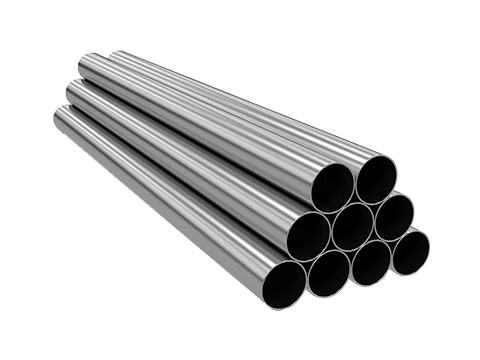
The same grade that lines a chemical tank also builds the equipment that runs on it. Our machinery division fabricates stainless steel tanks and stainless steel fermentation tanks from 316L sheet for brewery, dairy and pharma lines, and they choose 316L interiors for exactly the corrosion and hygiene reasons above. If you need the round form instead of flat sheet, our ASTM A312 316L pipe and 316L pipe lines cover that need.
How to choose between 316 and 304 sheet
Both are austenitic 18/10 grades, but 316 adds 2 to 3 percent molybdenum, which raises pitting resistance in chloride environments. Use this short checklist when you spec an order:
- Pick the environment first. If salt, chlorides, acids or coastal air are in play, move from 304 to 316. For dry, indoor or fresh-water work, 304 stainless steel sheet is the more economical call.
- Pick the grade. Standard 316 for general corrosion; 316L when the part will be welded and cannot be heat treated afterward.
- Set the thickness. Sheet runs 0.1 to 6.0 mm; above 3 mm it is often supplied as plate.
- Choose the finish. 2B for fabrication and tanks, No.4 for food and visible surfaces, BA for decorative trim.
- Confirm the standard. ASTM A240 (US and export), EN 10088-2, JIS G4304 or GB/T 3280. We supply to any of them.
- Ask for the certificate. Every coil and sheet ships with an MTC, and third-party inspection can be arranged.
What moves the 316 sheet price
316 sheet costs more than 304 because of the molybdenum and higher nickel content, and the price moves with a few clear factors:
- Alloy surcharge. Molybdenum and nickel track the LME, so the base price follows those metals more than steel alone.
- Thickness and width. Heavier gauges and wider coils use more material and rolling time.
- Finish. 2B is the baseline; No.4 and BA add 10 to 25 percent, and full mirror costs the most.
- Grade. 316L is priced close to 316, with a small premium for the low-carbon melt.
- Order volume. Container-load quantities (about 15 to 25 tons) secure better FOB rates than small lots.
- Inspection level. Third-party (SGS, BV) certification adds cost but de-risks delivery.
We quote per ton against your specification with MTC terms included. Send thickness, width, length, finish, grade and destination port and we return a number the same day.
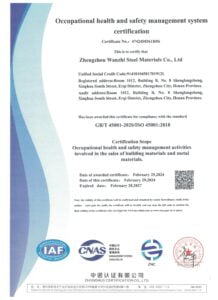
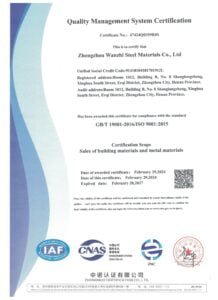
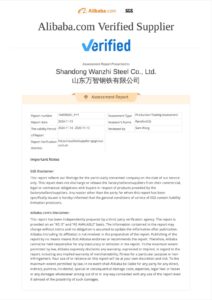
Our Certificates



Manufacturer

7*24 Service

Discounted

Customizable

Trustworthy
Why source 316 sheet from Wanzhi Group
We are an integrated steel producer, not just a trader. The same group runs the stainless steel mill that rolls the sheet and the shop that fabricates it, so quality is controlled from slab to packed coil and lead times stay short. We hold ISO 9001, ISO 14001, ISO 45001 and CE/SGS certifications, run an in-house lab for chemical and mechanical verification, and ship against MTC with optional third-party inspection.
For the full range across grades and forms, see all products. If your project also needs 304 for lower-risk areas, our 304 stainless steel sheet page covers that grade, and the hot rolled, cold rolled and surface finish pages above explain the thickness and finish choices in more depth.
FAQ
What is the difference between 316 and 304 stainless steel sheet?
Both are austenitic 18/10 grades, but 316 adds 2 to 3 percent molybdenum, which raises pitting resistance in chloride environments. 316 suits marine, coastal and chemical service where 304 would corrode, and costs more due to molybdenum and higher nickel.
Is 316L better than 316 for sheet?
For welded fabrications, 316L is better because its low carbon (0.03 percent max) avoids sensitization at the weld. Most tank and equipment work specifies 316L.
Can 316 stainless steel sheet rust?
Under normal service conditions, 316 stainless steel sheet has excellent corrosion resistance. However, prolonged exposure to highly concentrated chlorides, improper maintenance, or surface contamination may still cause localized corrosion.
What thickness does 316 stainless steel sheet come in?
Cold-rolled 316 sheet typically runs 0.1 to 6.0 mm. Material from 3 mm up is often supplied as plate, which we cover on the 316 plate page, with thicknesses reaching 120 mm.
Can 316 sheet be used in seawater?
Yes, for most coastal and seawater applications up to moderate temperature, 316L is the standard grade. In warm, stagnant or heavy-crevice conditions, even 316 can pit and a higher-alloy or duplex grade may be needed.
What surface finish should I choose for food contact?
Use 2B or No.4 on the product-contact side. Both are smooth and cleanable, and No.4 is common on commercial gear because it hides wear. Grade choice (316L) matters more than finish for corrosion resistance.
How much does 316 stainless steel sheet weigh?
316 density is about 8.0 g per cubic centimeter. A 1 mm thick, 1 square meter sheet weighs roughly 8 kg. Multiply thickness in millimeters by 8 to get kilograms per square meter.
What standards does 316 sheet meet?
ASTM A240 / A240M and A480, EN 10088-2, JIS G4304 and GB/T 3280. Each sheet ships with an MTC, and third-party inspection can be arranged.
What is the minimum order quantity for 316 sheet?
MOQ is 15 tons, with stock sizes available for faster delivery. Send your size, finish, grade and standard and we quote material and processing together.
What is the relationship between 316L Stainless Steel and 316 Stainless Steel?
316L is a low-carbon version of 316 (Carbon ≤ 0.03%). The “L” stands for “Low Carbon”. This variant offers superior resistance to intergranular corrosion, particularly after welding. It is the preferred choice for welded applications where the material will be exposed to corrosive environments.
Contact us
Company: Erqi District, Zhengzhou City, Henan Province, China
Factory: Binzhou City, Shandong Province, ChinaList item
E-mail: [email protected]
WhatsApp: +86 18736065220
Website: https://wanzhisteels.com

Hot Tags: SS316 steel plate, stainless steel sheet, 316 stainless steel sheet price, 316 vs 304 sheet, ASTM A240 316 sheet, 316L stainless sheet, marine grade 316 sheet
 English
 Русский
 العربية
 Español
 Français
 فارسی
 繁體中文
 O‘zbekcha
 Tiếng Việt
 Українська
 Türkçe
 ไทย
 日本語
 한국어
 简体中文