
If you are in manufacturing, construction, or fabrication, choosing between cold rolled steel vs stainless steel is a common dilemma. At first glance, they might look similar, especially if the cold rolled steel has a shiny, precision finish. However, these materials are fundamentally different in composition, performance, and price .
This guide breaks down everything you need to know about cold rolled steel (CRS) vs stainless steel (SS) to help you select the right material for your project.
What is Cold Rolled Steel?
Cold rolled steel “is not a specific alloy, but a process description for low-carbon steel. It is made of hot-rolled steel and further processed at room temperature.
This process involves cleaning (pickling) hot-rolled steel (with rough surface and oxide scale), and then cold rolling it through rollers at room temperature to obtain precise dimensions and a smooth, matte surface.
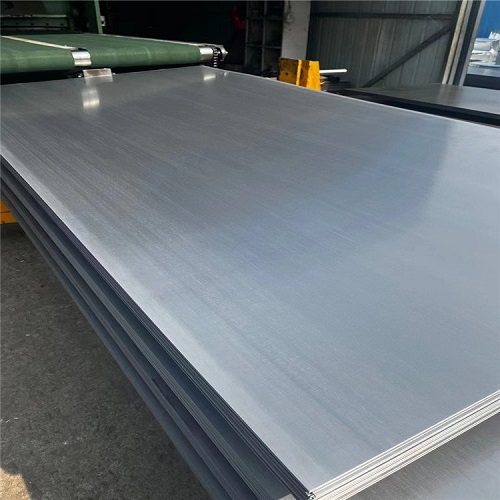
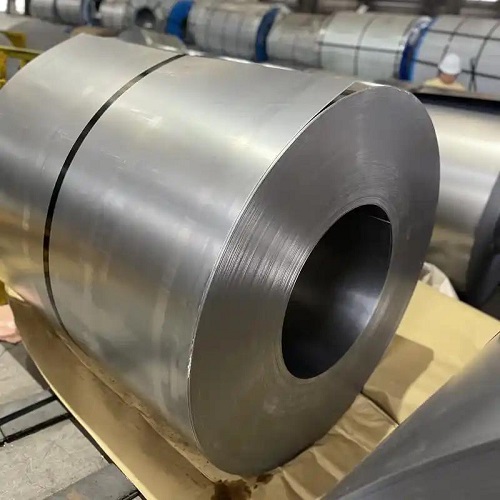
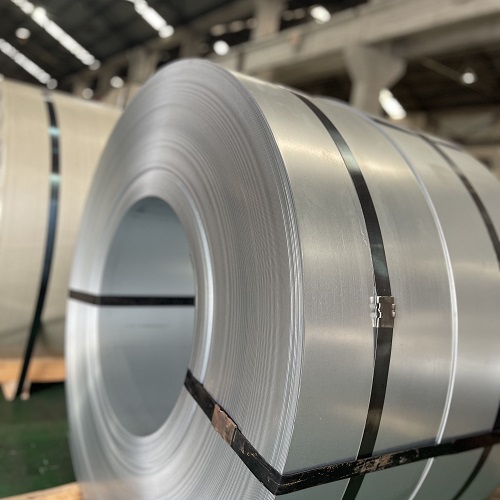
Key Characteristics: Superior dimensional accuracy, excellent surface finish, increased strength (due to work hardening), and good formability after annealing .
Common Grades: ASTM A1008 (CS Type B), EN 10130 (DC01), JIS G3141 (SPCC) .
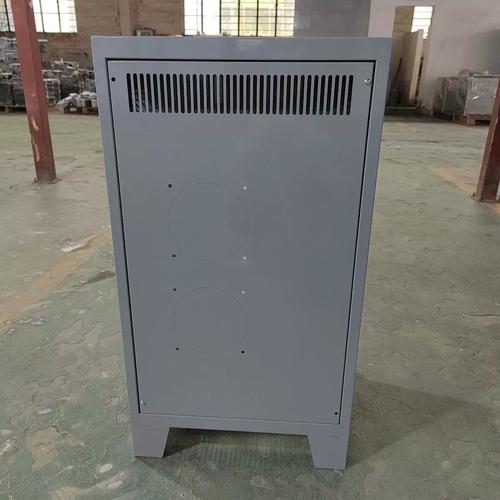
Typical Applications: Automotive body panels, appliance housings (refrigerators, washing machines), metal furniture, and electrical boxes
What is Stainless Steel?
Stainless steel is defined by its chemical composition. It is an alloy of steel that must contain a minimum of 10.5% to 12% Chromium (Cr) . This chromium reacts with oxygen to form a thin, invisible layer of chromium oxide on the surface, which gives it self-healing corrosion resistance .
Unlike cold rolled steel, stainless steel can be delivered in either a hot rolled or cold rolled finish. It is categorized into families based on its microstructure (Austenitic, Ferritic, Martensitic, Duplex).
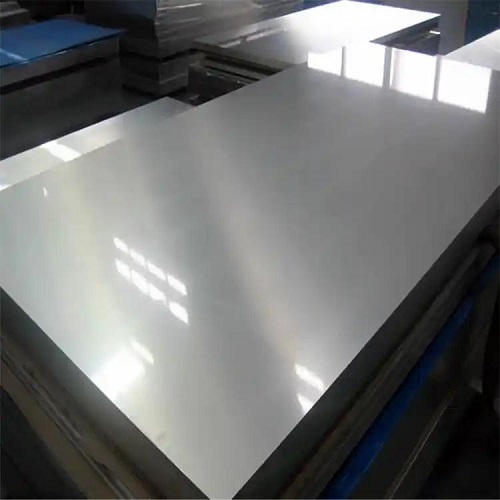
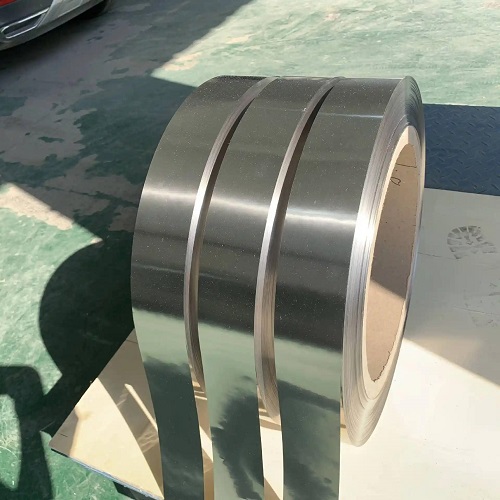
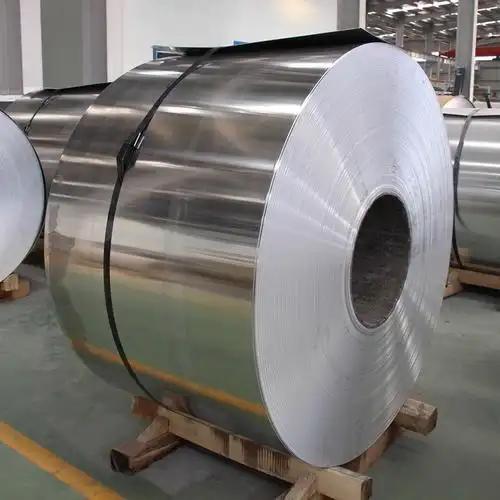
Key Characteristics: Excellent corrosion resistance, high durability, aesthetic appeal, and options for high strength or high formability depending on the grade .
Common Grades: 201(basic grade), 304 (general purpose), 316 (marine grade), 430 (decorative).
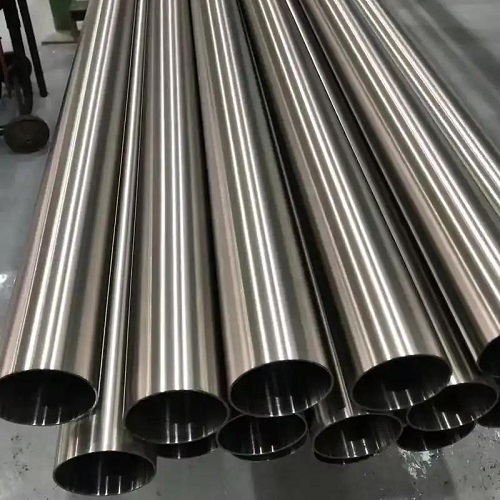
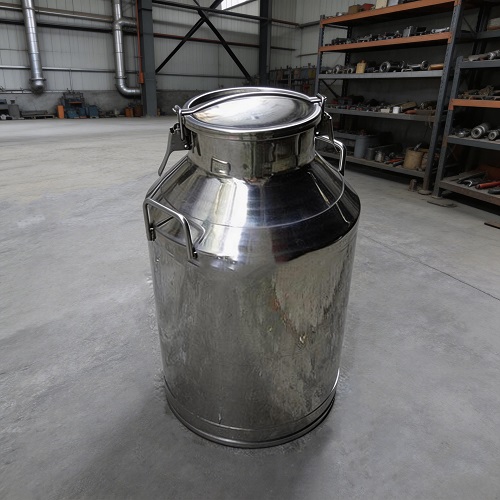
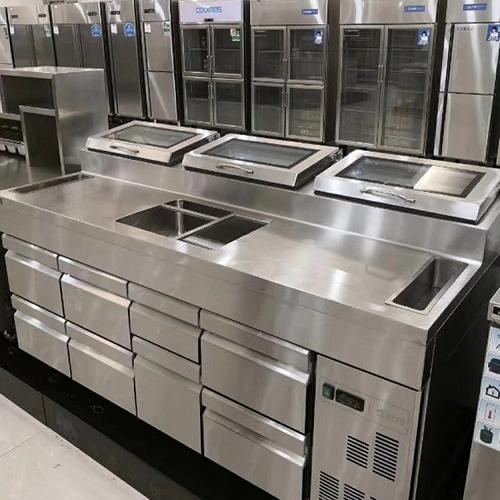
Typical Applications: Kitchen sinks, medical instruments, food processing equipment, marine hardware, and chemical plants
Cold rolled steel vs stainless steel face off
To choose the most suitable steel, you need to understand their performance comparisons in various aspects of engineering and manufacturing.
1. Corrosion Resistance (The Rust Factor)
The most significant difference is how they handle moisture.
Stainless Steel: Thanks to its chromium content, it is inherently corrosion-resistant. It withstands water, acids, and chlorides (especially grades like 316) .
Cold Rolled Steel: It has no inherent corrosion resistance. Because the surface is smooth and oiled during production, it can resist rust temporarily in storage, but it will rust quickly when exposed to moisture unless it is painted, plated, or coated .
2. Strength and Hardness
Cold Rolled Steel: The cold working process (strain hardening) makes CRS significantly stronger and harder than hot rolled steel. It offers good mechanical properties for structural integrity.
Stainless Steel: Strength varies by grade. Austenitic grades (304/316) offer high ductility and tensile strength. Martensitic grades (like 440C) can be heat treated to become extremely hard (up to 58 HRC), making them suitable for cutlery and bearings.
3. Surface aesthetics
Cold Rolled Steel: It has a smooth, gray, matte finish that is ideal for painting or plating. It looks “industrial” but clean .
Stainless Steel: It has a bright, modern, and reflective appearance that can be finished in various ways (from dull matte to mirror polish). It maintains its luster without needing external coatings .
4. Machinability and Formability
Cold Rolled Steel: Generally easy to machine and form, especially in its annealed state. It is the standard material for general fabrication because it is forgiving and predictable .
Stainless Steel: Can be more difficult to machine due to work hardening. However, specific grades like 303 are designed specifically for machining (containing sulfur), while grades like 304 are excellent for deep drawing and welding .
5. Cost
Cold Rolled Steel: It is significantly cheaper. It offers high strength and a good finish at a fraction of the cost of stainless .
Stainless Steel: Costs more due to the high cost of alloying elements like Chromium and Nickel.
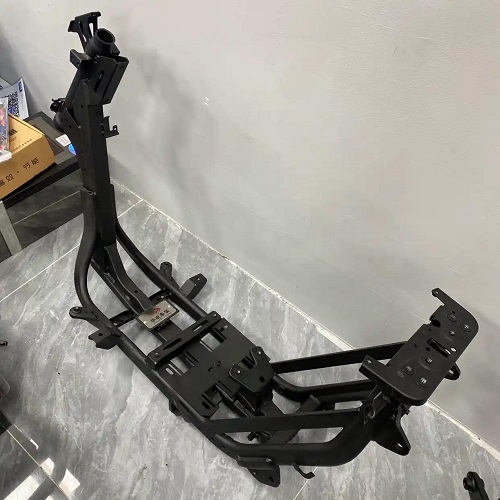
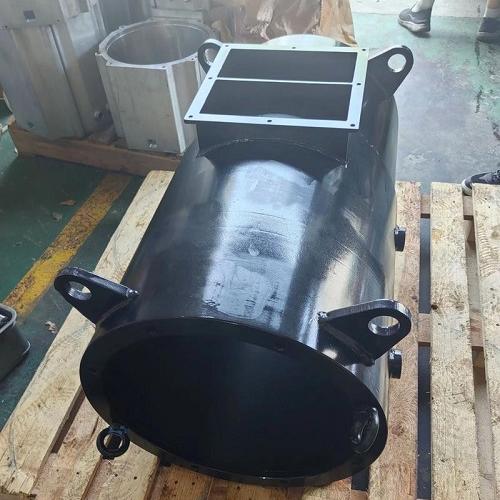
Summary Table: Cold Rolled Steel vs Stainless Steel Quick Reference
| Performance | Cold Rolled Steel | нержавіюча сталь |
| Definition | Carbon steel rolled at room temperature | Alloy steel with chromium content>10.5% |
| Corrosion resistance | Poor. Need painting/coating | Excellent. Inherent rust prevention ability |
| Intensity | High (due to work hardening) | Different from each other; May be very high (biphasic/martensitic) |
| Surface treatment | Smooth, matte, suitable for spray painting | Bright, reflective, and aesthetically pleasing |
| Magnetism | Magnetic | Austenitic grade non-magnetic; Ferrite/martensite has magnetism |
| Cost | Low to moderate | Medium to high |
| Main applications | Car body, electrical appliances, furniture | Food/medical equipment, ships, buildings |
Which one should you choose?
The three factors that make a decision cold rolled steel vs stainless steel are environment, budget, and appearance.
Choose cold-rolled steel in this situation:
Your project is running in a dry indoor environment.
You plan to spray paint or coat the final product.
The budget is tight, and you need a sturdy and precise material for the structure or hidden components.
You need a material that is easy to weld and process for mass production.
Choose stainless steel in this situation:
The product will be exposed to moisture, chemicals, or salt (outdoors, kitchen, ship).
You want a metallic appearance without the need for painting (aesthetic requirement).
Hygiene is crucial (medical or food contact surfaces).
You need specific performance, such as low temperature resistance or ultra-high hardness.
FAQ
Conclusion
Understanding the distinction between cold rolled steel vs stainless steel is essential for sourcing the right material. Cold rolled steel is the workhorse of the automotive and appliance industries, offering precision and strength at a low cost. Stainless steel is the premium choice for longevity and aesthetics in challenging environments.
By assessing your project’s need for corrosion resistance versus cost efficiency, you can confidently select the material that ensures both performance and profitability.
You can also contact us to inquire about related products and get a free quote.
 English
  Русский
  العربية
  Español
  Français
  فارسی
فارسی  繁體中文
繁體中文  O‘zbekcha
  Tiếng Việt
  Українська
  Türkçe
  ไทย
ไทย  日本語
日本語  한국어
한국어  简体中文
简体中文