
C-shaped steel
What Is C-shaped Steel?
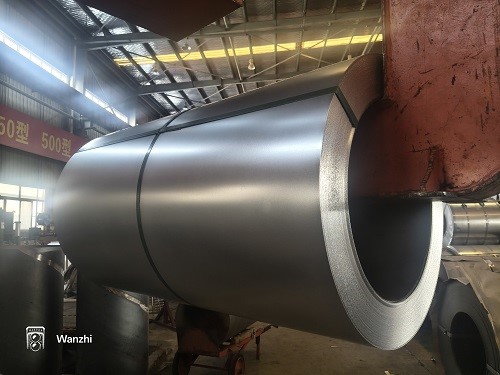
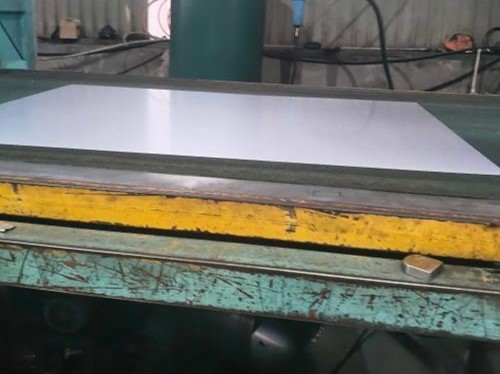
C-shaped steel (C Channel Steel, C type steel) is a lightweight steel structural profile processed through cold bending technology, with a cross-section in the shape of the letter “C”, hence it is called C-shaped steel. It is usually processed from hot-rolled, cold-rolled, or galvanized steel coils and strips through processes such as unwinding, leveling, roll forming, and cutting to length.
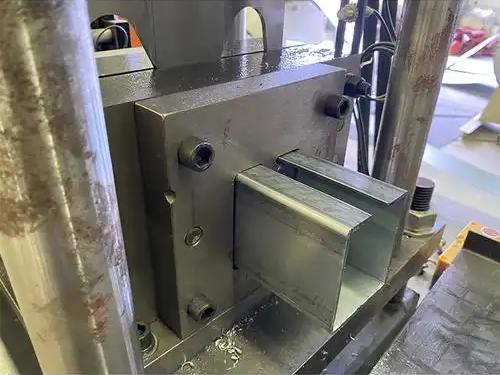
C-shaped steel is mainly composed of web, top flange, bottom flange, and lip at the edge of the flange. According to different design requirements, C-shaped steel can adopt different heights, flange widths, thicknesses, and edge sizes to meet the bearing capacity and installation requirements of different steel structure projects.
It has the advantages of light weight, high strength, easy processing, and high installation efficiency, and is widely used in industrial plants, steel structure buildings, storage facilities, roof purlins, wall studs, solar brackets, and other lightweight steel structure projects.
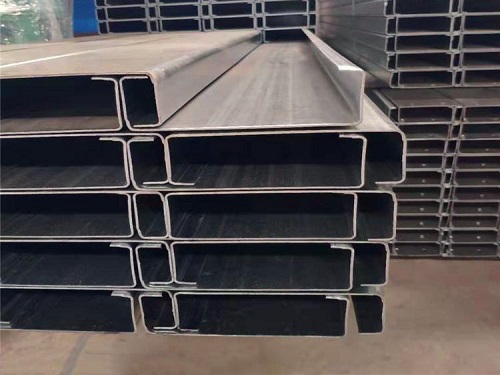
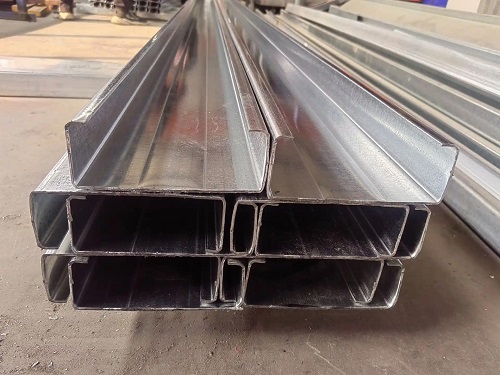
Common specifications and dimensions of C-shaped steel
The specifications of C-shaped steel are usually determined by four main parameters: web height, flange width, edge size, and steel thickness. Different specifications of C-shaped steel are suitable for different spans, loads, and structural requirements.
C-shaped steel parameter
| Item | Parameter |
| Product Name | C-shaped steel (C-type channel steel, C-shaped steel purlins) |
| Web height | 80mm ~ 300mm |
| Wing edge width | 30mm ~ 80mm |
| Curling edge | 10mm ~ 25m |
| Common thickness | 1.2mm ~ 3.0mm |
| Materials | Cold rolled steel, hot-rolled steel, galvanized steel |
| MOQ | 10 tons |
| Delivery Time | 7-15 work days |
| Payment | T/T,Paypal |
| Transport Package | Standard Seaworthy Packing |
Common materials of C-shaped steel
C-shaped steel can be produced using different grades of carbon steel or galvanized steel strips, and common materials include:
- Q235B: It has good processing and welding performance, suitable for general building steel structures and lightweight structures.
- Q355B: It has a high yield strength and is suitable for engineering projects that require high structural strength.
- S235JR: A common European structural steel grade suitable for general structural applications.
- S350GD: commonly used for cold-formed coated structural steel products, with good strength performance.
- DX51D+Z: A common combination of hot-dip galvanized steel strip grades, suitable for C-shaped steel products that require anti-corrosion coating.
The specific material should be determined based on the raw material standards, product usage, and project technical requirements.
Common surface treatments for C-shaped steel
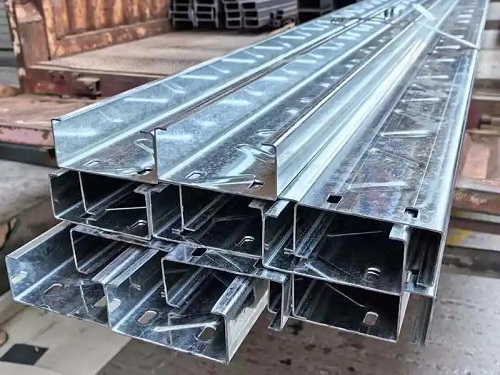
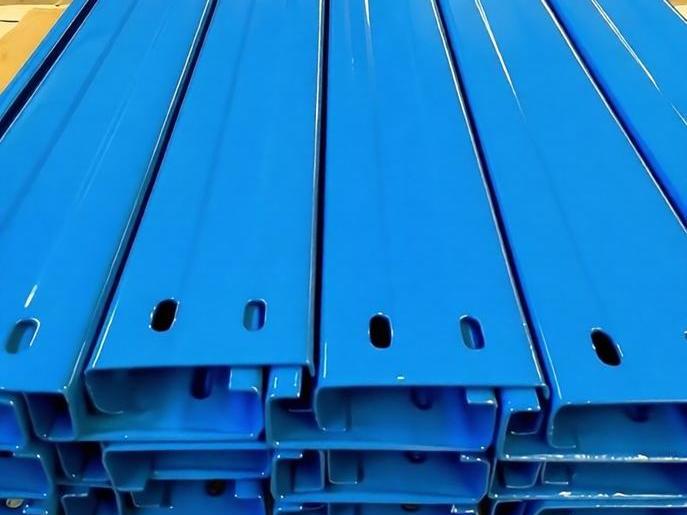
- Black C-shaped steel: The surface is not galvanized and is usually suitable for indoor structures or projects that require painting in the future.
- Hot dip galvanized C-shaped steel: with a zinc layer on the surface, it can improve the corrosion resistance of steel and is suitable for factory buildings, warehouses, and outdoor steel structures.
- Spray painted C-shaped steel: treated with primer or topcoat to improve surface protection and meet different appearance requirements.
For outdoor roof, wall purlins, and steel structure projects in humid environments, it is usually necessary to focus on the coating thickness, usage environment, and anti-corrosion requirements.
Features of C-shaped steel
C-shaped steel is widely used in the construction and industrial fields, mainly due to its advantages in cross-sectional design, production technology, and installation.
1. Lightweight and structurally efficient
C-shaped steel is produced using cold bending technology, which can reduce unnecessary material consumption while ensuring certain cross-sectional performance. Compared with some traditional hot-rolled steel sections, cold-formed C-shaped steel usually has a lighter weight per unit length, which helps to reduce the self weight of steel structures and transportation costs.
2. Reasonable cross-sectional structure and good load-bearing performance
C-shaped steel consists of a web plate, flanges, and rolled edges. Curling can improve the local stability of the wing edge and enhance the cross-sectional performance. Reasonably designed C-shaped steel can meet the load-bearing requirements of roof purlins, wall purlins, and lightweight steel structural components.
It should be noted that C-shaped steel belongs to open thin-walled sections, and its bearing capacity is also affected by factors such as local buckling, distorted buckling, and overall stability.
3. Easy to process and flexible in size
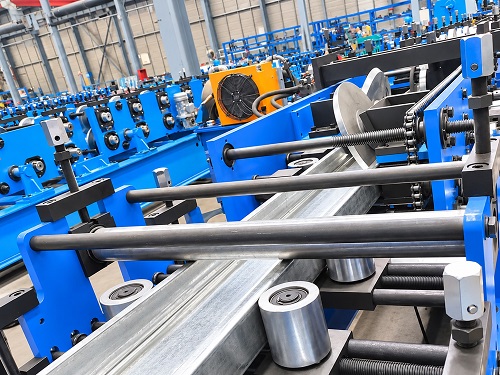
C-shaped steel adopts continuous roll forming technology, which can adjust the web height, flange width, edge size and thickness according to customer requirements.
At the same time, the product can undergo secondary processing such as cutting to length and punching, which facilitates subsequent bolt connections and on-site installation.
4. High installation efficiency
C-shaped steel has a regular cross-sectional shape, making it easy to transport, stack, and install. In steel structure engineering, it can be fixed to the main structure through bolts or other appropriate connection methods, which helps to shorten the construction period.
5. Optional anti-corrosion performance
C-shaped steel can be treated with hot-dip galvanizing or other surface treatments to improve its corrosion resistance. For building structures that are exposed to outdoor environments for a long time, choosing appropriate galvanized layers and protective measures can extend the service life of the components.
6. Good economic efficiency
C-shaped steel can select appropriate cross-sectional dimensions and thickness according to the actual needs of the project, reducing material waste. Its standardized production and convenient installation methods also help reduce overall project costs.
Applications of C-shaped steel
C-shaped steel is widely used in fields such as construction, industrial manufacturing, warehousing and logistics, and new energy. Due to its lightweight, flexible processing, and easy installation, it is particularly suitable for lightweight steel structure systems.
1. Steel Structure Buildings
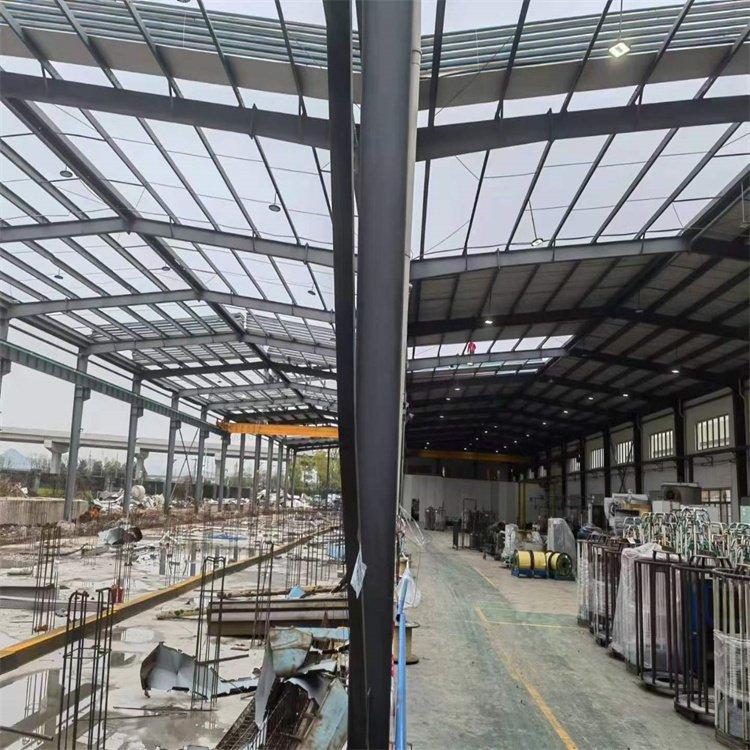
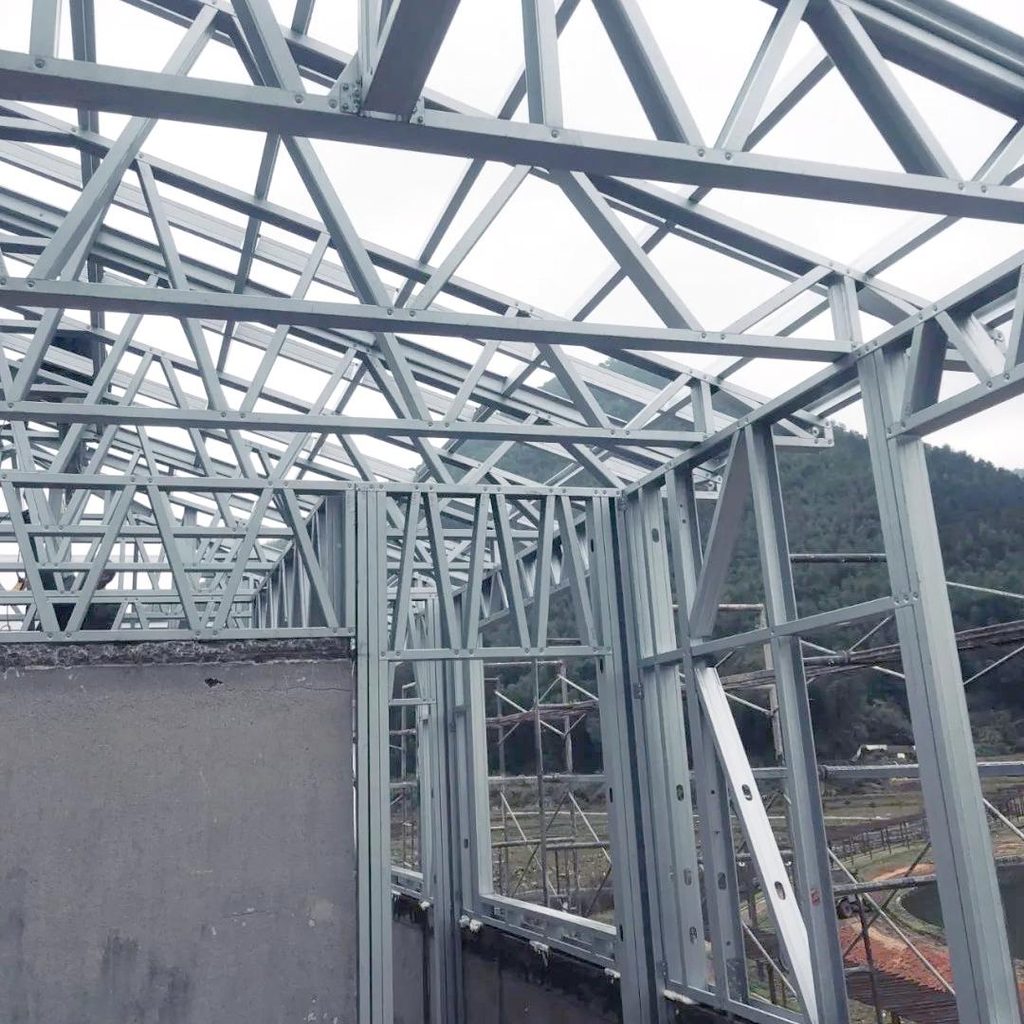
In industrial plant construction, C-shaped steel is often used as roof purlins and wall purlins, connecting main steel beams or columns to provide support for roof panels and wall cladding.
Reasonable configuration of C-shaped steel can help distribute roof and wall loads and improve the overall stability of the enclosure system.
2. Warehouses and Logistics Buildings
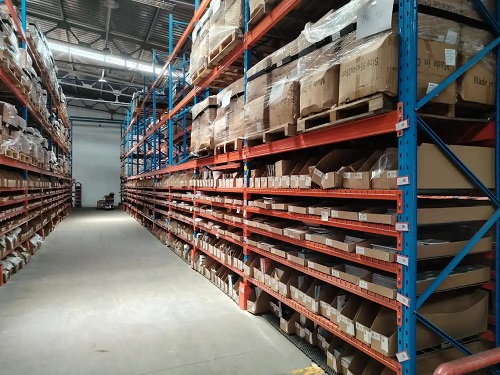
Large warehouses, logistics centers, and distribution facilities typically use steel structural systems. C-shaped steel can be used for roof support, wall purlins, and auxiliary frame structures.
By selecting appropriate specifications and lengths, it is possible to meet the installation requirements of different building spans and enclosure structures.
3. Roof and Wall Support Systems
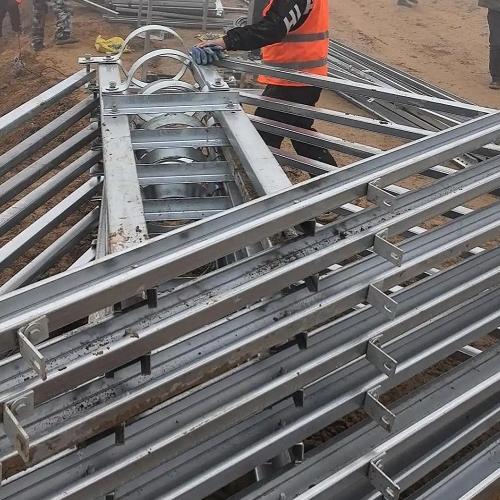
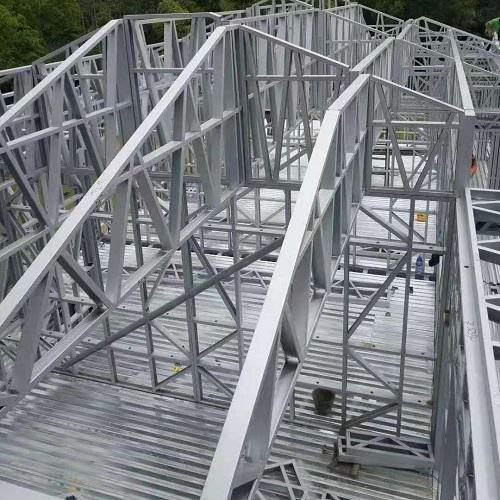
C-shaped steel is a commonly used supporting material in metal roofing and wall systems.
Its main functions include:
-Support color steel plates, profiled steel plates, and other metal roof panels.
-Fixed wall color steel plate and metal enclosure plate.
-Connect the steel structure main body with the building enclosure system.
-Provide necessary structural support for roof and wall systems.
4. Solar Mounting Systems
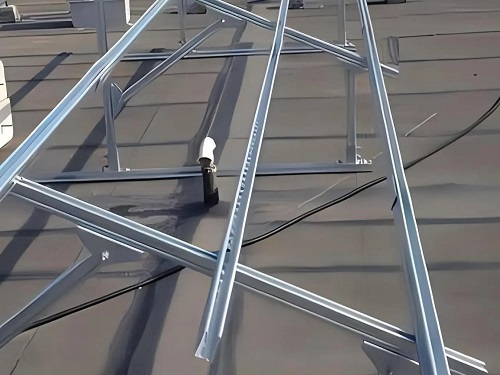
In solar photovoltaic projects, appropriately designed C-shaped steel can be used for photovoltaic brackets, purlins, and auxiliary support components.
Galvanized C-shaped steel has good corrosion resistance and can be used for some outdoor photovoltaic installation systems. Specific selection needs to consider wind load, snow load, support span, and environmental corrosion conditions.
5. Light Steel Frame Construction
In lightweight steel structure buildings, C-shaped steel can be used as wall studs, roof components, door and window opening reinforcement components, and auxiliary support materials.
Its flexible size and easy processing make it suitable for residential, commercial, and modular building projects.
6. Industrial Equipment and Machinery
C-shaped steel can also be used for industrial equipment frames, mechanical bases, conveyor support structures, and other auxiliary steel structures.
According to the weight and working conditions of the equipment, different thicknesses and cross-sectional sizes of C-shaped steel can be selected to meet the requirements of structural strength and stability
How to Choose the Right C-shaped steel
When purchasing C-shaped steel, it is not enough to only consider product price and appearance, but also to comprehensively evaluate it based on actual engineering requirements.
- Determine the specifications and dimensions
Determine the web height, flange width, bead size, and thickness according to the project design requirements. Different specifications of C-shaped steel have different cross-sectional properties, and it should be avoided to judge the bearing capacity solely based on appearance.
- Choose the appropriate steel material
Select Q235B, Q355B or other steel materials that meet the project standards according to the structural strength requirements of the project.
- Consider surface anti-corrosion treatment
If C-shaped steel is used in outdoor buildings, coastal areas, or humid environments, it is recommended to focus on the quality of the galvanized layer and anti-corrosion design.
- Check the dimensional accuracy of the product
Focus on checking the web height, flange width, steel thickness, edge size, straightness, and cutting length to ensure that the product meets the requirements of the engineering drawings.
- Choose a reliable supplier of C-shaped steel
It is recommended to prioritize manufacturers with stable raw material supply, mature cold bending equipment, and quality inspection capabilities. At the same time, suppliers can be required to provide material certification, product specification sheets, and relevant testing documents.
FAQ
Q1: What are the common specifications of C-shaped steel?
Common specifications include C80, C100, C120, C140, C150, C160, C180, C200, C250, and C300. Specific dimensions such as web height, flange width, rolled edge dimensions, and thickness can be customized according to project requirements.
Q2: What material is typically used for C-shaped steel?
Common materials include Q235B, Q355B, S235JR, and S350GD. The actual material should be determined based on the raw material standards and product application.
Q3: What is the typical thickness of C-shaped steel?
Common cold-formed C-shaped steel typically has a thickness of approximately 1.2–3.0 mm, while certain special products may adopt other thicknesses based on equipment capabilities and customer requirements.
Q4: Can C-shaped steel be customized?
Okay. C-shaped steel is typically produced using a rolling process, with manufacturers capable of customizing the web height, flange width, rolled edge dimensions, thickness, length, and punched positions according to client requirements.
Q5: What are the advantages of galvanized C-channel steel?
Galvanized C-channel steel features a zinc coating that protects against corrosion, enhancing durability in outdoor environments. It is commonly used in steel structure factories, warehouses, roof supports, and photovoltaic brackets.
Q6: How to calculate the weight of C-shaped steel?
The theoretical weight of C-shaped steel can be calculated based on the cross-sectional area and the density of the steel:
W = A x 7.85
among which:
- W: Theoretical weight (kg/m)
- A: Sectional area (cm ²)
- 7.85: Conversion factor for theoretical density of carbon steel
The actual weight should be calculated based on specific cross-sectional dimensions, thickness, rounded corners, and production processes.
 English
 Русский
 العربية
 Español
 Français
 فارسی
 繁體中文
 O‘zbekcha
 Tiếng Việt
 Українська
 Türkçe
 ไทย
 日本語
 한국어