
On October 20, 2026, we shipped 120 tons of tin free steel (TFS) to a distributor in Bolivia. It does not sound unusual until you learn it was their eighth order with us since April 2025, and that the relationship began with a sample worth just $53. This post walks through that growth, the product that holds it together, and why repeat orders like this matter more than any single shipment.
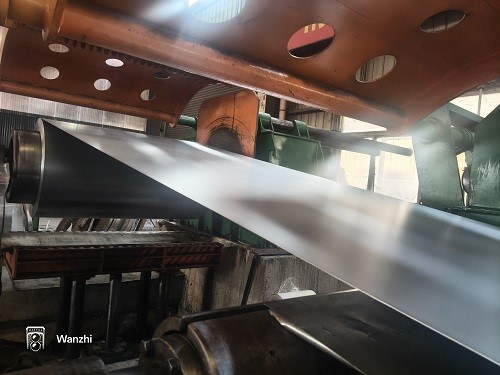
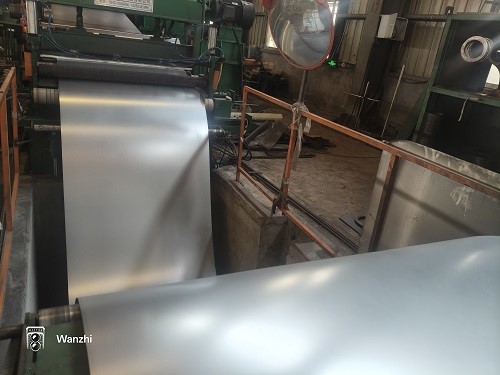
1. The Shipment That Closed Out Order Eight
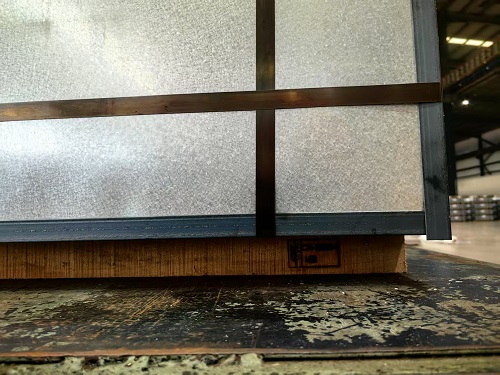
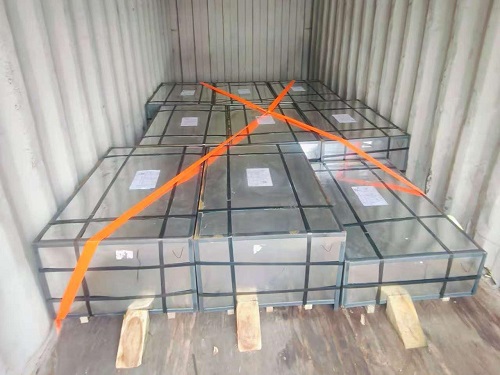
On October 20 we loaded 120 tons of TFS and sent it toward Bolivia. For most suppliers that is a routine booking. For us it closed the customer’s eighth purchase order in roughly eighteen months.
The buyer is a Bolivian trading company. They resell within the country’s metal-packaging chain, mainly to can makers and food processors around Santa Cruz. Eight orders in eighteen months works out to about one every two months, a healthy cadence for a distributor building stock.
Order eight at a glance
- Product: tin free steel (TFS / chrome-plated steel)
- Volume: 120 tons
- Ship date: October 20, 2026
- Position: 8th order since April 2025
- Channel: distributor, not end user
The full Chrome Plate Steel product page covers the specs we held to across all eight runs.
2. From $53 to Six Figures
The first contact came in April 2025. The buyer asked for a sample. The invoice total was $53.
That is the kind of order most mills would process and forget. We treated it as the start of a relationship, sent the material, and waited. The next order was larger. Then larger again. By order eight, a single shipment runs past $100,000.
The numbers behind the growth
- Order 1 (Apr 2025): $53 sample
- Orders 2-7: steady step-ups in tonnage
- Order 8 (Oct 2026): 120 tons, $100,000+
A 2,000x jump in order value is not luck. It is what happens when a distributor tests a supplier on a small batch, confirms the steel performs on their line, and then commits real volume.
Why a trader scales this way
Traders do not gamble on unproven mills. They qualify a source with a sample, prove it to their own customers, then scale. Our job was to make every batch consistent enough that scaling felt safe.
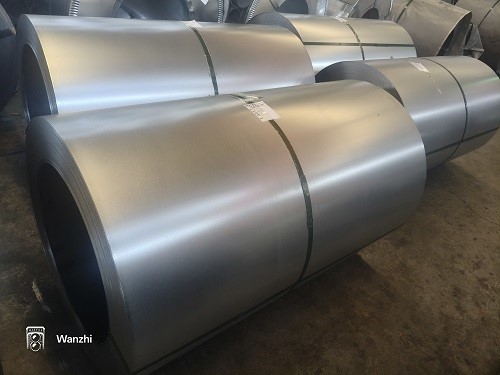
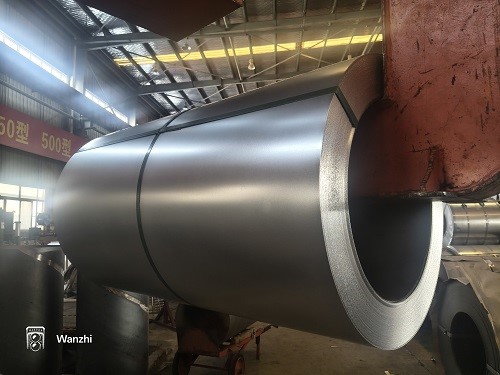
3. A Distributor, Not an End User
Understanding this customer means understanding their role. They are a trader, not a can factory.
What a trader actually buys
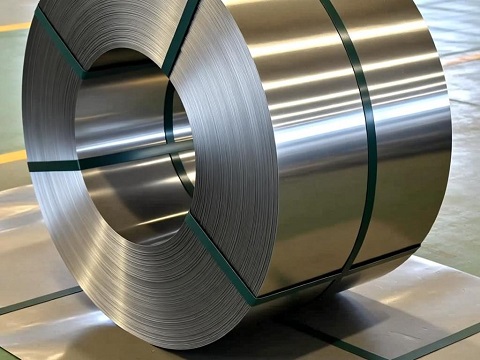
They buy coil and sheet, hold it in stock, and sell it onward to converters who stamp it into cans, ends, and crown caps. Their reputation rides on whether the next delivery matches the last one. A single off-spec batch can sour relationships they spent years building.
The two-month rhythm
Their pattern is striking: by the time one order ships, the next is often already signed with a deposit paid. Sometimes the new contract lands before the previous containers have even left port.
That rhythm only works if lead times are predictable and quality is stable. A trader cannot promise their own customers steady supply if the upstream mill keeps them guessing.
4. The Product That Binds Them: Tin Free Steel
Every one of the eight orders has been TFS. So what is it, and why does a Bolivian trader keep coming back for it?
What tin free steel actually is
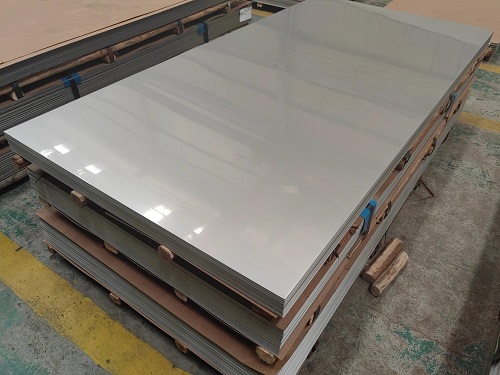
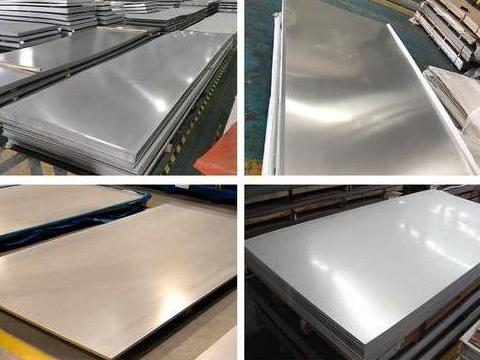
Tin free steel, also called chrome-plated steel or ECCS, is cold-rolled low-carbon steel coated with a thin duplex layer of metallic chromium and chromium oxide. It was developed as a lower-cost alternative to tinplate and now anchors much of the world’s can-end and crown-cap production. Our TFS product page explains the coating structure in detail.
Why tin free steel suits a Bolivian can maker
Bolivia’s can market is import-led, with food and beverage uses making up roughly 75-85% of consumption. TFS gives local converters a material that prints well, resists sulfur in fish and meat packs, and costs less than tinplate. For a price-sensitive, freight-penalized market, those points matter.
We covered the tinplate vs TFS comparison on our tinplate page if you want the spec differences.
5. Why They Keep Coming Back
Plenty of mills can quote TFS. Fewer can hold a trader’s trust across eight orders.
Consistency order after order
The trait this buyer values most is repeatability. Same coating weight, same temper, same surface, shipment after shipment. Our Nigeria TFS export case shows the same discipline applied on a different continent.
Quality they can verify
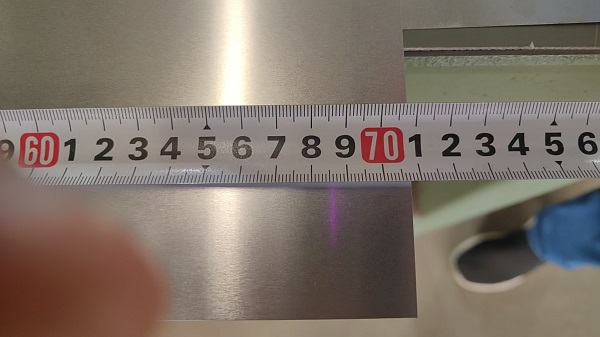
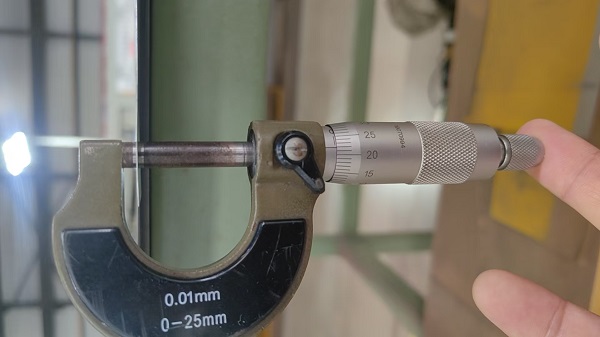
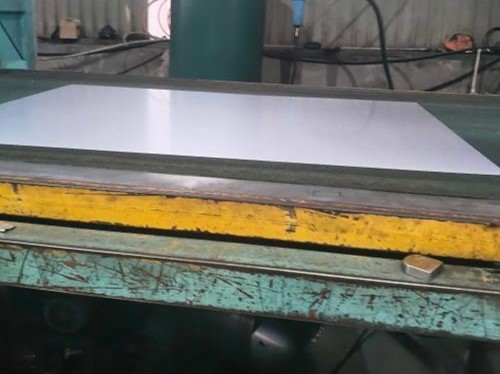
We run thickness, coating, and surface checks, and we welcome third-party inspection. A distributor who cannot be at the mill needs documentation they can show their own buyers. That paper trail is part of the product.
Bolivia’s broader steel market is growing near 4% a year, so a supplier who ships on time matters more than ever.
6. Bolivia’s Packaging Steel in Context
It helps to see why a Bolivian trader matters at all.
An import-led can market
Domestic converting exists but is narrow, centered on Santa Cruz and Cochabamba. Most tinplate and TFS still arrives by land from Chilean or Brazilian ports, adding 10-25% to landed cost. Distributors absorb that penalty by holding safety stock and locking supply early.
Why local distributors win
Because clearance can stall on currency and import controls, buyers reward distributors who keep shelves full. That is exactly the role our customer plays, and exactly why they need a mill that will not let a shipment slip.
Canned fish and preserved fruit are genuine Bolivian agro-output, so demand for can stock is structural, not a fad. Organizations like the World Food Programme rely on shelf-stable canned food for exactly this kind of regional food security.
7. What This Means for Other Buyers
If you are a distributor evaluating a TFS source, this customer’s path is a template.
Start with a sample. Prove the steel on your line. Then scale only as far as your own customers will absorb. The supplier’s job is to make each step feel safe, which means stable specs, clear mill certificates, and predictable lead times.
We have shipped TFS to multiple markets and documented the coil features and applications so buyers can match grades to their can lines before they commit.
8. FAQ
What is tin free steel used for?
Mainly can ends, crown caps, food cans, aerosol domes, and chemical containers. Its chromium oxide layer bonds well with lacquer and printing inks.
Is TFS the same as tinplate?
No. Both start from the same cold-rolled base, but TFS uses chromium instead of tin. It costs less and adheres better to coatings, though it cannot be soldered.
Why would a Bolivian buyer choose TFS?
It is cheaper than tinplate, prints cleanly, and resists sulfur in fish and meat packs, all useful in an import-led, price-sensitive market.
How many orders has this customer placed?
Eight, from April 2025 through the 120-ton shipment on October 20, 2026.
Can Wanzhi handle third-party inspection?
Yes. We support customer-commissioned inspection and provide mill test certificates with every order.
9. Conclusion
The $53 sample in April 2025 did not predict a 120-ton shipment twenty months later. But that is how trust compounds in steel exporting: one consistent batch at a time.
If you are sourcing TFS and want a supplier measured by repeat orders rather than pitches, start with a sample.
Contact Wanzhi Steel:
- Email: [email protected]
- WhatsApp: +86-18736065220
- Website: www.wanzhisteels.com
 English
 Русский
 العربية
 Español
 Français
 فارسی
 繁體中文
 O‘zbekcha
 Tiếng Việt
 Українська
 Türkçe
 ไทย
 日本語
 한국어
 简体中文