
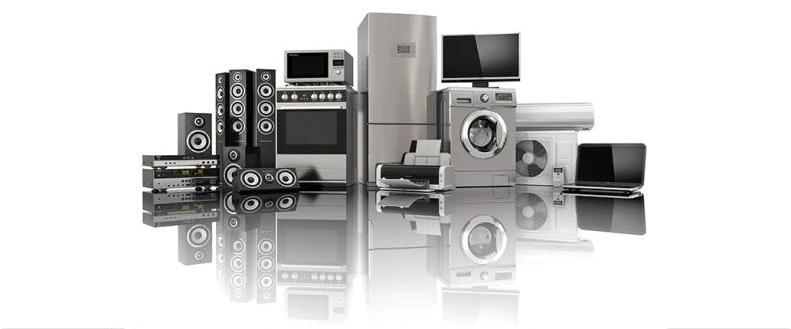
Galvanized steel sheet is one of the most common metal materials used in the manufacture of home appliances such as refrigerators, washing machines, air conditioners, and microwave ovens. It not only determines the product’s corrosion resistance, appearance quality, and lifespan, but also directly affects manufacturing costs and subsequent coating effects.
Currently, the two most commonly used types of galvanized steel in the home appliance industry are SGCC hot-dip galvanized steel sheet and SECC electro-galvanized steel sheet. Although both are galvanized steel, they differ significantly in production processes, coating thickness, corrosion resistance, surface smoothness, and application locations.
So, which is more suitable for home appliance manufacturing: SGCC or SECC?
What is SGCC Galvanized Steel?
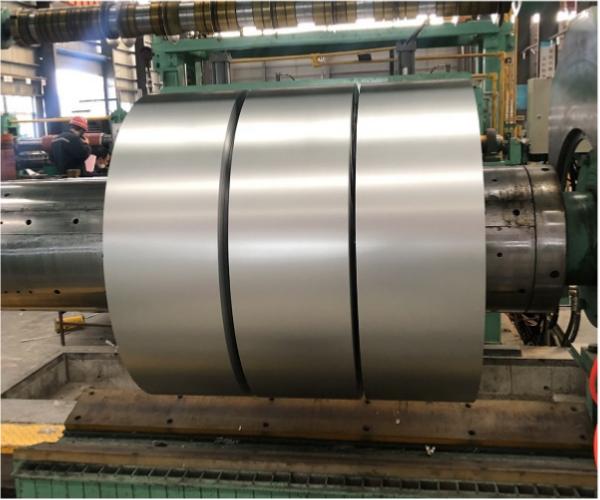
SGCC (Steel Galvanized Commercial Cold Rolled) is a type of hot-dip galvanized steel sheet defined in Japanese Industrial Standard JIS G3302. It typically uses cold-rolled steel (such as SPCC) as the base material, and then forms a zinc protective layer through a continuous hot-dip galvanizing process.
During the production process, the steel sheet is immersed in molten zinc, resulting in a thick zinc layer on the surface, thus providing excellent rust resistance.
Features of SGCC:
High corrosion resistance
Thicker zinc coating for longer lifespan
Suitable for humid environments
Relatively low cost
Suitable for internal structural components of household appliances
What is SECC galvanized steel?
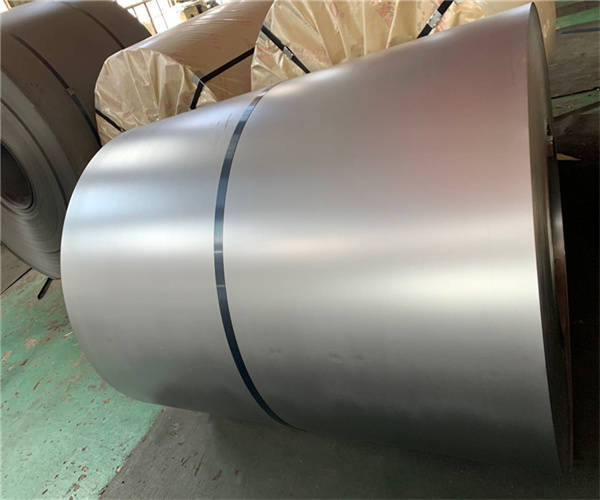
SECC (Electro-Galvanized Cold Rolled Steel) is an electro-galvanized steel sheet defined in Japanese standard JIS G3313. It uses an electrolytic process to deposit a uniform zinc layer on the surface of cold-rolled steel.
Unlike SGCC, SECC has a thinner zinc layer but a more uniform and smoother surface, making it widely used in household appliance components where painting, stamping, and aesthetic requirements are high.
Features of SECC:
Smooth and flat surface
Better coating adhesion
Suitable for precision stamping
Superior appearance
More suitable for visible casings
SGCC vs SECC Galvanized Steel Parameter performance
| مشروعنا | SGCC | SECC |
| معيار | JIS G3302 | JIS G3313 |
| Galvanizing Method | Hot-Dip Galvanized | Electro-Galvanized |
| Zinc Plating | Z30~Z275 g/m² (Thicker) | Z10~40 g/m² (Thinner) |
| Corrosion Resistance | Stronger | Medium |
| سماكة | 0.12~3.2 mm | 0.4~2.3 mm |
| Surface Condition | Common Spangle / Small Spangle / Spangle-Free (Slightly Rough) | Smooth, Uniform, No Obvious Spangles (Smooth and Flat) |
| Coating Performance | Good | Excellent |
| الركيزة | Cold-Rolled Steel (SPCC) | Cold-Rolled Steel (SPCC) |
| Forming Performance | Good | More Suitable for Precision Stamping |
| Appearance | Industrial | High-End |
| Cost | Lower | Higher |
| Typical Applications | Internal Structural Components | Exterior Panels |
Comparison of corrosion resistance
In terms of rust prevention, SGCC is significantly superior to SECC.
This is because SGCC typically has a thicker hot-dip galvanized layer, forming stronger sacrificial anode protection, thus exhibiting greater stability in humid kitchens, bathrooms, and other high-humidity environments.
While SECC also offers corrosion resistance, its thinner zinc layer usually requires additional spraying or powder coating protection in high-humidity environments.
Surface quality and appearance differences
For appliance exterior components, SECC is generally more advantageous. SECC uses electroplating to form a uniform zinc layer, therefore:
SECC GI Steel has a smoother surface.
It is easier to powder coat and paint.
It is less prone to zinc spangle patterns.
And it is more suitable for high-end appliance designs.
In contrast, SGCC may have noticeable zinc spangles and is slightly less smooth.
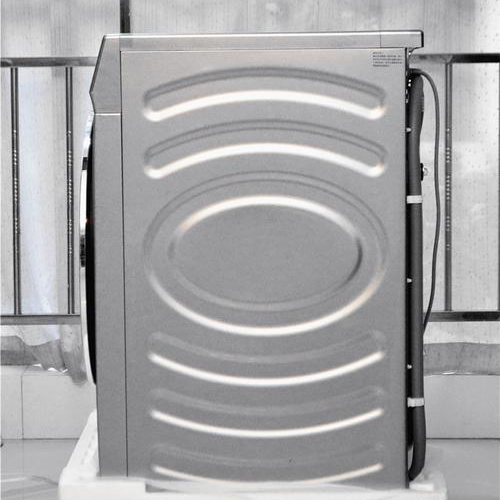
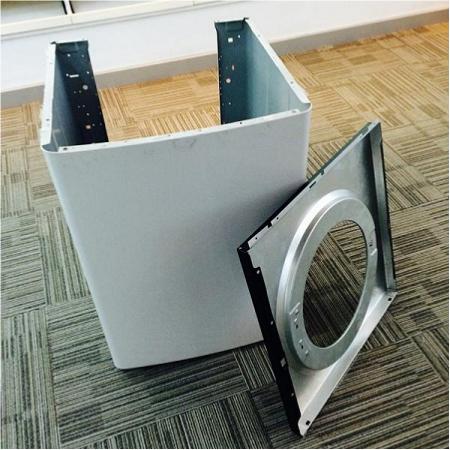
Spraying and Processing Performance
In terms of coating performance, SECC is favored by home appliance manufacturers.
Its uniform surface provides:
better coating adhesion.
more uniform color effect.
higher coating consistency.
Therefore, many high-end refrigerator, washing machine, and microwave oven panels prioritize the use of SECC.
Cost Comparison
In terms of cost-effectiveness, SGCC has a greater advantage.
Due to the high efficiency of continuous hot-dip galvanizing production and its widespread industrialization, SGCC is often more economical and is therefore commonly used in:
Internal frames of home appliances
Base and rear plates
Strengthening structural components
SECC, on the other hand, typically has a higher unit cost due to its higher process precision.
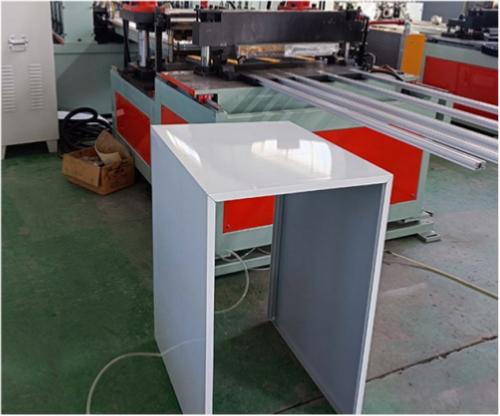
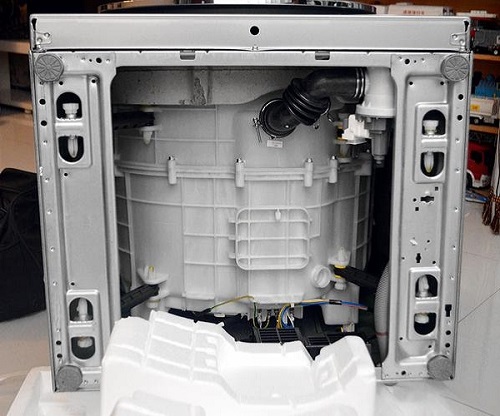
Applications of SGCC and SECC in the home appliance industry
Refrigerator
SGCC: Back panel, bottom panel, corrosion-resistant support structure
SECC: Door panel, visible decorative panel
Washing Machine
SGCC: Internal frame, rust-resistant structural components
SECC: Outer casing, visible cover
Air Conditioner
SGCC: Outdoor unit casing (high corrosion resistance requirements)
SECC: Indoor unit decorative panel
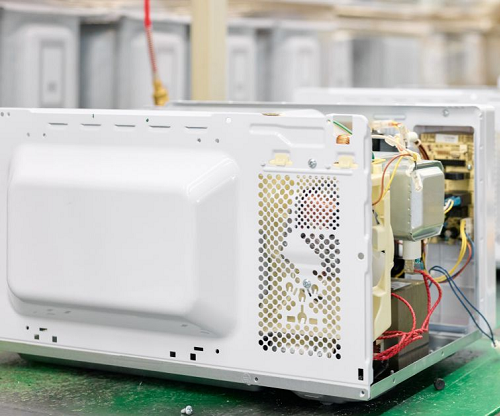
Microwave Oven
SGCC: Internal shielding structure
SECC: External metal casing
In fact, modern home appliances often use a “SGCC + SECC combination solution,” that is: SGCC is used for internal corrosion protection, and SECC is used for external aesthetics. This ensures durability while also considering product appearance and cost control.
How to Choose: SGCC or SECC?
When choosing SGCC:
Higher corrosion resistance
Lower procurement cost
Suitable for use in humid environments
Internal structural components of home appliances
When choosing SECC:
Better surface quality
Superior coating effect
High-end exterior components of home appliances
Precision stamping
In conclusion
In comparing SGCC vs SECC galvanized steel used in home appliance manufacturing, neither is inherently superior; rather, they each have their strengths: SGCC emphasizes corrosion resistance, cost-effectiveness, and structural strength, making it more suitable for internal protective components. SECC emphasizes appearance, smoothness, and paintability, making it more suitable for visible casings and high-end panels.
For most home appliance manufacturers, the optimal approach is usually a hybrid approach: utilizing SGCC for durability and SECC for aesthetic quality, thus achieving the best balance between cost, performance, and aesthetics.
 English
  Русский
  العربية
  Español
  Français
  فارسی
فارسی  繁體中文
繁體中文  O‘zbekcha
  Tiếng Việt
  Українська
  Türkçe
  ไทย
ไทย  日本語
日本語  한국어
한국어  简体中文
简体中文