Blog

Comparison of PE vs SMP vs HDP vs PVDF coatings and color-coated steel coils.

PE vs SMP vs HDP vs PVDF: Coating Guide 2026

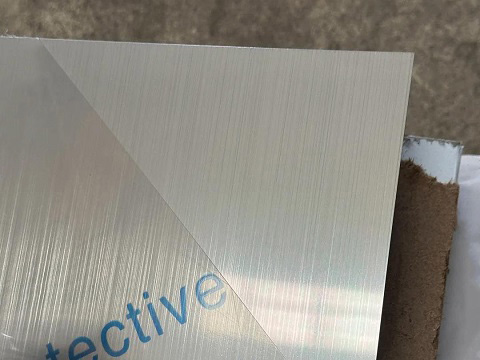
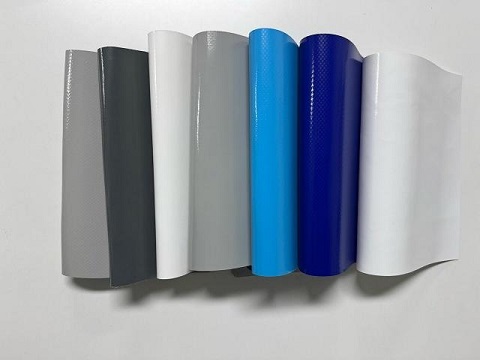
Specifying the wrong coating on a color coated steel project is rarely a visible mistake on day one — but it is an expensive one by year five. A roof that chalks white under the sun, a façade that fades to a patchy, uneven tone, a wall panel that cracks along the bend after a cold winter: these are the classic symptoms of a coating chosen for price instead of environment. If you are weighing PE vs SMP vs HDP vs PVDF, you are already asking the right question. The difference between these four resin systems decides whether your building still looks new at year three or at year twenty-three […]

PE vs SMP vs HDP vs PVDF: Coating Guide 2026 続きを読む »

Directly supplied by galvanized corrugated board floor support plate production factory

Galvanized Corrugated Steel Sheet Procurement Guide 2026

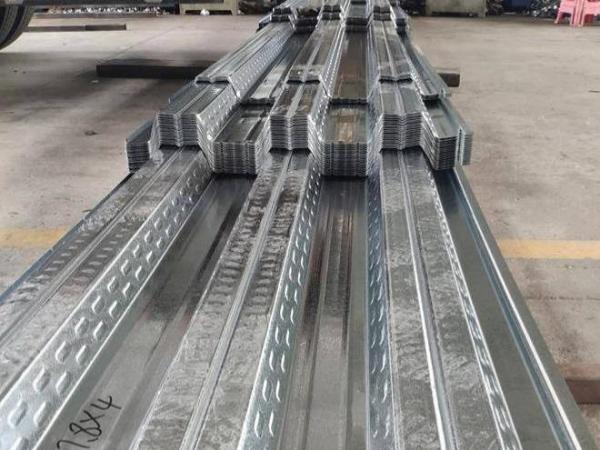
The global galvanized corrugated steel sheet market hit USD 25.37 billion in 2025 and is projected to reach USD 32.98 billion by 2032, growing at a 3.82% CAGR. Whether you are a contractor sourcing roofing materials for a large-scale infrastructure project or a distributor building a regional supply chain, navigating the procurement of galvanized corrugated steel sheets can be overwhelming. Specifications vary widely across standards. Supplier quality is inconsistent. And a single mistake in zinc coating selection can turn a profitable project into a maintenance nightmare. This procurement guide breaks down everything international B2B buyers need to know—from technical specs and international standards to supplier evaluation, quality inspection, and cost

Galvanized Corrugated Steel Sheet Procurement Guide 2026 続きを読む »

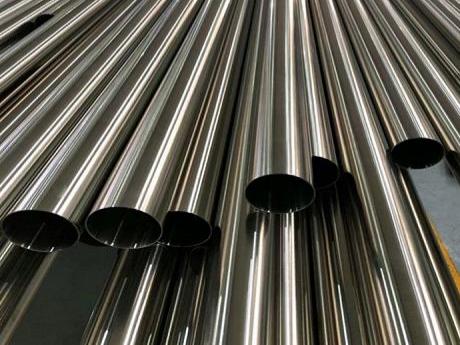
Stainless steel chemical pipelines

316L Stainless Steel Pipe for Chemical Industry

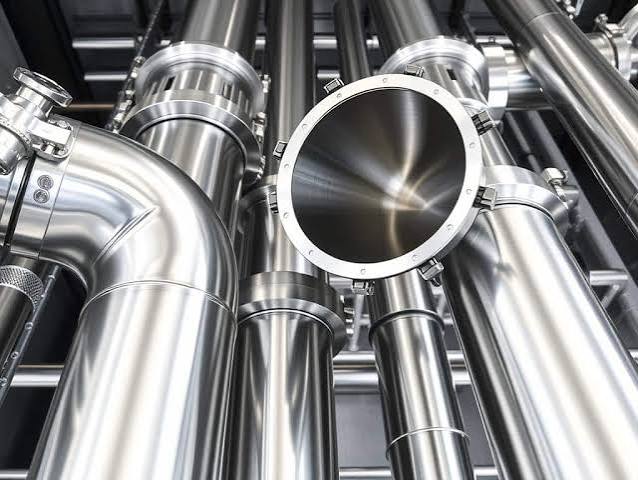
The chemical industry requires piping systems that can withstand highly corrosive media, elevated temperatures, pressure fluctuations, and continuous operation. 316L stainless steel pipe for chemical industry is widely recognized as one of the most reliable piping materials due to its superior corrosion resistance, excellent weldability, and long service life. Compared with standard stainless steel grades, 316L stainless steel pipe contains molybdenum (Mo), which significantly improves resistance to chloride corrosion, pitting corrosion, and chemical attack. It is commonly used in chemical processing plants, pharmaceutical facilities, petrochemical projects, and industrial fluid transportation systems. What Is 316L Stainless Steel Pipe? 316L stainless steel pipe is a low-carbon version of 316 stainless steel and

316L Stainless Steel Pipe for Chemical Industry 続きを読む »

316L stainless steel seamless pipe, food grade steel pipe

Stainless Steel for Food Processing | SS 304/316 Supplier

Stainless Steel for Food Processing | SS 304/316 Supplier The food processing industry demands materials that are hygienic, corrosion-resistant, durable, and easy to clean. Stainless steel is the undisputed gold standard for food processing equipment. From food preparation and storage to transportation and packaging, stainless steel for food processing has become the preferred material due to its outstanding mechanical properties and excellent sanitary performance. As a certified food-grade stainless steel manufacturer in China, Wanzhi Steel supplies 304/304L, 316/316L and 430 stainless steel sheet, coil, pipe, and bar that meet FDA, NSF/ANSI 51, and 3-A Sanitary Standards, with surface finishes achieving Ra ≤ 0.8 μm for hygienic food-contact applications. Whether manufacturing

Stainless Steel for Food Processing | SS 304/316 Supplier 続きを読む »

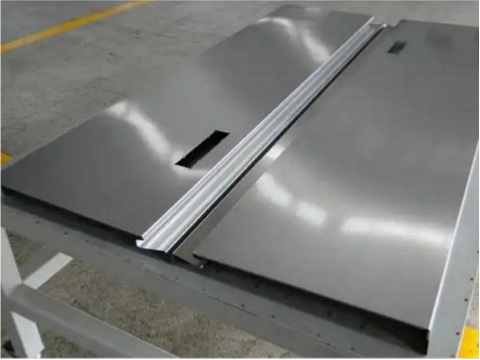
SGCC vs SECC Galvanized Steel for Home Appliances

SGCC vs SECC Galvanized Steel for Home Appliances

Galvanized steel sheet is one of the most common metal materials used in the manufacture of home appliances such as refrigerators, washing machines, air conditioners, and microwave ovens. It not only determines the product’s corrosion resistance, appearance quality, and lifespan, but also directly affects manufacturing costs and subsequent coating effects. Currently, the two most commonly used types of galvanized steel in the home appliance industry are SGCC hot-dip galvanized steel sheet and SECC electro-galvanized steel sheet. Although both are galvanized steel, they differ significantly in production processes, coating thickness, corrosion resistance, surface smoothness, and application locations. So, which is more suitable for home appliance manufacturing: SGCC or SECC? What is

SGCC vs SECC Galvanized Steel for Home Appliances 続きを読む »

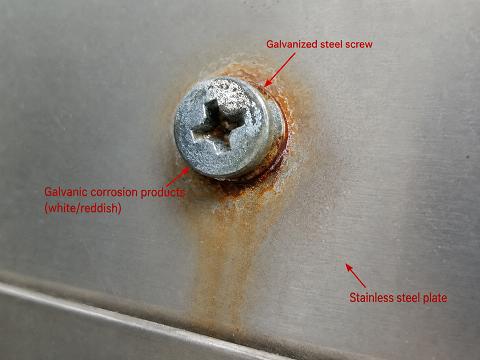
Galvanic corrosion occurs when stainless steel & galvanized steel screws come into contact.

Can stainless steel & galvanized steel be mixed?

In engineering, stainless steel & galvanized steel (mainly austenitic stainless steel such as 304/316 & hot-dip galvanized HDG) often appear in the same structure. Stainless steel panels are fixed with galvanized brackets, galvanized bolts are screwed into stainless steel components, and stainless steel bolts are used to connect galvanized steel purlins, etc. However, a new question arises at this point: can stainless steel and galvanized carbon steel be used in direct contact? The answer is: it can be done in most conventional building environments, but there is a risk of Contact corrosion under specific conditions, and insulation isolation measures need to be taken. In fact, the contact between stainless steel

Can stainless steel & galvanized steel be mixed? 続きを読む »

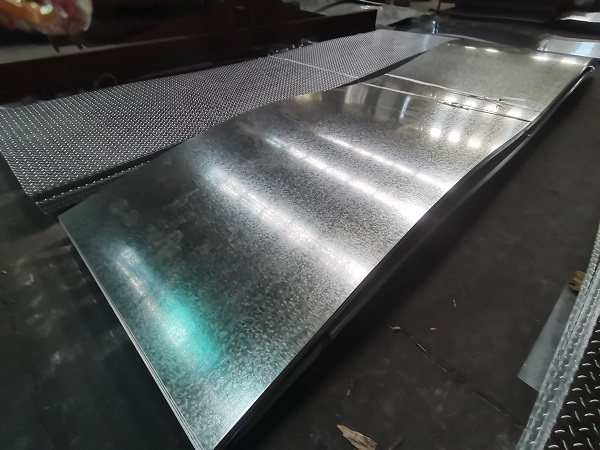
Why does galvanized steel rust Galvanized steel plates are rust resistant

Why does galvanized steel rust? 4 common reason and what do

Many people believe that galvanized steel will never rust because it has a protective zinc coating. However, in certain environments, galvanized steel can indeed rust. Understanding the reasons behind this can help you choose materials and maintain the steel more effectively. Below, we’ll explain in simple terms why galvanized steel can rust and how to address it. I. The Rust Prevention Principle of Galvanized Steel Before explaining why rust forms, let’s briefly understand why galvanized steel is rust-resistant. Zinc is more reactive than iron. When the coating is intact, zinc preferentially reacts with oxygen and water to form a dense zinc oxide or basic zinc carbonate film, preventing the internal

Why does galvanized steel rust? 4 common reason and what do 続きを読む »

Grain-oriented electrical steel silicon steel sheets, slitting and cutting, complete specifications.

Electrical steel – Basic material for modern energy economy

Electrical steel, also known as silicon steel sheet, is a soft magnetic alloy of silicon and iron with extremely low carbon content. The efficiency of the vast number of motors, transformers, and generators produced globally each year directly depends on the quality of electrical steel. Simply put, without electrical steel, there would be no modern power system. It is considered the “crown jewel” of the steel industry and an important benchmark for measuring a country’s level of special steel production. I. What is Electrical Steel? The core function of electrical steel is to minimize energy loss during the conversion between electrical and mechanical energy. It needs to possess extremely high

Electrical steel – Basic material for modern energy economy 続きを読む »

H-beam vs I-beam detailed comparison guide

H-Beam Vs I-Beam: What’s the Difference?

H-beam vs I-beam are the two most common types of structural steel, often compared together by designers, engineering contractors, and project owners. Although the two have similar appearances, there are significant differences in cross-sectional shape, mechanical properties, load-bearing capacity, and application scenarios. Section shape: The fundamental difference between H-beam vs I-beam The cross-sectional shape of H-beam is H-shaped, with wide and thick flanges, parallel inner and outer surfaces, and a middle web connecting the upper and lower flanges. The overall cross-section is close to a square. Due to the close width of the flange and the height of the section, H-beams exhibit excellent stability when subjected to bi-directional loads. The

H-Beam Vs I-Beam: What’s the Difference? 続きを読む »

Cold rolled steel for appliances manufacturing, CRC Steel for appliances

Cold rolled steel for appliances: advantages, grades and purchasing

Cold rolled steel is everywhere around us. When you open the refrigerator or start the washing machine, the key material behind it that makes it strong, beautiful, and durable is cold-rolled steel. There is a clear consensus among global home appliance manufacturers that cold-rolled steel coils (CRC) are undoubtedly the behind the scenes heroes. This material perfectly combines form and function, and is an indispensable core of modern high-quality home appliances. What is cold rolled steel? Cold rolled steel is a type of steel produced by further processing hot-rolled steel coils at room temperature. This’ cold working ‘process involves passing steel through rollers to achieve: The final result is a

Cold rolled steel for appliances: advantages, grades and purchasing 続きを読む »