Blog

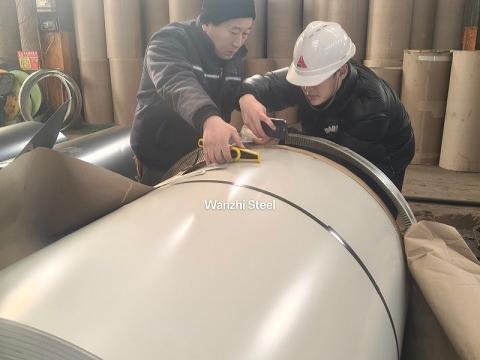
Lebanese customer's color coated steel coil SGS inspection

SGS inspection for Lebanese customer product

Background: Why do Lebanese customers insist on SGS inspection? Customer Requirement: Beirut Seaside Commercial Complex Project requires color coated steel plates to withstand salt spray for at least 1000 hours and HDP coating to maintain color for 15 years. Industry pain point: “Low price and low-quality” steel coils are common in the Middle East market, and customers have suffered losses exceeding $350000 due to supplier data fraud. Anti paint peeling test Surface inspection Thickness detection Decryption of the factory inspection process The Lebanese customer purchased 2000 tons of HDP print PPGL steel coils, including two colors, RAL5015 and RAL9003. When our factory was about to complete the production of this

SGS inspection for Lebanese customer product 続きを読む »
Q235A and Q235B-Wholesale Wear resistant HRC Q235B Steel coils - Factory shipping Affordable prices

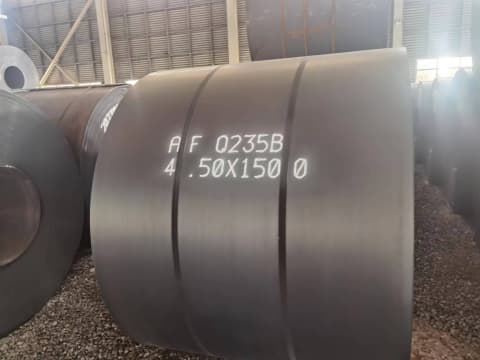
Q235A And Q235B Carbon Steel Ultimate Guide & pit Avoidance

Q235A and Q235B are both called Q235. Q235 is a very common ordinary carbon structural steel with a stable yield strength of around 235MPa. It is one of the most widely used steels and plays an important role in many industrial and civilian fields. So what is the difference between Q235A and Q235B? This article will analyze and introduce from the aspects of composition, performance, and application. Q235A and Q235B Quick Reference Table Q235A has moderate strength, good plasticity and toughness, good welding performance, and is easy to process and shape. Q235B Compared with Q235A, it is more stable in quality. The sulfur and phosphorus content is more strictly controlled,

Q235A And Q235B Carbon Steel Ultimate Guide & pit Avoidance 続きを読む »

Is Galvalume superior to galvanized in all conditions

Is Galvalume superior to galvanized in all conditions

The corrosion resistance of aluminum zinc coated coils (such as 55% aluminum zinc alloy, commonly known as Galvalume) is superior to that of ordinary galvanized coils (pure zinc coating) in most environments, but not all environments are suitable. Its advantages and limitations need to be analyzed in conjunction with specific corrosion conditions. Comparison of Corrosion Resistance with Galvalume vs Galvanized Environment Type Aluminum Zinc (AZ/GL) Galvanized (GI) performance Conclusion Neutral/alkaline atmosphere The oxide film of aluminum (Al ₂ O3) is dense and stable, with excellent corrosion resistance Sacrificial protection of zinc layer, but faster corrosion rate AZ is significantly better than GI Weak acid environment (pH 4-6) Aluminum film partial

Is Galvalume superior to galvanized in all conditions 続きを読む »

ral 6027 PVDF Coating Steel roofing board

PVDF vs SMP Coating: Which is Better for Roofing?

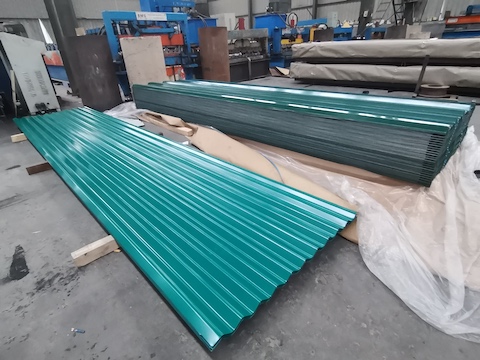
PVDF vs SMP Coated Roof Definition PVDF Coated Steel PVDF (polyvinylidene fluoride) coating is a high-performance, pre-painted steel sheet containing at least 70% PVDF resin. High-temperature baking forms a dense protective layer, specifically designed for roofs used in extreme climates. SMP Coated Steel SMP (silicone modified polyester) coating is a modified polyester pre-painted steel sheet containing silicone resin. It offers a lower cost and is suitable for industrial/agricultural roofs used in short- to medium-term applications. PVDF vs SMP Coating Performance Comparison Features PVDF Coating SMP Coating Weather Resistance Extreme (25+ years, ΔE

PVDF vs SMP Coating: Which is Better for Roofing? 続きを読む »

18-0 stainless steel coil 430 ss steel No.4 Finish

Analysis of Common Problems for Stainless Steel

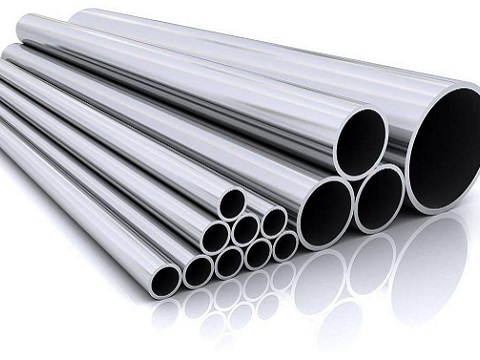
Analysis of Common Problems for Stainless Steel CATALOG Definition of Stainless Steel Stainless steel, also known as stainless acid-resistant steel, water-copper iron, and in Taiwanese, white iron, is a high-chromium alloy steel that remains passive, corrosion-resistant, and rust-proof in the atmosphere and in corrosive media such as acids, alkalis, and salts. It typically contains other elements such as nickel, molybdenum, vanadium, manganese, and tungsten. Chromium is the most important metallic element in determining stainless steel’s rust resistance. It achieves its “rustproof” properties by forming a dense passive film of chromium oxide (Cr₂O₃) on its surface, which isolates it from corrosive media. This passive film is self-repairing if damaged, but chloride

Analysis of Common Problems for Stainless Steel 続きを読む »

Galvanized Steel Guide: Analysis of key issue gi steel coil

Galvanized Steel Guide: Analysis of key issue

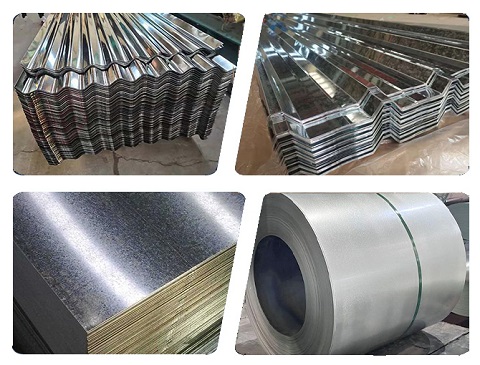
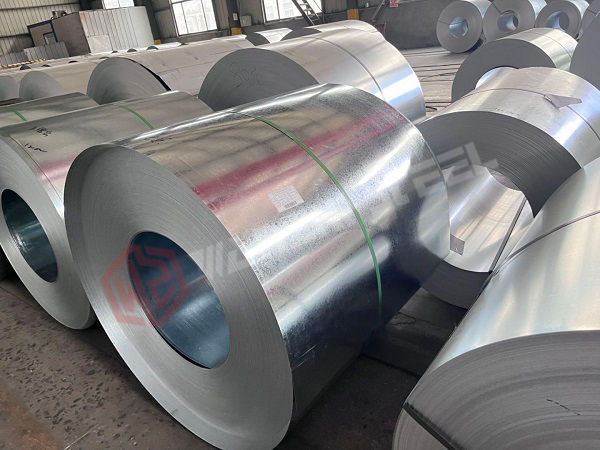
Galvanized Steel Guide: Analysis of key issue CATALOG Definition of Galvanized Steel Galvanized steel is a steel product coated with zinc to prevent corrosion. This treatment combines the strength of steel with the corrosion resistance of zinc, making it one of the most widely used materials in industry today. The Core Value of Galvanizing The core value of galvanizing lies in its sacrificial anodic protection mechanism: when the zinc coating is scratched or damaged, the zinc corrodes before the steel, protecting the underlying metal from damage. The zinc coating on the steel surface acts as both a physical barrier and an electrochemical barrier. On the one hand, it isolates the

Galvanized Steel Guide: Analysis of key issue 続きを読む »

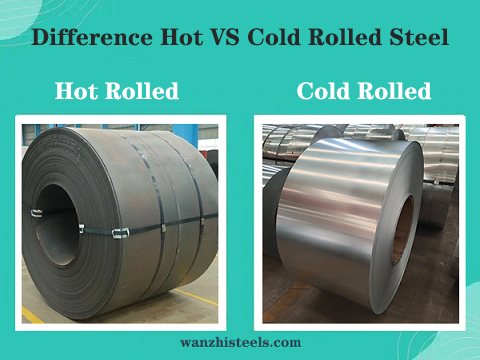
hot and cold rolled steel

Hot and Cold rolled steel

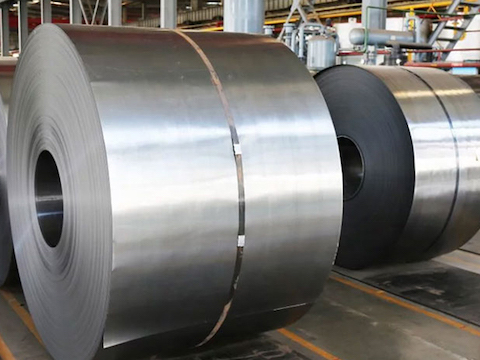
Understand the main differences between hot and cold rolled steel Hot and cold rolled steel are fundamental materials in the metal processing and manufacturing industries. Choosing between them isn’t about which is better, but about selecting the right material for the specific job. Understanding their distinct properties, manufacturing processes, advantages, and limitations is crucial for designers, engineers, and purchasers. The Core Difference lies in when and how the steel is rolled to achieve its final specifications 1. Hot Rolled Steel (HR): Process: Steel is heated significantly above its recrystallization temperature (typically above 1700°F / 925°C) until it glows. It’s then passed through rollers at this high temperature. Result: Easier shaping,

Hot and Cold rolled steel 続きを読む »

188 1810 and 180 Stainless Steel differences advantages and disadvantages

Comparing 18/8 18/10 & 18/0 Stainless Steels

When you buy stainless steel cutlery or pots in the supermarket, you may have seen three different steel labels: 18/8 18/10 & 18/0 stainless steel. It is normal that these numbers are difficult for ordinary people to distinguish the difference, so what makes one stainless steel different from another? Which stainless steel is the best to choose? To quickly understand the differences between the three grades, here is a summary of the chemical composition, advantages and disadvantages of each stainless steel grade. 18/8 18/10 & 18/0 Stainless Steels Comparison Type Composition Pros Cons 18/10 Stainless steel Chromium-18% Nickel-10% Strongest commonlyused grade of stainlesssteel Highly anti-corrosive Resistant to piting Vuinerable tosaltwater

Comparing 18/8 18/10 & 18/0 Stainless Steels 続きを読む »

Stainless steel square steel welding is prone to rust spots

Will stainless steel rust?

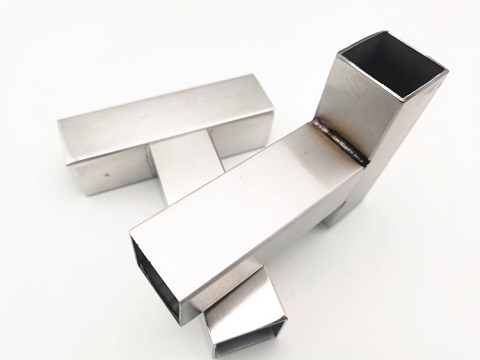
Stainless steel is widely praised for its durability and reputation as “stainless”, but many people still wonder: will stainless steel rust? The answer is under certain conditions. While stainless steel is highly resistant to corrosion, it is not completely immune. Why is stainless steel (mostly) rust-resistant? Stainless steel contains at least 10.5% chromium, which reacts with oxygen to form a thin, invisible, passive layer of chromium oxide on its surface. This chromium oxide layer acts as a barrier, blocking moisture and oxygen from reaching the underlying steel. When the steel is scratched, this chromium oxide layer will usually repair itself in an oxygen-rich environment, keeping the metal protected.However, this passive

Will stainless steel rust? 続きを読む »

AISI 1095 carbon steel - 10 series steel - Hardness can reach HRC 57-60

Is high carbon steel harder or softer

Uncovering the relationship between carbon content and material properties In industrial manufacturing and material selection, the hardness of steel is a key indicator. Many buyers and consumers often ask: “Is high carbon steel harder or softer?” This article will comprehensively answer this question from the perspective of carbon content, steel properties to practical applications, and provide professional advice on purchase and use. How Carbon Content Affects Steel Hardness The hardness of steel is mainly determined by its carbon content. High carbon steel usually refers to alloys with a carbon content of more than 0.6%, between 0.6% and 1.5%. While low carbon steel has a carbon content of less than 0.3%,

Is high carbon steel harder or softer 続きを読む »