
If you are budgeting a job in 2026, the first number you need is the stainless steel price per kg, and the second is the direction it is moving. This guide puts both on the table. In 2026, 304 base product runs about 2.90 to 3.80 USD per kg and 316L runs about 4.00 to 5.00 USD per kg before finish, freight and alloy surcharge. The ss price trend this year has been a slow climb: 304 opened near 2,800 USD per ton and held a 2,800 to 3,200 USD band through the second half, up about 8 percent year over year, while 316 drifted higher on molybdenum cost. Nickel sets most of that move, with Indonesian supply policy and the EU carbon border tax adding layers on top. Read on for the per kg tables, the trend chart, and the buying moves that keep your cost down.
The grade choice drives the price more than anything else, so our 316 vs 304 comparison is worth a read before you budget. For the flat forms behind these numbers, see our 304 stainless steel sheet y 316 stainless steel sheet.
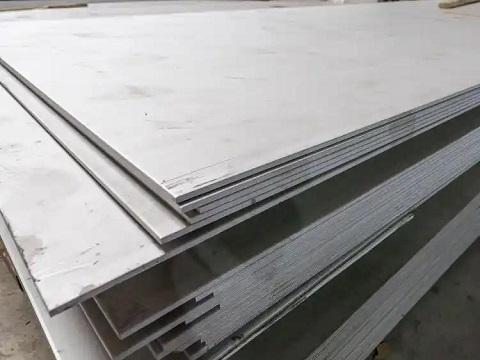
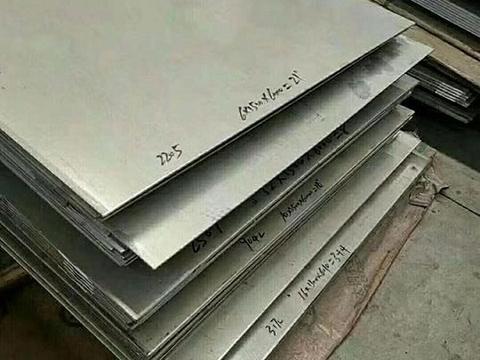
What drives the stainless steel price
Five inputs decide the number on your quote. Get these and you can read any price list.
Nickel is the big one. The 300 series carries 8 to 12 percent nickel, and nickel makes up roughly 35 to 45 percent of 304 production cost. When the LME nickel price moves, 304 moves with it, almost dollar for dollar on the raw material side. Chromium is next at about 18 percent of the mix, and its ferrochrome form has traded firm in 2026 on South African logistics trouble. Molybdenum is the reason 316 costs more: at around 22 USD per pound, the 2 to 3 percent in 316 adds real alloy cost before any processing.
Energy, finish and freight fill the rest. Mills in Asia run coal based power while European mills use low carbon scrap routes, so their cost curves differ. A mirror polish, a custom slit or a long sea voyage each adds to the base. Trade rules like US Section 232 tariffs and the EU carbon border tax (CBAM) can add 40 to 80 USD per ton depending on the route. For the metal basics behind these costs, the Wikipedia stainless steel page is a sound reference.
Stainless steel price per kg in 2026
These are reference ranges for base mill product in 2026, in USD per kg, before surface finish, cutting and delivery. Your actual landed price depends on grade, form, volume and Incoterm.
| Calificación | Typical 2026 price (USD/kg) | What it is for |
|---|---|---|
| 201 | 1.10 – 1.50 | Low nickel, decorative and indoor |
| 304 | 2.90 – 3.80 | The workhorse grade, general use |
| 430 | 1.80 – 2.30 | Ferritic, no nickel, indoor |
| 316L | 4.00 – 5.00 | Chloride and marine service |
| 2205 duplex | 5.50 – 8.00 | High chloride and acid duty |
The 304 band covers both domestic Chinese material, which sits at the low end, and exported sheet quoted FOB at the high end. In the US domestic market, 304 sheet has traded around 1.90 to 1.95 USD per pound through early 2026, which lines up with the upper part of that kg band once you convert. For thick forms, our 304 stainless steel plate y 316 stainless steel plate carry the same grade pricing with weight based cutting.
304 vs 316: the per kg premium
The question every buyer asks is how much more 316 costs. In 2026 the answer is a 30 to 50 percent premium over 304 in most global markets, and the gap can reach near 100 percent in Chinese bulk coil when molybdenum spikes. The reason is simple: 316 adds 2 to 3 percent molybdenum, and molybdenum is a separate, volatile cost that moves on its own, not with nickel.
So a ton of 304 at 3,000 USD becomes roughly 3,900 to 4,500 USD as 316L. On a per kg basis that is about 3.00 USD versus 4.00 to 4.50 USD. The premium is worth it only where salt, seawater or acid is present. For dry indoor and fresh water work, 304 at the lower rate does the same job. Our marine grade stainless steel line is where 316 earns its price.
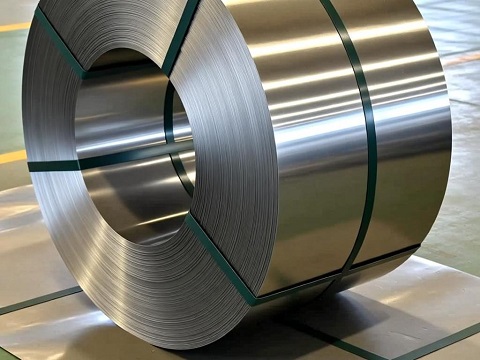
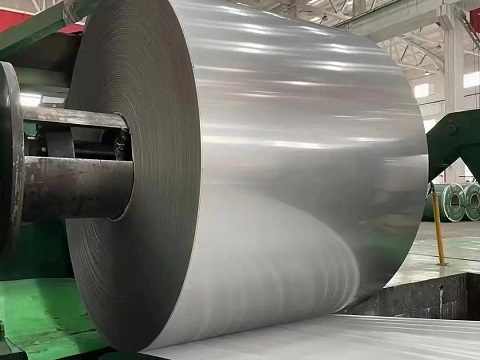
The ss price trend through 2026
The ss price trend this year has been a cost driven climb rather than a demand boom. 304 opened 2026 near 2,800 USD per ton, rose through the first half on tighter Indonesian nickel ore supply, and held a 2,800 to 3,200 USD band into the second half, up about 8 percent from 2025. 316 tracked higher still, with the 304 to 316 spread widening from about 45 percent in early 2025 to about 51 percent by the third quarter of 2026 as molybdenum stayed tight.
Two policy shifts explain the climb. Indonesia, the top nickel supplier, cut its 2026 nickel ore quota to 260 million wet metric tons from about 379 million in 2025 and raised the ore price correction factor, which lifted nickel pig iron costs across the chain. At the same time the EU CBAM entered its charging phase, adding a carbon cost of roughly 40 to 80 USD per ton on Asian exports into Europe. Neither is a demand story, which is why prices have moved in a narrow band instead of a spike. The London Metal Exchange carries the live nickel figures behind these moves.
Regional price differences
Stainless is a global commodity, but where you buy changes the number a lot. China is the price floor, North America and Europe trade at a premium, and tariffs plus energy widen the gap.
| Region | 304 range (USD/ton) | 316 range (USD/ton) |
|---|---|---|
| Northeast Asia (China) | 1,670 – 1,740 | 2,400 – 2,800 |
| Europe | 2,300 – 2,600 | 3,000 – 3,500 |
| North America | 2,880 – 3,050 | 3,800 – 4,200 |
| India | 2,000 – 2,300 | 2,800 – 3,200 |
These are spot reference points, not fixed lists. A buyer in the US paying list price will see a number well above a FOB Shanghai quote, and part of that gap is freight, tariff and energy, not the metal itself. For global supply context, World Stainless publishes industry production and trade figures.
How mills price: base plus alloy surcharge
Most mills do not quote one fixed price. They use a base price plus a monthly alloy surcharge. The base covers energy, labor and margin. The surcharge tracks nickel, chromium and molybdenum indexes and is reset each month, so your quote in March may not hold in June.
You can roughly frame your own cost before asking: material cost equals weight times base price, times a form factor for plate, pipe or bar, plus the current surcharge. A simple rectangular plate in kg is thickness (mm) times width (m) times length (m) times 8.00 for 304 or 8.00 for 316, then multiplied by the per kg rate. The US Geological Survey tracks long run nickel and chromium supply, which is the root of most surcharge moves.
Factors that move the number
Six things shift your quote between orders:
- Nickel price: the main lever, set on the LME and passed through the surcharge.
- Molybdenum price: the lever behind the 316 premium, moving on its own.
- Indonesian supply policy: quota and ore pricing decisions reset the cost floor.
- Energy cost: coal based Asian mills versus scrap based European mills.
- Trade rules: tariffs and CBAM add a fixed layer on cross border buys.
- Order size: contract volumes of 25 tons or more typically price below small lots.
None of these are in your control, but all of them are visible. Watch the nickel and molybdenum lines and you can time a buy.
How to buy at a fair price
You do not have to guess. A few moves cut cost without cutting quality.
Match the grade to the job. Do not buy 316 for a dry indoor rail where 304 lasts as long. Right sizing the grade is usually the largest saving on the sheet. Buy mill or factory direct where you can, since cutting the middle layer often saves 10 to 20 percent on a certified basis. Lock a fixed price during a nickel dip or sign a band based contract so a spike does not blow the budget. Always ask for the mill test certificate and PMI on corrosion grades, because a cheap lot without papers can hide low nickel and fail later.
For the thick forms, our hot rolled stainless steel plate y ASTM A240 certified stainless steel pages show how we certify and price.
Stainless steel vs carbon steel cost
It helps to see stainless next to the cheap alternative. Carbon steel coil runs about 600 to 800 USD per ton, while 304 coil runs 2,800 to 3,500 USD per ton and 316 runs 3,800 to 5,000 USD per ton. Stainless costs several times more because of nickel, chromium and molybdenum, plus cleaner processing and higher energy use.
The payback is life cycle. A carbon part in a coastal or chemical setting rusts and needs replacement, while 304 or 316 stays sound for decades with little upkeep. For most process, marine and food work the stainless premium pays back through avoided downtime and repainting. When the part becomes a vessel, our sister division builds both grades into stainless steel tanks y fermentation tanks.
Common mistakes when budgeting
The first mistake is over specifying. A buyer picks 316 for an indoor handrail, then pays the molybdenum premium for resistance the job never needs. The second is ignoring the surcharge and treating a quote as fixed for the season. The third is buying only on spot price and skipping the certificate, which hides a low nickel heat that will pit. The fourth is mixing units: a per pound US quote and a per kg FOB quote are not the same number, and a direct conversion misses freight and tariff. Read the Incoterm before you compare.
A fifth slip is forgetting finish and cut. A base coil price is not a finished part price. Polishing, slitting and beveling add real cost, so scope the full job before you budget.
How Wanzhi prices and supplies
We have supplied stainless since 2011 from our Zhengzhou base, with ISO 9001, 14001 and 45001 and CE marking. We quote on the same base plus surcharge model the mills use, and we show the alloy breakdown on request so you can see what you pay for. Stock in 304 and 316 ships within about a week; special thickness and finish runs three to five weeks including rolling and certification. Every order leaves with an EN 10204 3.1 mill test certificate, and corrosion grades get PMI before shipment.
Because we carry sheet, plate, pipe, coil and bar across grades, you can source a mixed order from one supplier and keep the paper trail in one file. That helps at audit and on site when the inspector wants the MTC for every heat. Browse the full range on our all products page or the acero inoxidable hub.
Frequently asked questions
What is the stainless steel price per kg in 2026?
For base mill product, 304 runs about 2.90 to 3.80 USD per kg and 316L about 4.00 to 5.00 USD per kg before finish, cutting and freight. Domestic Chinese material sits at the low end and exported sheet at the high end. Always request a current quote for your spec.
Why is 316 more expensive than 304?
316 adds 2 to 3 percent molybdenum, which blocks chloride corrosion but trades at a volatile price of its own. That puts the 316 premium at 30 to 50 percent over 304 in most markets, and near 100 percent in Chinese bulk coil when molybdenum spikes.
What is the ss price trend for 2026?
A slow cost driven climb. 304 held a 2,800 to 3,200 USD per ton band through the second half, up about 8 percent year over year, while 316 drifted higher and the 304 to 316 spread widened to about 51 percent by Q3 2026.
What drives the stainless steel price most?
Nickel. The 300 series carries 8 to 12 percent nickel, which is roughly 35 to 45 percent of 304 cost, so LME nickel moves pass through almost dollar for dollar. Molybdenum drives the 316 part, and Indonesian supply policy plus the EU carbon border tax add further layers.
Is stainless steel cheaper in China?
Yes, China is the global price floor because of scale and coal based energy. Northeast Asian 304 runs about 1,670 to 1,740 USD per ton against 2,880 to 3,050 in North America. The gap includes freight, tariff and energy, not just the metal.
How do mills set the price?
Most use a base price plus a monthly alloy surcharge. The base covers energy, labor and margin; the surcharge tracks nickel, chromium and molybdenum indexes and resets each month, so a quote is not fixed for the season.
How can I lower my stainless steel cost?
Match the grade to the job, buy mill or factory direct, lock a fixed or band based price during a nickel dip, and verify the mill test certificate. Right sizing 304 versus 316 is usually the largest single saving.
Does the price include cutting and finish?
Usually not. A base coil or plate price excludes polishing, slitting, beveling and delivery. Scope the full finished part, including surface finish from our surface finish guide, before you budget.
Related products
- 304 Stainless Steel Plate – the lower cost plate for indoor work
- 316 Stainless Steel Plate – the chloride resistant plate
- 304 Stainless Steel Sheet – the workhorse thin form
- 316 Stainless Steel Sheet – the marine grade thin form
- Marine Grade Stainless Steel Sheet – the chloride resistant line
- Hot Rolled Stainless Steel Plate – the full thick form range
- ASTM A240 Certified Stainless Steel Sheet – MTC and certification details
- Stainless Steel Surface Finish Guide – 2B, No.4 and BA explained
- 316 vs 304 Stainless Steel – the full grade comparison
- Stainless Steel Tanks – finished equipment built from our plate
Contacto
Tell us the grade, form, size and finish you need, and we will quote on the current base plus surcharge with the alloy breakdown shown. For contract volumes we can lock a band based price so a nickel spike stays inside your budget. Reach the Wanzhi team at our Zhengzhou office or through the form on the product pages above.
Email: [email protected]
WhatsApp: +86 18736065220
Compañía: distrito, ciudad de Zhengzhou, provincia, China
Fábrica: Binzhou City, Shandong Province, China
 English
  Русский
  العربية
  Español
  Français
  فارسی
فارسی  繁體中文
繁體中文  O‘zbekcha
  Tiếng Việt
  Українська
  Türkçe
  ไทย
ไทย  日本語
日本語  한국어
한국어  简体中文
简体中文