
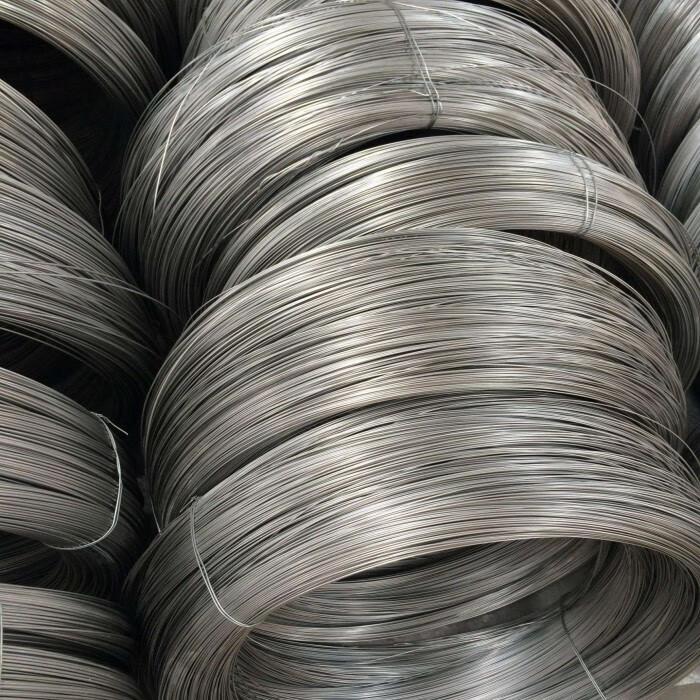
Stainless Steel Wire
Diameter: 0.1mm – 12mm
Grade: 302, 304/304L, 316/316L, 321, 410, 430, etc.
Surface treatment: Bright, Annealed, Pickled and passivated, Polished, etc.
What is stainless steel wire?
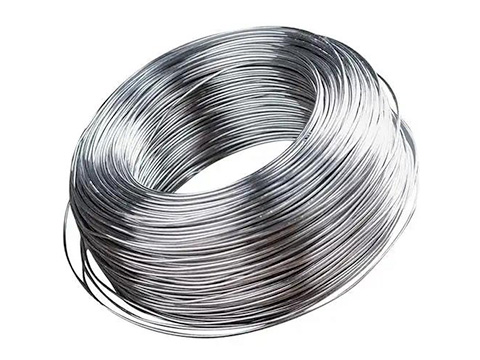
Stainless steel wire is a long, flexible length of steel drawn through a die to reach its final diameter. It starts as hot rolled rod, passes through a series of drawing dies, and picks up cold work along the way. That cold work is the reason one alloy can finish soft enough to weave or stiff enough for a compression spring.
The alloy is the one you already know from sheet and pipe. Chromium gives the corrosion resistance. Nickel, molybdenum, and carbon decide how the wire behaves under tension, at temperature, and around chemicals. Buyers pick stainless wire when a part has to hold its shape under load, survive repeated bending, or resist rust in wet service where carbon or galvanized wire will not last.
Wire versus rod: both are solid round sections. Wire is the smaller, coiled product. Rod is larger and ships straight. If your part gets formed, woven, or coiled after purchase, you are buying wire. If it gets machined, you are shopping in bar and rod.
Wire size and weight reference
Common stock diameters run from 0.1 mm for fine mesh weaving up to 12 mm for heavy pins and formed parts. Heavier sizes to 25 mm are made to order, though at that point you are into rod territory.
| Diameter | Weight per 100 m | Typical use |
|---|---|---|
| 0.1 mm | 6 g | Fine woven mesh |
| 0.2 mm | 25 g | Filter cloth |
| 0.3 mm | 56 g | Fine sieves and screens |
| 0.5 mm | 156 g | Mesh, small springs |
| 0.8 mm | 0.4 kg | Springs, wire forms |
| 1.0 mm | 0.62 kg | Springs, weaving |
| 1.2 mm | 0.9 kg | Springs, fasteners |
| 1.5 mm | 1.4 kg | Springs, clips |
| 2.0 mm | 2.5 kg | Springs, mesh, hooks |
| 2.5 mm | 3.9 kg | Formed parts, cable |
| 3.0 mm | 5.6 kg | Springs, pins |
| 4.0 mm | 10.0 kg | Formed parts, cut lengths |
| 5.0 mm | 15.6 kg | Pins, straightened cut wire |
| 6.0 mm | 22.4 kg | Pins, rod stock |
| 8.0 mm | 39.9 kg | Heavy formed parts |
| 10.0 mm | 62.3 kg | Rod stock |
For a quick estimate, the theoretical weight in kg per 100 m is the diameter in mm squared, times 0.623 for austenitic grades. Ferritic grades like 430 run about 3 percent lighter. Your coil label will show actual weight, because drawing tolerance and the winding pattern both nudge the number.
If you work in AWG, a rough conversion: 18 AWG is about 1 mm, 12 AWG about 2 mm, and 6 AWG about 4 mm.
Grades we supply
| Calificación | Family | Best for | Not the best call for |
|---|---|---|---|
| 302 | Austenitic spring wire | Springs, clips, pins | Parts that will be welded later |
| 304 | Austenitic, the default | Mesh, weaving, general forming | Coastal or chemical service |
| 304L | Austenitic, low carbon | Welded assemblies, food plant | Sustained high temperature, use 321 |
| 316 / 316L | Austenitic with molybdenum | Marine, chemical, pharma, desalination | Warm stagnant seawater, use 317L or duplex |
| 317L | Austenitic, higher molybdenum | Aggressive acid service, sulfuric, phosphoric | General service, it is over-spec |
| 321 | Austenitic, titanium stabilized | Exhaust springs, high temperature parts | Room temperature general use, 304 is cheaper |
| 310S | Austenitic, high Cr and Ni | Furnace parts, heat treat baskets | Routine mechanical parts |
| 430 | Ferritic, no nickel | Indoor trim, decorative, magnetic uses | Wet or outdoor service |
| 410 | Martensitic | Hard springs, valve stems, shafts | Corrosive environments |
| 17-7 PH | Precipitation hardening | High strength springs, aerospace, medical | General use, the cost is not justified |
302 is the traditional spring wire grade in the US. It work-hardens well and holds a set. 304 is the all-purpose alloy you see in mesh and general fabrication. 316 adds molybdenum and is the one to spec near the coast or in chemical service. 17-7 PH is the specialty call when you need very high strength in a thin section, such as a precision spring or a medical device part.
One note on the L grades: if the part gets welded and then lives in a corrosive line, order 304L or 316L. The low carbon keeps the weld zone from sensitizing.
Wire temper and hardness
Temper is the variable buyers miss most. Same grade, same diameter, different temper, and you get a completely different part. Wire picks up cold work at every drawing pass, and the mill decides how much to leave in.
| Temper | Typical use | Strength | Formability |
|---|---|---|---|
| Annealed (soft) | Deep drawing, mesh weaving, post-purchase forming | Low | Excellent |
| Quarter and half hard | Clips, light springs, light forming | Medium | Good |
| Three-quarter hard | Compression and torsion springs | High | Limited |
| Full hard | High stress precision springs | Very high | Poor |
Annealed wire is soft and forgiving. Buy it when the part gets its shape after purchase or when you are weaving mesh. Half hard is the middle ground for clips and light springs. Three-quarter and full hard are for springs where the coiler does the last forming and the wire is the finished part. After coiling a hard temper, a stress-relief heat treatment (375 to 425°C) removes the residual stress; check what your drawing calls for.
Standard forms
- Coil: the standard supply form, wound onto spools or as a bulk coil for feeding spring compilers, wire formers, and welding heads. Coil weights run from a few kilos on small spools to several hundred kilos bulk.
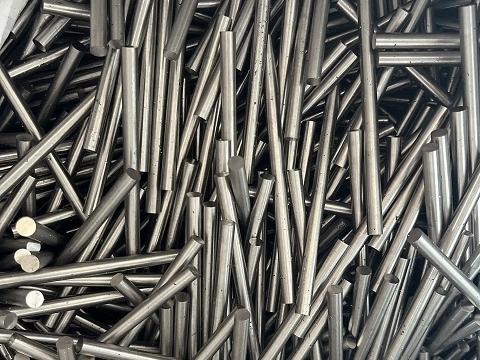
- Straight cut: cut to length for pins, rod stock, and lines that cannot take coil feed.
- Wire rope: strands of wire twisted together for lifting, rigging, and cable.
- Mesh: woven from wire into filters, sieves, guards, and architectural screens. See our stainless steel wire mesh page for those options.
Coil is the default unless your process needs straight stock. If you are not sure which form fits, tell us the application and we will recommend the coil size and temper.
Surface finishes
The finish decides how the wire feeds, how it looks, and in some jobs how it performs.
- Bright (soap drawn): the standard spring wire finish. Smooth, clean, consistent diameter.
- Annealed (black): carries the oxide film from the annealing furnace. You want this when the wire gets cleaned, redrawn, or formed before use.
- Pickled and passivated: acid cleaned. The call for welding wire and sanitary work.
- Polished: burnished for visible parts and medical devices.
- Coated: PVC or nylon jacket for cable rail, hangers, and wire that sits against other metals.
For food, medical, and architectural work, bright or polished is the usual answer. Coated wire saves you the job of isolating the wire from aluminium and carbon steel contact.
Advantages of stainless steel wire
- Corrosion resistance without paint or coating in most environments
- High strength to weight, especially in spring tempers
- Good fatigue life, which is why springs are the default use
- A clean surface that resists biofilm in food and pharma lines
- Long service life with little maintenance
- Weldable with ordinary TIG and MIG equipment in the austenitic grades
- Fully recyclable at end of life
Where stainless steel wire is used
| Sector | Typical parts | Common grade |
|---|---|---|
| Springs | Compression, torsion, extension springs | 302, 316, 17-7 PH |
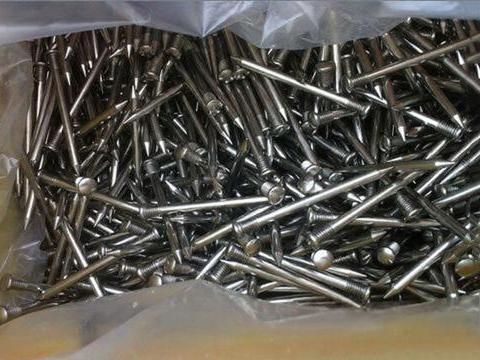
| Fasteners | Bolts, screws, rivets, pins | 304, 316, 410 |
| Mesh and filtration | Sieves, filters, guards, screens | 304, 316 |
| Arquitectónico | Railing cable, mesh panels, facades | 316, 304 |
| Automotive | Exhaust hangers, fuel lines, sensors | 321, 430 |
| Medical | Implants, surgical tools, devices | 316L, 17-7 PH |
| Industrial | Conveyor belts, retainers, hooks | 304, 316 |
| Energy | Cable tray, restraint, anchor | 304, 316 |
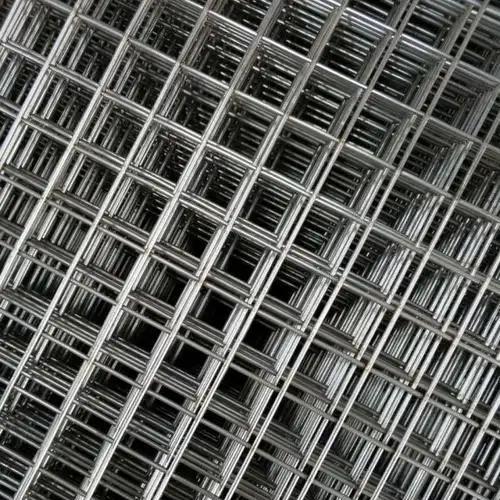
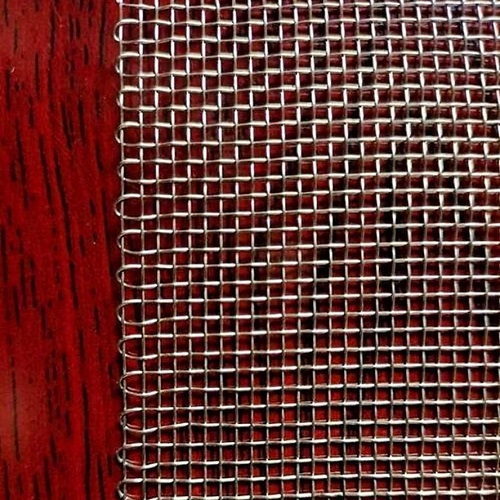
One practical note on mesh: if you are buying wire to weave your own mesh, you will want annealed or half-hard temper for formability. If you need the finished mesh, that is a different product and we quote it separately. See our stainless steel wire mesh page for woven and welded options.
Why Choose Wanzhi Group
We supply the steel and our sister company builds the equipment, so the wire you buy is the same material our tank division fabricates. That traceability matters on the day a spec fails and someone asks where the heat came from. We stock 302, 304, 304L, 316L, 321, 430, and 17-7 PH in common sizes, cut and process to order, and ship against EN 10204 3.1 mill certificates with PMI verification available.
If you already buy cold rolled stainless sheet, hot rolled plate, or 304, 316, and 430 sheet from us, the wire comes out of the same mill relationships. The full catalogue is on the all products page and in the stainless steel category.
Our Certificates
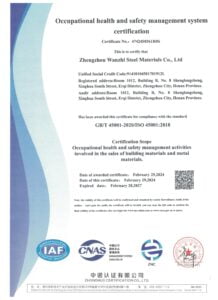

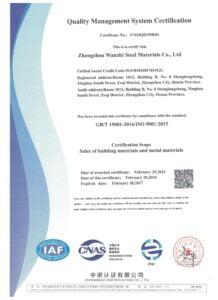

Customer Affirmation

Frequently asked questions
Contacto
Compañíadistrito, ciudad de Zhengzhou, provincia, China
FábricaCiudad de Binzhou, provincia de Shandong, ChinaArtículo de lista
E-mail: [email protected]
WhatsApp: +86 18736065220
Website: https://wanzhisteels.com

Etiquetas populares: ss wire, Acero inoxidable wire rope, 304 stainless wire, 316 stainless wire, spring stainless steel wire, stainless wire mesh, manufacturers, suppliers, factory, price


 English
  Русский
  العربية
  Español
  Français
  فارسی
فارسی  繁體中文
繁體中文  O‘zbekcha
  Tiếng Việt
  Українська
  Türkçe
  ไทย
ไทย  日本語
日本語  한국어
한국어  简体中文
简体中文